 E-Paper
 Sign In




Sharjah seeks UNESCO heritage status for Al Hisn Fort in Dibba
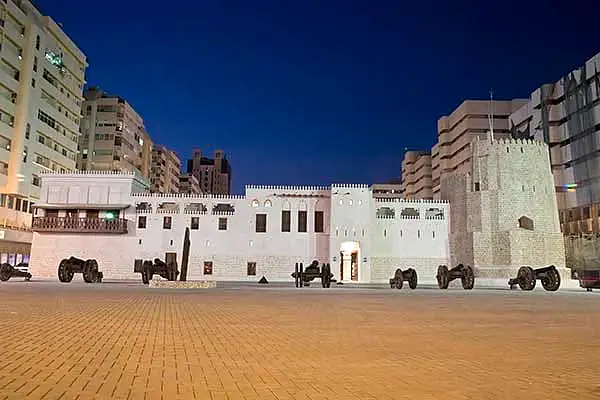
Sharjah Ruler announced fast-track restoration of the fort to protect historical, cultural, and human heritage, and to enhancing the status of archaeological sites in the emirate
- PUBLISHED: Mon 25 Aug 2025, 9:35 PM
- By:
- WAM


Sharjah is seeking to register Al Hisn Fort in Dibba with UNESCO as a heritage site following the completion of its development project. This was announced by Sheikh Dr Sultan bin Mohammed Al Qasimi, Member of the Supreme Council and Ruler of Sharjah, on Monday evening during the daily call-in programme 'Al Khat Al Mubasher (Direct Line).
This move reflects the emirate’s commitment to protecting historical, cultural, and human heritage, as well as enhancing the status of archaeological sites that help reshape the features of early human history.
Recommended For You


Sheikh Dr Sultan said: “We are informing the residents of Dibba Al-Hisn that work is underway at full speed to complete the development project of Al Hisn Fort, in order to register it with UNESCO as a heritage site linked to the city of Dibba Al-Hisn. The site contains historical artefacts from three eras: the Hellenistic period, followed by the Portuguese era, and then the Qawasim period.
Stay up to date with the latest news. Follow KT on WhatsApp Channels.
"We have inquired about the possibility of registering the site on the UNESCO World Heritage List and were pleased to learn that it is eligible. This comes within Sharjah’s commitment to protecting historical, cultural, and human heritage, and to enhancing the status of archaeological sites that contribute to reshaping early human history.”
He added: “The Al Hisn Fort building in Dibba consists of three floors stacked on top of each other, which are difficult to separate. Each floor represents an archaeological site from a different era. We have gathered all the artefacts present in this area, whether from the Hellenistic, Portuguese, or Qawasim periods, and preserved them within the fort. These floors are covered by a large, beautifully designed network that acts as a canopy to protect visitors from the sun’s heat and to safeguard the artefacts from rain.”
He concluded: “Dibba Al Hisn also includes a square-shaped historical fort, which is currently being restored to serve as a visitable heritage site. The area also contains markets and many services, and behind it are traditional houses that we are preserving. These contribute to the value of Dibba Al-Hisn with its heritage and archaeological treasures. We want to tell the residents of Dibba Al Hisn: ‘Please be patient.’ The work is being carried out carefully, and people will benefit from this project, God willing, and will see their country in its historic form.”