 E-Paper
 Sign In




School Books in Classrooms: Why the Original Resources Matter
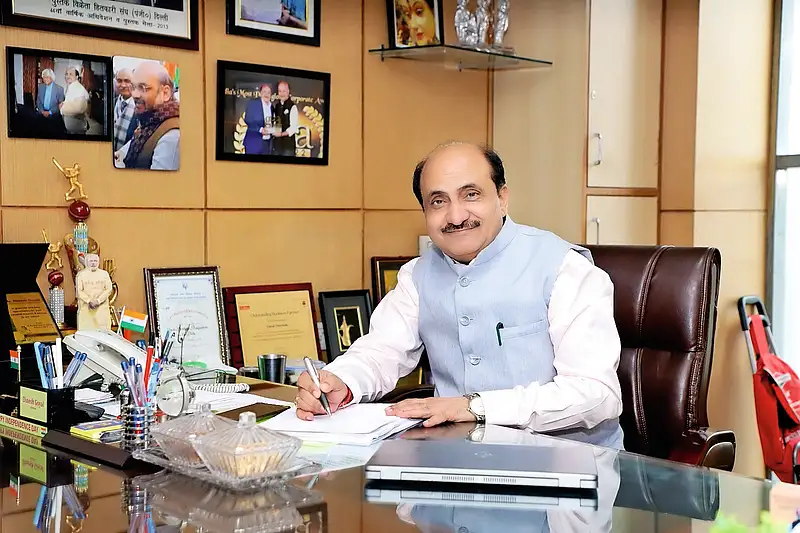
Greater awareness around verified educational resources is helping strengthen consistency, trust, and learning outcomes across the UAE education ecosystem
- PUBLISHED: Wed 15 Apr 2026, 2:15 PM
- By:
- Dinesh Goyal


As the UAE prepares to welcome the new academic year 2026–27, an important aspect gaining attention across the academic ecosystem is the need for greater awareness around the availability and use of accurate educational materials. While the start of the school year brings excitement and new beginnings, ensuring that every child begins with the correct academic foundation plays a key role in maintaining consistency and quality in education.
One of the most essential, yet sometimes overlooked, aspects of this preparation is access to accurate and prescribed educational materials.
Recommended For You


The Importance of Getting it Right from Day One
At the beginning of each academic year, families purchase textbooks, notebooks, and other learning resources based on school requirements. However, even small discrepancies, such as different editions, older versions, or incomplete materials can create confusion in the classroom and affect instructional continuity.
Students may find it harder to follow lessons, while teachers are required to manage variations across different versions of the same subject. Across multiple schools, educators have observed instances where students come to class with varying editions, leading to minor disruptions in lesson flow and additional instructional time being spent on alignment.
In structured curricula, where sequencing and consistency are important, the use of the correct materials directly supports a student’s academic progress. Ensuring that books match prescribed ISBNs and editions is therefore key to enabling effective and uninterrupted learning.
Raising Awareness around Verified Materials
In recent times, stakeholders across the UAE education ecosystem have noted an increased presence of non-standard or unverified educational materials in the market. These may include reproduced or alternative versions of textbooks that circulate through informal channels.
In some cases, such materials are made available at lower prices, which can make it challenging for parents to easily identify the correct editions recommended by schools.
These materials can sometimes differ in completeness, print quality, or alignment with the curriculum prescribed by schools. In certain instances, sections may be missing or presented differently, which can impact clarity and consistency in classroom teaching.
Educational advisories, including those issued by the Central Board of Secondary Education, Regional Office UAE (dated April 6, 2026), have also drawn attention to this area and encouraged greater vigilance across stakeholders. Such advisories highlight the importance of ensuring alignment with prescribed materials, as this supports both academic consistency and regulatory compliance within the education system. This is not simply a commercial consideration, it is an academic and systemic one. The use of verified materials supports the integrity of the learning process, strengthens standardisation within classrooms, and ensures a more consistent academic experience among students. When addressed proactively, it helps reinforce the reliability of structured curricula across institutions. It also reflects the values of originality, fairness, and respect for intellectual property that education seeks to instill in students.
A Shared Responsibility
Addressing this effectively requires a collaborative and accountable approach from all stakeholders.
Parents can play a key role by exercising due diligence at the time of purchase. Procuring books through school-recommended or authorised channels, verifying ISBN numbers, and ensuring completeness of materials helps ensure that children receive accurate and reliable resources.
Schools can further support this by ensuring clear communication of prescribed materials and maintaining consistency in what is used within classrooms. Standardising communication through official channels and reinforcing adherence to curricula helps maintain fairness across all students.
Educators also play an important role in guiding students and parents toward the correct resources and reinforcing awareness within the classroom.
Ensuring uniformity of learning materials is not only important for academic consistency but also contributes to fairness across all students within the same classroom. Such principles play an important role in supporting consistency within the education ecosystem and reinforcing trust among schools and families.
The Role of CAPEXIL and Global Academic Responsibility
As part of a broader institutional framework, CAPEXIL (under the Ministry of Commerce & Industry, Government of India) plays a significant role in supporting the global distribution of educational materials and ensuring that Indian publications reach international markets in a structured, compliant, and quality-assured manner.
Through its Books, Publications & Printing Panel, CAPEXIL actively works towards promoting the welfare of the education ecosystem by safeguarding the authenticity and integrity of academic materials supplied to schools worldwide. This includes a strong focus on ensuring that schools affiliated with Indian curricula, particularly those following frameworks of bodies such as the Central Board of Secondary Education and NCERT, receive only prescribed and authorised editions.
In my capacity as Chairperson of this panel, I have been closely engaged in addressing challenges related to the circulation of unauthorised educational materials in international markets, including the Middle East.My efforts have been directed towards strengthening supply frameworks, increasing awareness among stakeholders, and ensuring that schools and students are protected from the risks associated with counterfeit or non-compliant academic content.
A Matter of Institutional and International Significance
The issue of unauthorised and counterfeit educational materials extends beyond classroom-level challenges. Schools in the UAE that follow Indian curricula are part of a larger academic ecosystem connected to Indian educational boards, and the use of incorrect or unauthorised materials can directly affect the credibility and standardisation of these institutions.
Moreover, the continued circulation of such materials has broader implications for the reputation of Indian education systems globally. In a region like the UAE, where educational collaboration between India and the UAE is strong and continuously evolving, maintaining the integrity of academic content is critical to preserving trust and ensuring long-term alignment between institutions.
This is therefore not only an academic concern, but also one of institutional, regulatory, and international importance. It is imperative that schools, parents, and all stakeholders take immediate note of this issue and act responsibly to ensure that only authentic and prescribed materials are used within the education system.
Conclusion
The beginning of a new academic year is a shared responsibility across the entire education ecosystem. Ensuring the use of correct and verified learning materials plays a vital role in maintaining academic integrity, standardisation, and fairness across institutions.
All stakeholders — parents, schools, educators, and suppliers have an important role to play in encouraging the use of accurate and prescribed materials.
Ensuring that every child starts the year with the right resources is not just about preparedness, it is about fostering consistency, clarity, and confidence in their learning journey from the very first day.
— Dinesh Goyal is the Managing Director of Goyal Books GCC and Chairperson – Books, Publications & Printing Panel at CAPEXIL (Ministry of Commerce & Industry, India).