 E-Paper
 Sign In





IMF expects more investment in redundancies as oil exporters seek Hormuz alternatives
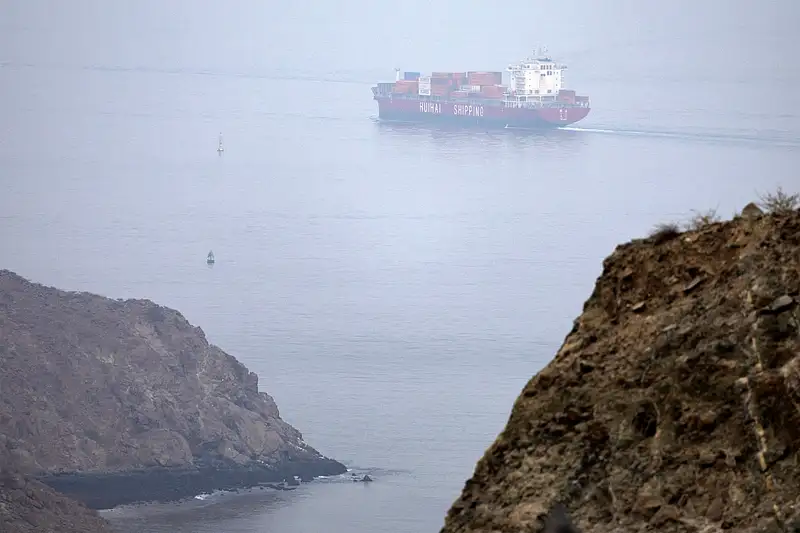
The closure of the Strait of Hormuz, a critical global shipping route, has disrupted oil and gas supplies, raising energy prices and increasing shipping costs worldwide
- PUBLISHED: Thu 22 Oct 2026, 12:05 PM


[Editor's Note: Follow Khaleej Times live blog for the latest regional developments on the US-Iran war that started on February 28]
Countries in the Middle East and North Africa (Mena) region will see new patterns of connectivity as oil-exporting countries look for alternative trade routes to bypass the Strait of Hormuz, the International Monetary Fund expects.
Recommended For You





Depending on how the regional situation unfolds, i.e. if it stabilises, oil-exporting countries are expected to build new pipelines in the Mediterranean or connect through existing pipelines, Jihad Azour, IMF’s director of the Middle East and Central Asia, said.
“The trends are we will see more investment in redundancies. I think several countries have already accelerated the pace of the investment. We will see maybe new patterns of connectivity between countries,” he told reporters after a media briefing on Thursday.
Stay up to date with the latest news. Follow KT on WhatsApp Channels.
This follows comments by HSBC’s chief executive officer, Georges Elhedery, who said that the Strait of Hormuz will be redundant in the next five years due to Gulf countries diversifying their export routes.
The closure of the Strait of Hormuz, a critical global shipping route, has disrupted oil and gas supplies, raising energy prices and increasing shipping costs worldwide. The narrow waterway connects the Gulf to international markets, carrying a significant share of global oil exports and liquefied natural gas shipments.
Restrictions on passage have forced oil-exporting countries to explore alternative routes, including pipelines connecting to ports outside the Gulf. The disruption has also affected trade, increased insurance premiums for vessels and heightened uncertainty in global markets. Prolonged closure could fuel inflation, slow economic growth and intensify pressure on energy-importing countries.
UAE economy to grow next year
The IMF forecast that the UAE’s economy will grow 7.7 per cent in 2027, recovering after a slowdown due to the regional conflict and ongoing tensions. The country’s real gross domestic product (GDP) will contract by 3.9 per cent this year before accelerating next year, it said in its World Economic Outlook report, released last week.
Similarly, the UAE’s Minister of Economy and Tourism, Abdulla Bin Touq Al Marri, said previously that the economy will see a “counter-attack year” in 2027, with a strong rebound expected.
The IMF revised its economic projections for the region following ongoing attacks in the Strait of Hormuz, which led to a drop in economic activity, Azour said.
IMF regional forecast
For the wider Middle East and Central Asia region, the IMF forecasts GDP growth of 6.3 per cent in 2027, following a 0.3 per cent contraction this year and growth of 3.7 per cent in 2025. Among oil exporters as a group, growth is projected to jump to 7.4 per cent next year, from a 3.8 per cent contraction in 2026.


Hind Aldah is a business reporter based in Sharjah. In her spare time, you will find her playing classical guitar, painting amateur oil paintings, or crocheting the same old scarf that leads nowhere.