 E-Paper
 Sign In


Love finds a way: How couples adapt to wedding plans amid regional conflict
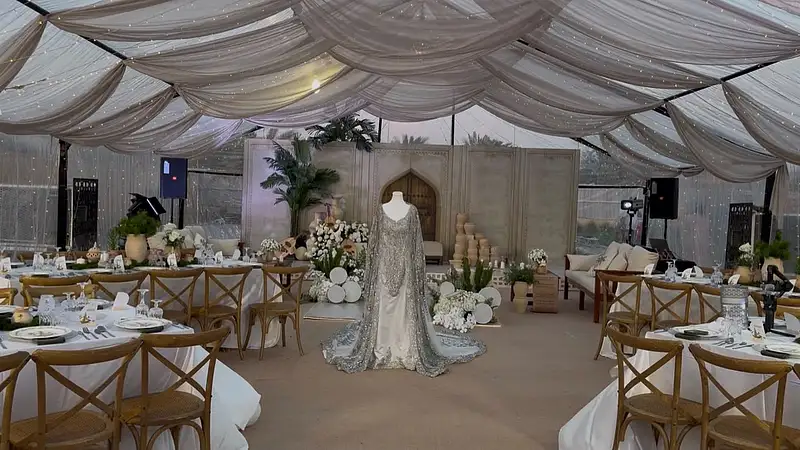
From cutting celebrations, cancelling henna nights to postponing weddings altogether, rising costs and regional uncertainty have changed plans for their big day
- PUBLISHED: Tue 29 Sept 2026, 6:00 AM


[Editor's Note: Follow Khaleej Times live blog for the latest regional developments in the US-Israel-Iran war.]
For many couples, planning a wedding means choosing a venue, preparing a guest list and deciding how they want to celebrate. But for some brides this year, war in the region has added another question: Can the wedding still go ahead as planned?
Recommended For You



For Emirati bride Sally, the answer was yes, but with changes. She told Khaleej Times that rising prices forced her and her fiancé to look more carefully at what they could afford.
“The war affected us mainly in terms of prices. The price of gold increased significantly, and gold is an essential part of bridal preparations in our culture, so our choices became more limited,” she said.
The couple also faced higher costs and delivery delays, which Sally linked to disruption around the Strait of Hormuz.
Stay up to date with the latest news. Follow KT on WhatsApp channels.
Instead of postponing their marriage, they decided to reduce some of the celebrations around it.
“Because of the current circumstances and the significant increase in prices, we decided to cancel the henna night and the bachelor and bachelorette celebrations,” Sally said, adding: “We chose to focus on the wedding itself and make the most of it within our budget
The pressure on wedding spending comes during a year in which the UAE's gold jewellery market has already felt the effects of regional conflict. Gold jewellery demand fell 40 per cent in the first quarter of 2026 compared with the same period last year, according to World Gold Council data.
A wedding postponed
For Syrian bride Tala, the war did not just change the size of the celebration. It changed the date.
She and her Lebanese fiancé had planned to marry in Lebanon in August 2026, but decided to postpone the wedding until next year.
“We both thought it wasn’t right or ideal to move forward with it due to the circumstances that were happening in the region, so we postponed it until next year,” she told Khaleej Times.
Now, even the wedding they are planning for next year may look different. The couple had originally hoped for a large celebration in Lebanon, with guests travelling from different parts of the world.
“We originally planned to have a bigger wedding with people from around the world, and now we might make it smaller and more concise since we are sure many people would not want to actually come to Lebanon,” Tala said.
Another soon-to-be wed couple noted travel to Lebanon has remained affected by uncertainty in the region, with security concerns and the possibility of flight disruption influencing travel decisions this year.
For Sally, the wedding is still going ahead, but with fewer celebrations. For Tala, it means waiting another year and possibly celebrating with fewer guests. Different decisions, but both show how a conflict can reach far beyond the battlefield, changing even the most personal plans.