 E-Paper
 Sign In





Commentary: Between two US Congresses—nine weeks that matter for Hormuz
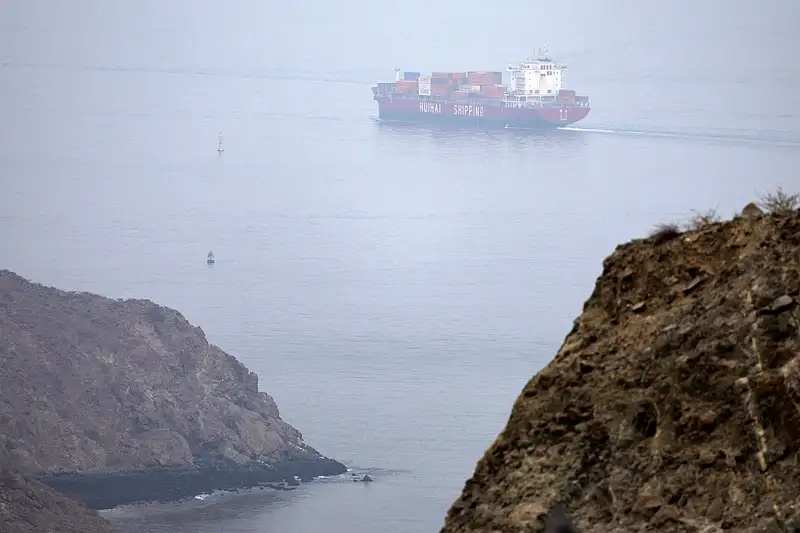
Iran must halt attacks on commercial shipping and stop laying mines in the strait, while Washington must commit publicly to no new strikes on Iranian territory
- PUBLISHED: Mon 2 Nov 2026, 11:59 AM
- By:
- Imran Khalid |


The author is a geostrategic analyst and senior fellow at Foreign Policy In Focus - USA. His work centres on international affairs and global security.
Oman’s maritime security centre pulled 25 sailors off the burning merchant ship RITI near Musandam last week. Across the same water, Iran’s Revolutionary Guards said four tankers had been hit by mines while using what Tehran calls an unauthorised route. Before February, about 20 million barrels of oil moved through the Strait of Hormuz daily. Now a neighbour’s coastguard evacuates the crews.
Recommended For You




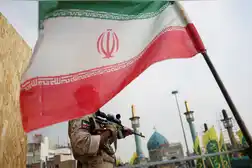
In terms of lost shipping, October was the worst month of the war at sea. By October 27, at least 30 vessels had been hit, double September’s count of 15, according to International Maritime Organisation data, with at least 16 seafarers injured. Yet crude exports through the strait averaged nearly 11.1 million barrels a day, only about 2 per cent below September, Kpler’s figures show.
Shippers have built a shuttle system and are leaning on American air cover to keep moving. The ships keep sailing. But so does the risk.
Stay up to date with the latest news. Follow KT on WhatsApp Channels.
In Washington, the received wisdom is that Tuesday’s midterms will decide the war’s fate. Democrats lead the generic ballot by 51.4 to 43.2 per cent on RealClearPolling, and Nate Silver’s forecast gives them a 95 per cent chance of taking the House.
Senator Chris Murphy, the Connecticut Democrat who has pressed Congress to reclaim its war powers, told the Middle East Institute that if his party wins both chambers, “it is because people believe that by electing Democrats, they are going to end the war.”
He may well be right about the voters. But he has the calendar wrong. The new Congress does not take its seats until January 3. Between Wednesday morning and that date lie roughly nine weeks in which the old Republican majority still holds every gavel, and a president who will never face another ballot no longer has to worry about the price of petrol in Ohio before an election. Voters will have spoken. Congress will not yet have changed.
President Donald Trump set that clock himself. In early October, he pledged that US would not attack Iran “at any time prior to the midterm elections.”
Washington has, in effect, tied its restraint to the electoral calendar, with the midterm vote taking place on Tuesday. The transition period before the new Congress takes office, however, raises several important considerations.
First, the power of the purse, which Democrats say they could use to constrain the administration, takes time to translate into action. A war powers resolution already passed both chambers in June, but the administration dismissed it, arguing that the 1973 law is unconstitutional. Trump would likely veto any new resolution, while Congress has yet to test in court whether it can sue to enforce a war powers vote. A Democratic majority in January could provide greater oversight and leverage, but its ability to influence events in the immediate aftermath of the election may be limited.
Second, the electoral cost of escalation disappears with the count. All autumn, the political case for holding fire in Washington rested on pump prices and swing districts. Once the results are in, that cost is spent, whichever way they fall. An administration facing a hostile Congress in January may find escalation cheaper in November than it was a week earlier.
Third, Tehran reads the same calendar. Ship attacks doubled in the month before the vote. Two governments are now timing their moves to an American date.
Here are the facts: Brent rose above $116 a barrel after a refinery in Saudi Arabia was attacked, and Super 98 in the UAE went from Dh3.80 a litre in September to Dh4.40 in October. Shipping insurers, airlines, and every family that fills a tank between Dubai and Manila are paying for a war whose next phase is being scheduled around a vote in Michigan and Kansas.
The region, however, is not without cards. Qatari mediators returned to Tehran on Friday to push for a deal. Oman runs rescues in the strait it shares with Iran. The UAE has shown that small, verified deals between enemies can hold: its mediation between Moscow and Kyiv had freed 6,305 captives across 21 rounds by April. Vice President JD Vance has been seeking to reopen talks with Tehran. The diplomatic channels exist.
There must be a freeze in conflicts. Gulf mediators should put a single, narrow bargain to both sides: Iran halts attacks on commercial shipping and stops laying mines in the strait, and Washington commits publicly to no new strikes on Iranian territory while the freeze holds.
Qatar, Oman and the UAE, which have built a track record of verified exchanges, would monitor compliance. The freeze would run 61 days, from Election Day to January 3. It would not touch the nuclear file, sanctions, or Lebanon. Its only job would be to carry the region safely to the day a different Congress sits.
The obvious objection is that a Democratic Congress may achieve little even after January. Most legislation still needs 60 votes in the Senate, a veto awaits any war powers measure, and appropriations fights drag on. All true. That weakness is the argument for acting now rather than waiting for Washington to restrain itself.
A freeze built by the region does not depend on who wins Michigan. Gulf governments have spent eight months absorbing the costs of a war fought on their doorstep. They have kept crude moving through the strait at close to September’s pace through the worst month of attacks, and pulled strangers’ crews out of the water. If a freeze is in place when the new Congress convenes, the war’s next round will be fought in committee rooms in Washington.