 E-Paper
 Sign In


Child marriage in Gaza rises 123% as war pushes families into desperate choices
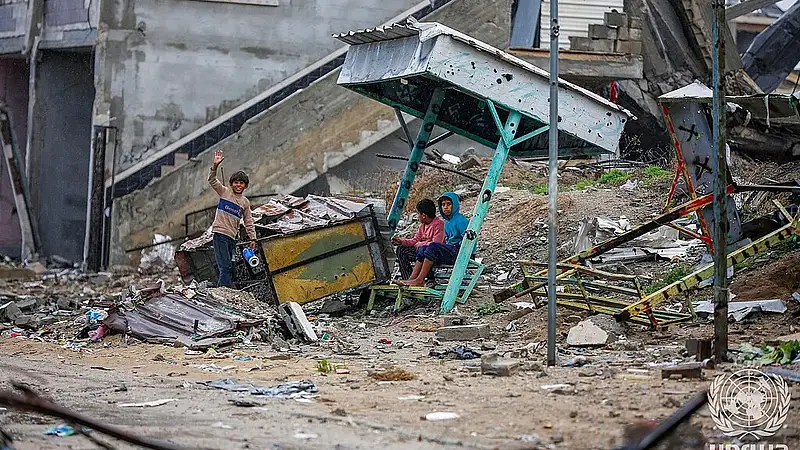
Hunger, poverty, displacement and school closures are pushing more families towards early marriage, with hundreds of girls as young as 14 receiving marriage permissions
- PUBLISHED: Tue 29 Sept 2026, 6:00 AM UPDATED: Tue 6 Oct 2026, 10:50 AM


Girls as young as 14 are being married in Gaza as families struggle with hunger, displacement and the loss of income after years of war. New figures from the United Nations Population Fund (UNFPA) show that reported forced and child marriages increased by 123 per cent between January and June 2026.
Behind that figure are families facing increasingly difficult choices. UNFPA says poverty, hunger, school closures and the loss of income are among the pressures driving the rise.
Recommended For You





For some families living in overcrowded shelters or struggling to meet basic needs, marriage is being seen as a way to ease financial pressure or protect girls amid growing insecurity.
Stay up to date with the latest news. Follow KT on WhatsApp channels.
The change is particularly striking because child marriage had been declining before the war. Across Palestine, the rate fell from 26 per cent in 2009 to 11 per cent in 2022.
Now, that progress is being reversed. Emergency court records show that at least 400 girls aged between 14 and 16 were granted permission to marry during just four months in 2025.
The real number could be higher. UNFPA says many marriages are taking place informally and going unrecorded as registration systems have largely collapsed.
Impact beyond marriage
The impact also goes beyond marriage. Adolescent birth rates have more than doubled compared with levels before the war, according to 2025 data cited by UNFPA. With access to healthcare severely limited, younger girls face greater risks of complications during pregnancy and childbirth.
“Girls in Gaza are not choosing marriage – they are being driven into it by hunger, fear and displacement,” said Nestor Owomuhangi, UNFPA Country Representative for the State of Palestine.
The latest figures come as conditions for women and girls continue to deteriorate. A UNFPA assessment of 15 displacement sites in July found problems with lighting, privacy, water and sanitation at every site assessed. Women and girls reported avoiding movement after dark and relying on others to accompany them.
UNFPA and its partners have expanded safe spaces for women and girls in Gaza, where they can access counselling and protection services. The number of people reached through these spaces has grown from 34,000 to 65,000 this year. But for many girls, the pressures shaping their future are arriving at an age when they would otherwise still be in school.