 E-Paper
 Sign In





Can girls marry at 9 in Iraq? Here’s what the law says as child marriage fears grow
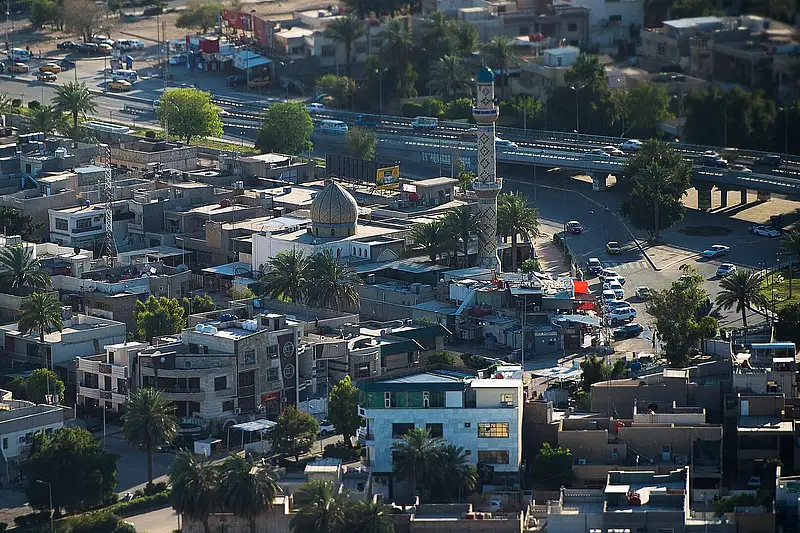
Iraq's controversial family law changes have revived questions over the legal age of marriage, while conflict and displacement elsewhere in the region are putting more girls at risk
- PUBLISHED: Tue 6 Oct 2026, 10:38 AM UPDATED: Tue 6 Oct 2026, 11:58 AM


Can a girl really get married at the age of nine in Iraq? The claim has followed Iraq's controversial changes to its personal status law, triggering concern inside and outside the country. But the reality is more complicated.
Iraq's legal marriage age remains 18, with judges able to authorise marriage from the age of 15 under certain conditions. The final legal framework does not set nine as the minimum age for marriage.
Recommended For You




So where did the claim come from, and why are women's and children's rights groups still concerned?
Stay up to date with the latest news. Follow KT on WhatsApp Channels.
The debate comes as child marriage remains a wider challenge across parts of the Arab world. In Gaza, war, displacement, hunger and school closures have been accompanied by a sharp rise in reported child and forced marriages, showing how girls can face similar risks for very different reasons.
What changed in Iraq?
Iraq's Personal Status Law of 1959 governs family matters including marriage, divorce, inheritance and child custody.
In January 2025, parliament approved amendments allowing Muslim couples to choose rules based on the Jaafari school of Islamic jurisprudence for their marriage and family matters.
The changes sparked controversy over whether moving some family matters away from a single national framework could weaken protections for women and children.
UN experts warned while the amendments were being debated that they could roll back protections relating to marriage, divorce and child custody.
Supporters of the amendments argued that they give Iraqis greater freedom to organise family matters according to their religious beliefs. Iraq's parliament said the changes were consistent with constitutional provisions allowing citizens to follow personal status rules according to their religion, sect, belief or choice.
So, can girls marry at nine?
Not under the final legal framework. The age of nine became central to the controversy because earlier proposals and debate surrounding the application of Jaafari rules prompted warnings that girls could potentially be married at that age.
But Iraq's legal marriage age remains 18. A judge can authorise marriage from the age of 15 under certain conditions, including physical capacity, approval from a legal guardian and a determination that the marriage is necessary.
The final framework also requires the Jaafari personal status rules to comply with age provisions contained in Iraq's existing Personal Status Law.
Iraq also told the UN Committee on the Rights of the Child in 2025 that marriage at nine was not permitted and that people facilitating marriages outside the legal framework could face punishment.
But correcting the nine-year-old claim does not end the debate.
Why are campaigners still concerned?
One major issue is the exception allowing marriage before 18. Girls can still legally marry from 15 with judicial approval, meaning marriage before adulthood remains possible.
The issue extends beyond what is written in the law. UNICEF data shows that around 28 per cent of Iraqi women aged 20 to 24 were married or in a union before turning 18.
In May 2026, Iraqi legal experts, academics, government representatives and UNFPA officials met in Baghdad to discuss family law and protections for women and girls.
Child marriage was identified as one of the major social challenges continuing to affect girls' lives and futures. Poverty, interrupted education, displacement and social pressure can all increase the risk of early marriage. Those pressures become even more severe during conflict.
What does Gaza tell us?
Gaza shows how child marriage can rise even without a major change to marriage law.
Before the war, child marriage in Palestine had been declining. The proportion fell from 26 per cent in 2009 to 11 per cent in 2022, according to UNFPA.
That progress is now under threat. At least 400 girls aged between 14 and 16 were granted marriage permissions during four months in 2025, according to emergency court records reviewed by partner organisations.
The true number could be higher because some marriages take place informally and may not be officially registered.
The situation worsened in 2026. Reported forced and child marriages in Gaza increased by 123 per cent between January and June, according to UNFPA.
The agency linked the rise to severe hunger, poverty, loss of income and school closures. Displacement and insecurity can also lead some families to view marriage as a way to protect their daughters or reduce financial pressure.
Importantly, the 123 per cent figure refers to an increase in reported cases, not necessarily the overall incidence of child marriage. UNFPA said expanded protection services may also have made it easier for cases to be reported.
Why does conflict put girls at greater risk?
When families lose homes, income and access to education, decisions can become shaped by survival. Girls may be living in overcrowded shelters with limited privacy and security. Schools may be closed, families may have little income, and normal protection systems can break down.
Under those conditions, some families may see marriage as a form of protection. But humanitarian organisations warn that early marriage can expose girls to other risks, including leaving education, violence and early pregnancy.
In Gaza, adolescent birth rates have more than doubled compared with levels before the war, according to 2025 data cited by UNFPA.
Is child marriage declining across the Arab world?
There has been progress, but it has been uneven. UNICEF estimates that around 40 million child brides live in the Middle East and North Africa. Poverty, limited education, social norms, conflict and displacement have all been identified as factors contributing to child marriage.
The risk can also be significantly higher among displaced communities. UNICEF reported in 2026 that child marriage affects 58 per cent of women aged 20 to 24 living in settlements for displaced Syrians in Lebanon, compared with 15 per cent in Beirut.
That means legislation alone cannot explain why girls marry before adulthood.
What would better protection look like?
International organisations have called for stronger legal protections, fewer exceptions allowing marriage below 18 and better enforcement of existing laws.
But preventing child marriage also requires addressing the circumstances that can push families towards it.
Keeping girls in school, reducing poverty, providing protection during conflict, ensuring marriages are officially registered and giving women and girls access to legal and social support are all part of that effort.
Iraq and Gaza show two very different sides of the same problem. In Iraq, the debate centres on the law, its exceptions and how family rules are applied. In Gaza, war and displacement are reversing years of progress.
The circumstances are different, but the question at the centre of both is the same: Are existing laws and protection systems doing enough to keep girls safe?