E-Paper
 Sign In


Oman temporarily caps fuel top-up near border crossings to 30 litres
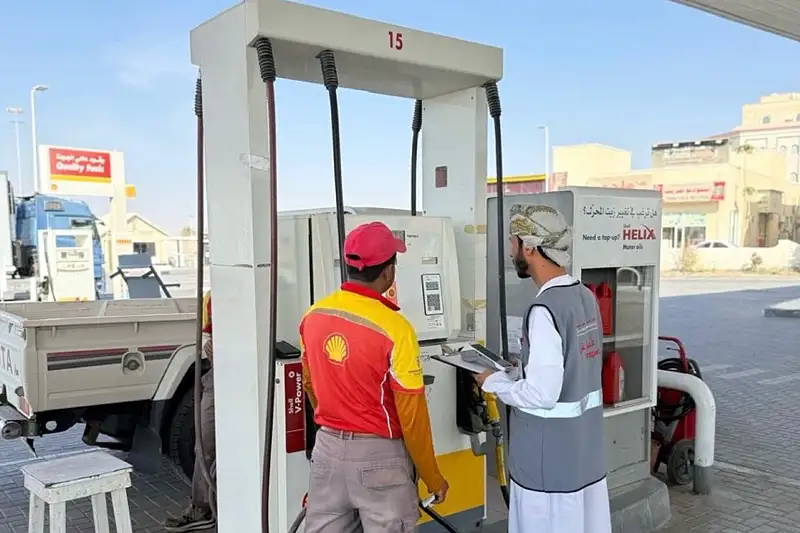
The move reportedly comes after a surge in demand at some outlets which has led to low stock of fuel
- PUBLISHED: Thu 29 Oct 2026, 3:28 PM


Oman has capped fuel purchases near its border posts in a temporary move announced by the Ministry of Commerce, Industry and Investment Promotion (Tejarah).
Approved by the National Subsidy Committee, a fuel refill limit of 30 litres now applies at petrol stations within 50 km of the country’s border crossings.
Recommended For You




It is unclear if the cap applies on the basis of each person or per vehicle, as well as the deadline of the restriction. Meanwhile, tanks can be filled more than once in a single day, Nasra bint Sultan Al-Habsi, the Director General of Tejarah, clarified.
Stay up to date with the latest news. Follow KT on WhatsApp Channels.
The move reportedly comes after a surge in demand at these outlets which has led to low stock of fuel. The NSC approved the measure to maintain supplies for more consumers and help affected stations continue operating without disruption, while also reducing long waiting lines.
Authorities have stressed that the restrictions only apply to stations within a 50km distance of the border crossings, with other stations across the Sultanate remaining unaffected.
Implementation is being coordinated with the Ministry of Energy and Minerals, OQ and petroleum marketing companies to maintain fuel availability at affected outlets.
Currently, the fuel prices in Oman are OMR 0.229 per litre for M91 Petrol, OMR 0.239 per litre for M95 Petrol, OMR 0.399 per litre for Ultimax 98 and OMR 0.258 per litre for Diesel.
The Tejarah on October 22 also revealed it had detected violations at four fuel stations for breaching sale regulations to fuel transport tankers by exceeding the prescribed limit of 100 litres.
The authority took legal action against the companies, while emphasising the importance of marketing companies and their affiliated operators complying with the laws, regulations, and requirements governing their activities.
The authority regularly carries out inspections to ensure the validity of licenses, compliance with approved conditions and circulars, and to enhance the level of services provided to beneficiaries and improve their quality.