 E-Paper
 Sign In


GCC chief calls for unified Gulf media strategy to counter misinformation
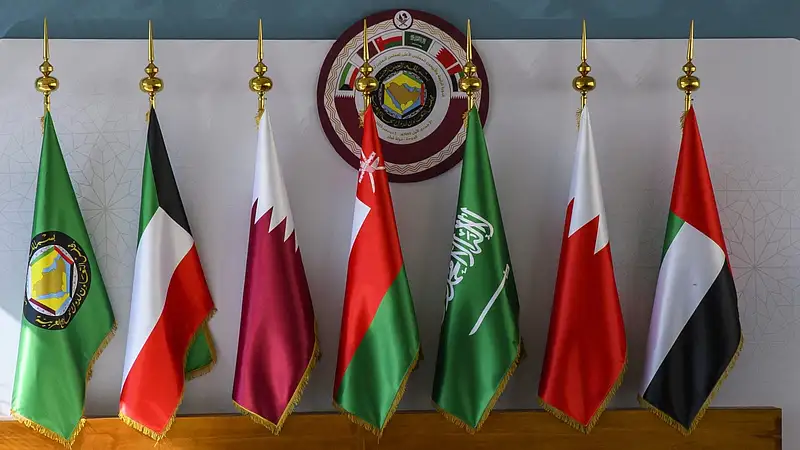
Albudaiwi says recent regional developments have demonstrated the need for closer coordination among media institutions across the Gulf Cooperation Council states
- PUBLISHED: Tue 15 Sept 2026, 1:19 PM UPDATED: Tue 15 Sept 2026, 5:07 PM


Gulf countries need a unified media framework capable of responding rapidly to misinformation and communicating the region's position with one clear voice, GCC Secretary General Jasem Mohamed Albudaiwi said.
Speaking at the Arab Media Summit 2026 in Dubai, Albudaiwi said recent regional developments had demonstrated the need for closer coordination among media institutions across the Gulf Cooperation Council states.
Recommended For You
He called for a shared Gulf media vision supported by practical mechanisms to address misleading campaigns, counter rumours and ensure accurate information reaches audiences quickly through traditional and digital platforms.
Stay up to date with the latest news. Follow KT on WhatsApp Channels.
“Media readiness is an integral part of national security, not a luxury,” Albudaiwi said, stressing that the role of the media during crises extends far beyond reporting events. Responsible media, he said, must convey facts accurately, confront false narratives and maintain fast, direct communication with the public.

One Gulf voice during crises
Albudaiwi referred to the extraordinary meeting of GCC information ministers held on March 9, 2026, which convened amid serious regional developments. He said the meeting reflected a collective understanding of the media’s role in mobilising and coordinating Gulf capabilities during periods of heightened tension.
The meeting sought to advance a common vision for joint media work and practical procedures for responding to misleading campaigns, while using the full range of conventional and digital outlets to carry the voice of GCC countries to regional and international audiences.
Albudaiwi said the experience underscored the importance of issuing a coordinated Gulf message, clarifying facts surrounding rumours and ensuring that official information reaches audiences quickly and credibly.
He also praised Gulf media institutions for their accurate reporting and efforts to counter misinformation. The response, he said, demonstrated the professionalism of media organisations and the efficiency of military and civilian institutions across GCC countries in dealing with fast-moving events.
The March meeting had described media as a “first line of defence” against disinformation. It also reinforced the principle that a unified Gulf position remains a source of strength during regional crises.
Three priorities for joint media action
Albudaiwi highlighted the Strategic Plan for Joint GCC Media Cooperation 2023–2030, describing it as an ambitious programme for developing a more integrated Gulf media landscape.
He identified three central priorities. The first is creating shared Gulf content that reflects the region’s identity, values, achievements and common aspirations. The second is increasing public awareness of the GCC states’ social, economic and political development, while reinforcing a common Gulf identity in the face of rapid global change. The third is deepening international media cooperation by building partnerships with friendly countries and major institutions.
The strategy also supports stronger coordination between media organisations, improved crisis communication and broader use of digital platforms. Related GCC initiatives include a code of ethics for electronic media, a joint emergency media plan for crises and disasters, and cooperation among Gulf news agencies, radio stations and television networks.
Albudaiwi said Gulf media should explain the GCC states’ balanced positions to audiences at home and abroad, while contributing to cultural and social security. The Council, he added, continues to be an active and trusted regional partner with a prominent international presence.
Media must anticipate change
The GCC chief said the rapid transformation of the global media industry requires institutions to rethink their strategies and address changes in content creation, distribution and audience behaviour.
Media can no longer be treated simply as a professional practice, he said. It is an influential strategic tool that must remain capable of renewal, creativity and innovation.
He called for media that leads rather than merely reacts, embraces diversity and offers audiences a balanced distinction between fact and falsehood. The sector must also safeguard Arab intellectual and cultural identity while remaining connected to international best practices.
Albudaiwi said the evolution of the Arab media landscape including the expansion of digital platforms, specialised channels and new forms of content had created both opportunities and challenges. Quality, professional standards and the ability to keep pace with technology would determine the sector’s future influence.


Ruqayya Alqaydi is an associate editor with an endless curiosity to learn. Like a journalist on a caffeine overdrive, she is fuelled by passion and on a mission to uncover every gem in the UAE.