 E-Paper
 Sign In





Hijab-wearing girls being denied entry to schools in Azerbaijan amid new uniform rules
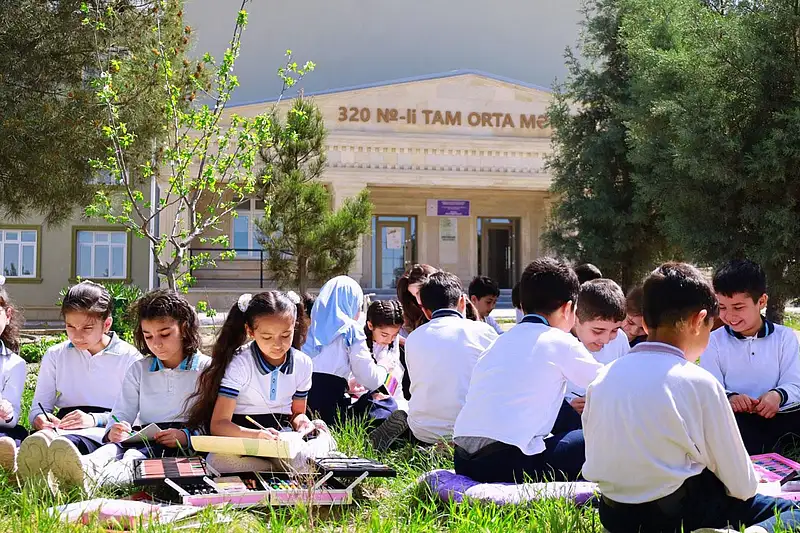
New school uniform rules in Azerbaijan have sparked protests after girls wearing hijabs were reportedly denied entry to schools, raising concerns over religious freedom and access to education
- PUBLISHED: Mon 19 Oct 2026, 6:00 AM


Girls wearing hijabs have reportedly been turned away from schools in Azerbaijan following new uniform regulations, sparking protests and raising questions about religious freedom in the Muslim-majority country.
The controversy began after authorities introduced rules requiring clothing in public schools to comply with uniform standards and the secular nature of education.
Recommended For You



Although the regulations do not explicitly mention the hijab, some schools have interpreted them as restricting Islamic headscarves, leaving students and teachers facing difficulties entering classrooms.
The dispute has since drawn criticism from human rights organisations and prompted an unusual public disagreement between Azerbaijan and its close ally Turkey. Some students also reportedly boycotted classes in protest.
Stay up to date with the latest news. Follow KT on WhatsApp Channels.
What do the new rules say?
On September 21, Azerbaijan's Cabinet of Ministers approved amendments to regulations governing uniforms in state schools.
The changes prohibit clothing that does not comply with official uniform requirements or conflicts with the secular principles of education. Additional dress requirements for teachers were introduced on October 6.

The regulations, however, do not explicitly ban the hijab, leaving individual schools to determine how the rules should be applied. According to Radio Free Europe/Radio Liberty, parents in Baku and other areas reported that school administrators had instructed girls to remove their headscarves or prevented them from attending lessons.
Why are students being denied entry?
Azerbaijan is a predominantly Muslim country, but its constitution defines the state as secular and guarantees freedom of religion.
Supporters of the regulations argue that standardised uniforms help maintain a neutral educational environment. Elnara Akimova, a lawmaker from the ruling New Azerbaijan Party, told Radio Free Europe/Radio Liberty that the changes were intended to ensure neutrality in schools.
However, parents and rights advocates have questioned whether enforcing uniform requirements should prevent children from receiving an education.
In one reported case, Gulmira Aslanova, a parent in Baku, said her daughter's school had instructed her to attend without a headscarf. She argued that access to education should be protected under the country's laws.
The restrictions have also affected teachers. English teacher Gulshan Aliyeva, who has 23 years of teaching experience, told Al Jazeera that she and her daughter had been denied entry to their school in Baku because they were wearing headscarves.
What happened during protests?
The restrictions triggered demonstrations outside schools, with students and parents opposing the measures. Videos circulated on social media showing emotional scenes involving students and teachers, while some pupils reportedly joined protests in solidarity with classmates who had been excluded.
On October 12, Azerbaijan's Interior Ministry announced that 37 people had been detained in Baku, accusing them of disrupting public order.
Activists reported a higher number of detentions, although those figures have not been independently verified. The demonstrations have attracted attention because public protests are relatively uncommon in Azerbaijan.
What has Amnesty International said?
On October 16, Amnesty International called on Azerbaijani authorities to reverse the restrictions and ensure that girls wearing hijabs could attend school.
The organisation argued that excluding students because of their religious clothing violates their rights to education, religion and freedom of expression.
Marie Struthers, Amnesty International's Eastern Europe and Central Asia Director, said the secular character of public education did not justify a blanket restriction on religious dress.
The organisation also raised concerns about the detention of peaceful protesters and reports that an activist who attempted to organise free online lessons for affected girls had gone missing. It called for the release of those detained solely for peacefully exercising their right to protest.
Why has Turkey become involved?
The controversy has also created tensions between Azerbaijan and Turkey, two countries that maintain close political and cultural relations. Oktay Saral, an adviser to Turkish President Recep Tayyip Erdogan, criticised the restrictions and called on Azerbaijan to reverse them.
Other Turkish political figures also expressed concern about girls being prevented from attending school because of their headscarves.
Azerbaijan's ruling New Azerbaijan Party responded by rejecting what it described as interference in the country's domestic affairs. The party defended the uniform regulations as being based on equality, secularism and the rule of law.
Is the hijab banned across Azerbaijan?
No. The current restrictions concern clothing requirements in educational institutions rather than a nationwide ban on wearing hijabs in public. The school regulations do not explicitly mention Islamic headscarves, but their implementation has led to reports of students and teachers being denied access to classrooms.
The controversy has highlighted a wider debate over how governments can maintain secular education systems while protecting religious freedom. For affected families, the central concern remains whether girls can continue attending school without being required to remove their headscarves.
As the debate continues, the dispute raises a broader question about how the right to education and freedom of religious expression can be protected within the same school system.