 E-Paper
 Sign In


Explained: Why Europeans pay more for petrol than most Arab drivers
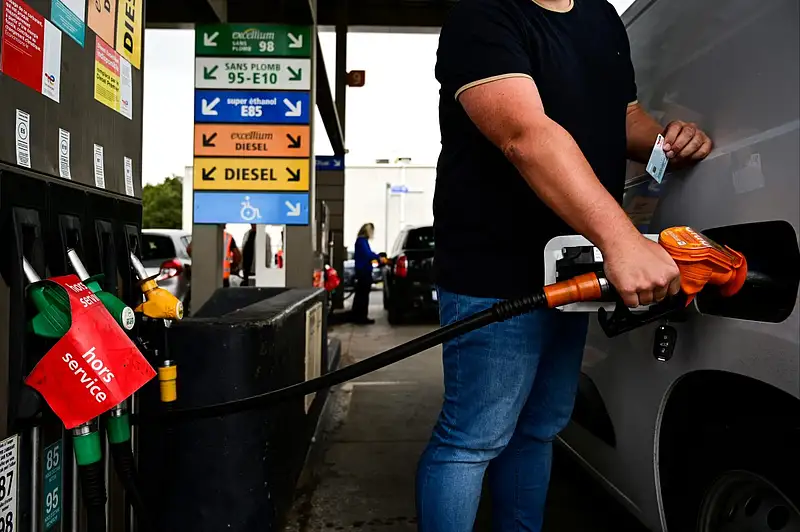
Motorists around the world are feeling the impact of higher oil prices, but what they pay at the pump varies sharply depending on taxes, subsidies and how each country sets fuel prices
- PUBLISHED: Sat 3 Oct 2026, 6:00 AM


A driver filling his 50-litre sedan in Qatar currently pays around $29 for petrol. In Germany, filling the same size tank can cost about $132. Both countries are exposed to the same global oil market, so why is the difference so large?
Fuel prices have risen across several countries as higher crude oil prices and geopolitical tensions put pressure on energy markets. But a comparison between Arab and European countries shows that the impact at the pump can look very different depending on where a motorist lives.
Recommended For You





In the UAE, Special 95 petrol rose to Dh4.28 per litre for October, up from Dh3.69 in September. That works out to around $1.17 per litre, or roughly $58 to fill a 50-litre tank.
Stay up to date with the latest news. Follow KT on WhatsApp Channels.
Elsewhere in the Arab world, however, drivers are paying very different prices. Qatar's Super 95 remains at QR2.10 per litre, or around $0.58. Filling a 50-litre tank would therefore cost about $29.
Egypt is cheaper still, with 95-octane petrol priced at EGP24 per litre, equal to roughly $0.46 at current exchange rates. That puts a 50-litre tank at around $23.
Jordan shows why the Arab world cannot be treated as one fuel market. The country raised the price of 95-octane petrol to JD1.36 per litre for October after global crude oil and petroleum product prices increased during September.
At around $1.92 per litre, filling a 50-litre tank in Jordan would cost roughly $96, much closer to European prices than those seen in Qatar, Egypt or the UAE.
What are drivers paying in Europe?
European motorists are generally paying considerably more. The latest European Commission data puts petrol at around €2.35 per litre in Germany, €2.21 in France, €2.16 in Italy and €1.94 in Spain.
For a 50-litre tank, that works out to roughly $132 in Germany, $124 in France, $122 in Italy and $109 in Spain.
The contrast is striking. The same amount of petrol costs about $29 in Qatar and $58 in the UAE, while in Germany the bill can exceed $130.
But the difference is not simply about which countries produce oil.
Why is petrol more expensive in Europe?
Crude oil is only one part of the price motorists eventually see at the pump. Taxes make up a significant share of fuel prices in Europe. Governments impose excise duties, value added tax and other charges, meaning motorists are paying for more than the underlying cost of the fuel itself.
The European Commission publishes both pre-tax and after-tax prices, showing how taxes contribute to the final amount paid by consumers.
Higher oil prices have added further pressure. The European Commission said this week that prices remain high despite oil supplies remaining stable, with several member states introducing measures to ease the impact on consumers.
Why are prices so different across the Arab world?
There is no single fuel pricing system across Arab countries. Some oil-producing Gulf states maintain comparatively low domestic prices, while other governments use subsidies or regulated prices to limit how quickly changes in global markets reach consumers.
The UAE follows a monthly fuel pricing mechanism that reflects movements in global energy markets. This means international price changes can appear relatively quickly at petrol stations.
Jordan also reviews fuel prices monthly, but authorities said the government has been gradually adjusting prices rather than passing the full increase in international prices on to consumers.
Egypt, meanwhile, continues to regulate domestic fuel prices, creating another layer between movements in international oil markets and what drivers ultimately pay.
The comparison shows why two drivers can fill identical cars on the same day and walk away with dramatically different bills.
Oil may be traded globally, but the price at the pump is still shaped heavily by where that pump happens to be.