E-Paper
 Sign In


Nepal floods: How families can submit DNA samples to identify missing relatives
A notice by Nepal's Disaster Management Authority specified which family members are eligible to give DNA samples and how to send it
- PUBLISHED: Wed 9 Sept 2026, 6:18 PM


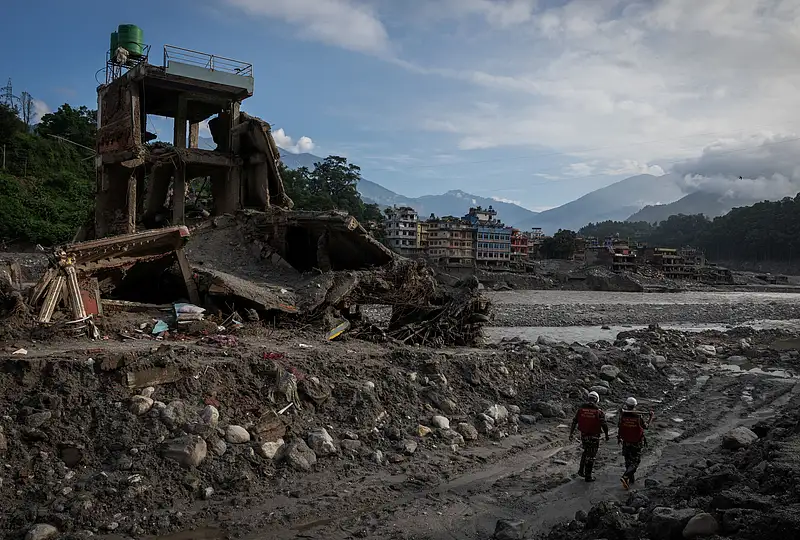
Nepal's Disaster Management Authority has issued a public notice regarding DNA testing for families living outside Nepal whose relative might be missing in the flash floods. The August 26 catastrophe has killed more than 1,410 people and left 5,651 missing.
The notice specifies which family members are eligible to give DNA samples and what kind of laboratory one can go to give the sample.
Recommended For You




Stay up to date with the latest news. Follow KT on WhatsApp Channels.
Who should give the DNA sample
The closest available blood relative of the missing person can give a DNA sample, using this order:
First choice: Mother, father, son or daughter of the missing person.
Second choice: Real brother or real sister (born from same mother and father).
Third choice: If none of the above are available, another blood relative from the same family can give a sample. For example, father's brother, or a brother or sister who shares only one parent.
A husband, wife, adopted family member, step-relative or in-law cannot be used, because they do not share DNA with the missing person.
What to ask the laboratory for
Sample has to be taken at a government forensic science laboratory, or at a private laboratory that holds required authorisation in your country.
The authority listed the type of DNA profile required for sample donors, asking the public to show it to a laboratory for testing, as they were technical terms that laboratory staff will understand.
The requirements are listed below:

What to send to the Disaster Management Authority
1. The DNA report must include:
Electropherogram (EPG) with maker table in PDF
- XML format
- CMF format
It must be on the laboratory's official letterhead containing the relationship information between the donor and claimed missing person, duly signed.
2. A copy of your photo identity document (passport, national identity card or similar).
3. A signed consent letter allowing your DNA profile to be used only for identifying the missing person mentioning the relation of the donor with the missing person.
How to send it
Family members can send scanned copies of all the above by email to: dnacodis@nepalpolice.gov.np.
The authority also assured the families that their DNA information will be kept strictly confidential, used only to identify the missing relative, and will not be used or stored for any other purpose.