 E-Paper
 Sign In


Middle East tourism spending to rise 57% to $408 billion by 2030
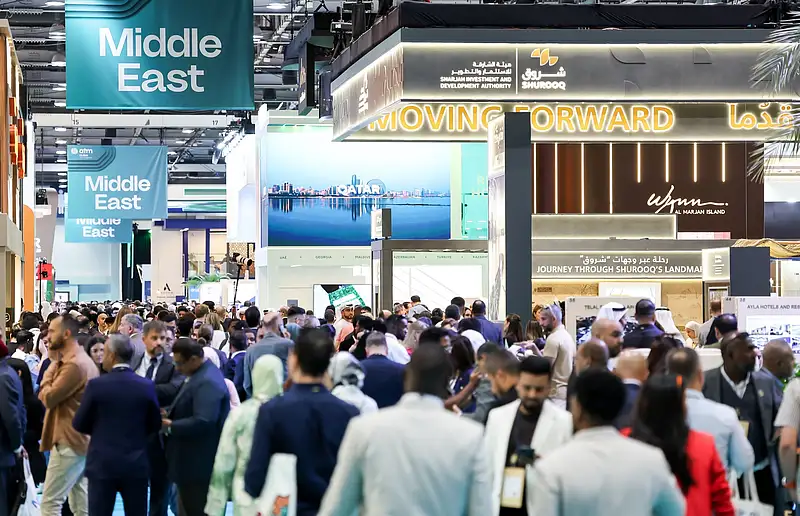
Leisure nights by Chinese visitors to the Middle East is forecast to increase by 160 per cent by 2030; AI is also becoming a bigger part of how people travel and companies operate
- PUBLISHED: Sat 19 Sept 2026, 6:00 AM


International visitors are expected to spend an additional $116 billion in the Middle East by 2030, as the region attracts more travellers and strengthens its position as a global tourism hub.
By 2030, the region is expected to receive 316 million international arrivals and generate $408 billion in visitor spending.
Recommended For You

This comes as visitor spending is forecast to increase by 57 per cent between 2025 and 2030, according to the ATM Travel Trends Report 2026, produced by Arabian Travel Market in association with Tourism Economics.
The findings were presented during Arabian Travel Market 2026 in Dubai, as tourism leaders looked at how the industry could grow despite geopolitical and economic uncertainties.
Stay up to date with the latest news. Follow KT on WhatsApp Channels.
Across the wider Middle East, North Africa and South Asia region, known as MENASA, international travel is forecast to grow by 17 per cent in 2027 — more than twice the projected global growth rate of eight per cent.
Dave Goodger, managing director EMEA at Tourism Economics, said the expected growth goes beyond a short-term recovery.
“We are indeed optimistic about growth,” he said during the presentation, adding that travel is expected to expand on a structural basis over the next five years.
He noted travellers continue to prioritise experiences, while rising wealth, favourable demographics and investment in tourism capacity are supporting longer-term growth.
Chinese travellers could drive growth
Long-haul markets are expected to play a bigger role in the next phase of tourism growth.
China stands out, with leisure nights by Chinese visitors to the Middle East forecast to increase by 160 per cent by 2030.
The increase could make China an increasingly important source market as destinations across the region compete for international travellers.
The report also found that travel volumes across MENASA in 2025 were almost 50 per cent higher than in 2019, around three times the growth recorded globally.
AI changes how trips are planned
Artificial intelligence is also becoming a bigger part of how travel companies operate and how tourists plan their holidays.
Around 91 per cent of Middle East travel businesses are either piloting or already using AI within their organisations, according to research cited in the report. Of those, 85 per cent reported measurable cost savings.
Travellers considering the Middle East are also more likely to use the technology when planning a trip.
Around 28 per cent have used an AI chatbot for travel planning, compared with 12 per cent of travellers interested in other regions.
AI could increasingly influence different stages of a journey, from choosing a destination and planning an itinerary to booking and receiving support during a trip.
Tourism recovering faster from disruption
The report also suggests that tourism markets are becoming faster at recovering from major disruptions.
Recovery periods following significant travel disruptions have fallen from around 24 months in the early 2000s to approximately 10 to 12 months in recent years.
While geopolitical uncertainty is expected to affect Middle East travel during 2026, the longer-term outlook remains focused on growth.
Arabian Travel Market 2026 was held at Dubai World Trade Centre from September 14 to 17, bringing together destinations, airlines, tourism companies and technology providers to examine the future of the global travel industry.
