 E-Paper
 Sign In


How this Philippine city became country’s cycling capital with 157% surge in cyclists
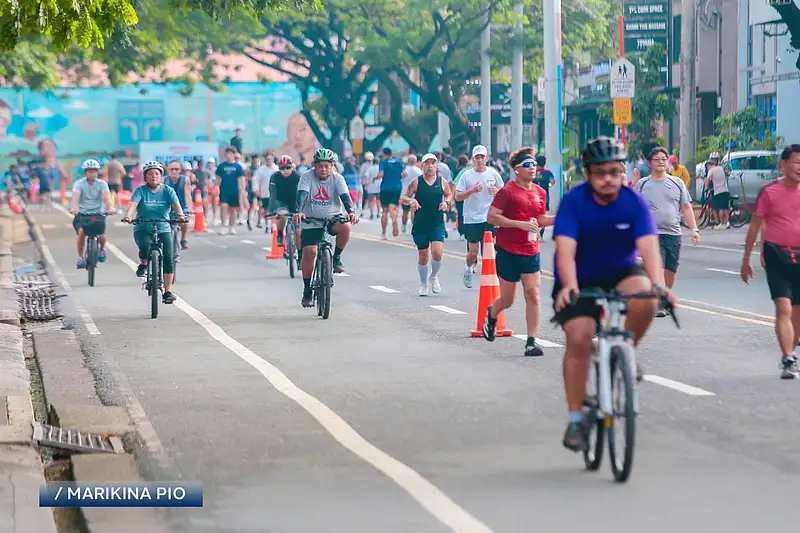
The city is located in a valley, nestled at the foothills of the Philippines’ biggest mountain range; it serves as the first catch basin for rainwater that rushes down the Sierra Madre
- PUBLISHED: Sat 26 Sept 2026, 6:00 AM


A suburb of Manila is proud of its hard-earned moniker as the Philippines’ cycling capital as it registered a 157 per cent increase in pedal pushers in the last 12 months.
Quietly but steadily, Marikina City has gained fame as the town with the highest number of cyclists, both residents and visitors.
Recommended For You


In a seven-day monitoring period, the Marikina City Bikeways Office (MCBO) recorded 29,245 cyclists on its dedicated bicycle lanes and avenues this year, a significant jump from 11,363 noted during a similar poll last year.
Stay up to date with the latest news. Follow KT on WhatsApp Channels.
Where is Marikina City?
Located northeast of the capital and part of the regional metropolis, Marikina was previously known as the Southeast Asian country’s shoe-making city. Cobblers’ artisanal shops bravely hang on to the distinction, but they have surely lost out to cheap Chinese imports.
During the country’s monsoon and typhoon season, Marikina is, however, infamous for flooding, with a river bearing its name dissecting the city.
The city is located in a valley, nestled at the foothills of the Philippines’ biggest mountain range. It serves as the first catch basin for rainwater that rushes down the Sierra Madre. When floods recede, the city government immediately flushes the silt away with pressurized water, taking extra care to clean its special bicycle lanes.
Unlike the majority of Metro Manila, Marikina has lots of tree-shaded lanes, a throwback to plans by the US colonial government to turn the forested area into a watershed. In the 1960s, Marikina became known for its many factories and middle-class residential subdivisions.
How did cycling become popular in Marikina?
In the 1990s, the city pioneered dedicated, extensive bicycle infrastructure and active transport programmes in the Philippines. It created bicycle lanes along both major avenues and roads that wind their way between subdivisions and factories.
In 2001, the MCBO was created, the first in the country, and was put in charge of maintaining lanes, conducting regular bike counts, and implementing safety programmes and community-focused cycling initiatives.
By 2003, the bicycle lanes had stretched to a 52-kilometre network that connected major destinations like parks, offices, commercial hubs, and transport stations. The bike lanes became protected infrastructure, featuring clear signage and thermoplastic markings to protect riders from motorists.
In 2020 and 2025, the city won nods in the government’s Mobility Awards, largely for its cycling-friendly culture.
It did not hurt that Marikina had many cycling shops as early as the 1980s, with major ones even organising amateur teams that participated in organised races that climbed nearby mountains.
Marikina’s pedal pushers are not all recreational cyclists. Demographics show they are overwhelmingly male (28,868), and they are mostly seen in the mornings and in the early evenings on major roads that lead to Rizal Province municipalities adjacent to the city.
A substantial number (19,118) are also non-helmet users, indicating they are minimum-wage workers pedalling their way to work and back home. Cycling became more popular as a transportation mode during the 2020 Covid pandemic lockdowns when public buses were banned on the streets.
On weekends, however, recreational cyclists from the city’s middle class come out in droves, enticed by Marikina’s bike lanes, tree-shaded streets and mostly flat terrain ideal for beginners. Serious cyclists may also use Marikina as a launch area for the more serious business of climbing nearby Antipolo City’s hills and mountains.
MCBO also organises races for all kinds of riders, including children, closing down motor traffic on weekends and holidays for safety.
What is cycling’s future in the Philippines?
Mayor Maan Teodoro said the increase in the number of cyclists in Marikina – whether residents or passersby, for transportation or recreation – shows continuing success in her city’s cycling programme.
“These figures are a positive indication that our actions and programmes promoting safer and more organised cycling are yielding results,” Teodoro said.
The city has recently announced its construction of a park dedicated to bicycles, as well as skateboards, roller skates, rollerblades, and non-motorised scooters. It will serve as an end-of-trip facility for bikers, with restrooms and designated areas for stalls, as well as spaces for various activities.
The local government is also installing bike racks in schools to provide organised and accessible parking for students who ride bicycles to school.
