 E-Paper
 Sign In





UAE diplomat Lana Nusseibeh's UN chief bid: Why her Gaza aid negotiations matter
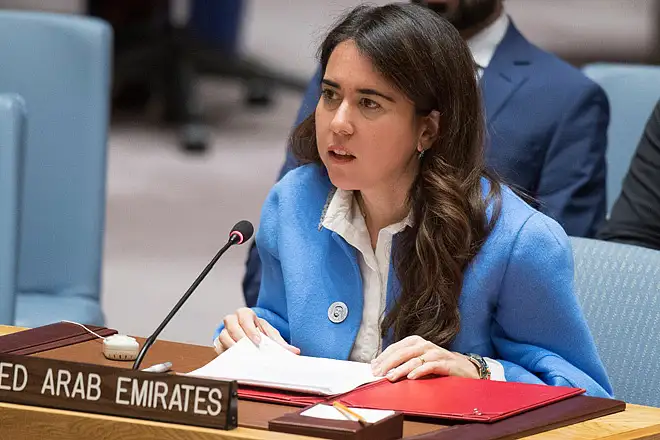
During the UAE's Security Council term, Nusseibeh helped advance a UN resolution to increase aid to Gaza and support its delivery, expert says
- PUBLISHED: Tue 27 Oct 2026, 6:00 AM UPDATED: Tue 27 Oct 2026, 9:45 AM


The negotiations over humanitarian assistance to Gaza offer an important insight into what UAE diplomat Lana Nusseibeh could bring to the UN's top job, according to a leading diplomatic expert.
Dr Sara Chehab, Academic Director of the Anwar Gargash Diplomatic Academy (AGDA), cited Nusseibeh's role in advancing UN Security Council Resolution 2720, adopted in December 2023 to increase aid to Gaza.
Recommended For You




"Such negotiations require an understanding of what different governments can accept without losing sight of the people whose needs make agreement urgent," Chehab told Khaleej Times following Nusseibeh's announcement of her candidacy for UN Secretary-General on October 21.
Stay up to date with the latest news. Follow KT on WhatsApp Channels.
"Adoption is only one stage. Access still has to be secured, arrangements coordinated and commitments implemented, requiring diplomatic attention long after a resolution has passed."
In her eight-page vision statement, Nusseibeh calls for "first agreements", such as local truces, prisoner exchanges and humanitarian access, as steps towards broader political settlements.
Chehab said such agreements, when honoured, could lay the groundwork for further engagement. She also highlighted Nusseibeh's work on Security Council reform as relevant to the next UN chief's efforts to strengthen the organisation.
What an Arab UN chief could bring
Chehab, who is also the lead researcher of the AGDA's Women in Diplomacy program, said a Secretary-General from the Arab region could draw on the Gulf's growing role in mediation and its experience of maintaining dialogue across political divides.
"A Secretary-General familiar with that landscape would understand the relationships through which regional actors can bring parties together, including when formal international channels face difficulties," she said.
A mediator trusted by the parties may be best placed to sustain negotiations, while the UN can provide humanitarian coordination, technical expertise and support for implementing agreements.

"Knowing when to lead and when to support someone else is an important part of diplomatic judgement," Chehab said.
She also pointed to the UAE's experience in building institutions and transforming its economy, which could offer perspectives on development cooperation, particularly for countries seeking investment, jobs, skills and access to technology alongside essential assistance.
However, she cautioned that no country's experience could serve as a universal model. Bridging divides between the Global North and South would require listening to developing countries' priorities and giving them a meaningful role in decisions affecting their development.
Understanding the UN from within
"Lana Nusseibeh knows the UN from the inside, including the difficult work of keeping negotiations moving when governments appear far apart," Chehab said.
Her experience across humanitarian action, development and institutional reform, she explained, underpins her proposals to rebuild trust in the UN through earlier action and concrete results.
"Other candidates bring substantial qualifications, so the distinction is in how she connects her experience to the demands of the office," she said.
Ultimately, the test is whether the UN can deliver on its promises to governments and communities alike, Chehab argued.
Challenges facing her candidacy
Asked about the challenges facing Nusseibeh, Chehab highlighted expectations that the next UN Secretary-General should come from Latin America or the Caribbean.
Regional rotation is not prescribed by the UN Charter, however, Chehab cited António Guterres' selection in 2016 despite expectations that the position would go to Eastern Europe.
"The decisive hurdle is securing sufficient Security Council support without a permanent member’s veto," she said.
On Nusseibeh's need to win confidence across regions, Chehab said: "Governments must trust that she would apply principles consistently and speak frankly with every capital, without favouring supporters or penalising critics."
Beyond the selection process, the next Secretary-General will inherit an organisation facing funding pressures, prolonged conflicts and divisions among major powers.
 There is a difficult imbalance between what the world expects of the UN and what governments are currently prepared to enable it to do.
Dr Sara Chehab
She stressed the importance of political judgement, including knowing when quiet engagement could succeed and when public advocacy was necessary. The next leader would also need to be candid with member states about the gap between the responsibilities they assign to the UN and the resources they provide.
What the candidacy means for Arab diplomacy
Regardless of the outcome, Chehab said Nusseibeh's candidacy would bring greater visibility to Arab diplomacy, highlighting the region's contributions to UN reform, development finance, AI governance and youth participation, alongside mediation and humanitarian work.
"It puts Arab multilateral expertise at the centre of a global conversation about international leadership," she said.
For young diplomats, Chehab said Nusseibeh's career showed how demanding assignments and sustained international engagement could prepare them for senior global roles. That visibility, she added, becomes more meaningful when they have opportunities to develop their own experience and take on substantive responsibilities.

As Associate Editor, Sahim Salim helps tell the UAE story like no one else does — and leads a team of reporters that asks the questions to get news and headlines that matter.