 E-Paper
 Sign In


UAE launches first nationwide study to measure food loss, waste
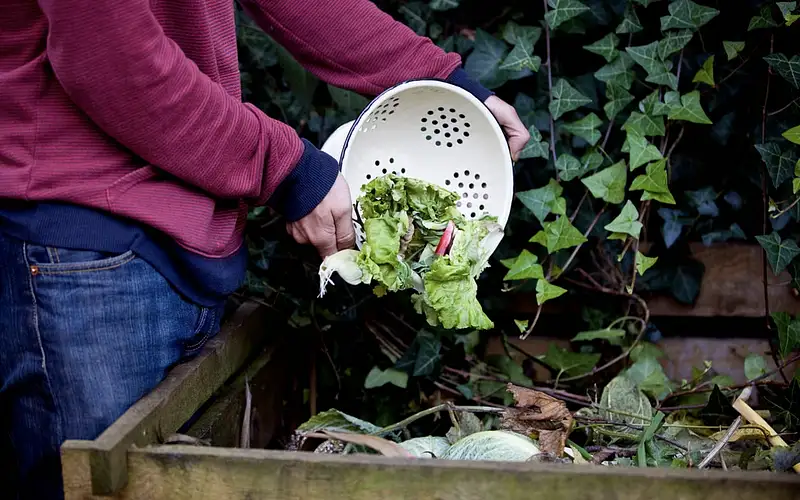
Ne’ma Initiative partners with government and private sectors to reduce food waste by 50% by 2030
- PUBLISHED: Wed 7 May 2025, 10:53 PM


The UAE has launched its first nationwide study to measure food loss and waste across the country, marking a significant step towards its goal of halving food waste by 2030. Led by ne’ma, the National Food Loss and Waste Initiative, the 18-month study will collect data from 3,000 participants — including households, farms, restaurants, and supermarkets — across all seven Emirates. The findings, set to be revealed in early 2026, will form the foundation for targeted strategies to curb food waste and build the UAE’s first food loss and food waste indices.
The study is a collaborative effort involving key stakeholders such as the Ministry of Climate Change and Environment (MOCCAE), Abu Dhabi Agriculture and Food Safety Authority (ADAFSA), Tadweer Group, Dubai Municipality, and Aldar.
Recommended For You





“We started this cooperation with ne’ma in the beginning of 2023. We are committed to increasing awareness of the problem of food waste through innovative solutions that are also expandable," said Salwa Al MeFalahi, Executive Director of Sustainability and Corporate Social Responsibility at Aldar. "We have a diverse collection of schools, residential communities, hotels. It was important for us to cooperate on many experimental projects that we have done during this period to increase awareness and encourage members of society to carry out sustainable practices."
Stay up to date with the latest news. Follow KT on WhatsApp Channels.
As part of the initiative, around sixty per cent of F&B outlets at Yas Mall contribute their excess food to community fridges, reflecting a growing commitment to sustainable practices, she added.
Additionally, ne’ma is distributing colour-coded bags to participants to measure food waste at its source, allowing for clear analysis of the types of food discarded and why. This data will be instrumental in informing UAE’s food waste indices and developing reduction strategies.
Dr. Essam Sharaf Al Hashmi, Director of the Office of Special Studies at ADAFSA, underscored the importance of understanding food waste across the supply chain: “We have studied the previous food [loss] in all stages of the food chain... If we know the reason, the solution is very simple. If we know the quantity, we can measure the low percentage of it. If there is a problem with the storage of this product, we can focus on the way to store the products.”
Food waste awareness
The initiative is also extending to educational programmes, with ADAFSA integrating food waste awareness into school curricula to instill sustainable habits in the next generation. “We started mainly with the educational programmes at the school level, until we entered the curriculum of schools... a project related to loss and warning at the school level, to raise the awareness of the next generation in the importance of preserving the blessings,” Al Hashmi added.
Abdulwahid Jumaa Freish, Executive Director of Communication and Awareness at Tadweer Group, noted the importance of strategic planning in waste reduction. “I think that there is a need for a more comprehensive approach to this. We know the quantity, but we know the trend. Do we need to increase or decrease production?” he said, emphasizing the role of data in shaping national waste policies.
Khuloud Hassan Al Nuwais, Chief Sustainability Officer of Emirates Foundation and ne’ma Committee Secretary General, said: “Through the UAE’s first National Baseline Study, ne’ma is engaging public, private sector, and community members in building an accurate, data-driven picture of where and how food is lost or wasted.”
The UAE Food Loss and Waste Baseline Study represents a critical step in advancing the nation’s sustainability goals. Its outcomes are expected to not only guide national policy but also empower households and businesses to adopt practices that minimize food waste, supporting the UAE’s target to cut food loss and waste by 50 percent by 2030.
The final report will be shared nationally and internationally, contributing to global knowledge-sharing on food waste reduction and reinforcing the UAE’s commitment to sustainable food systems.
