 E-Paper
 Sign In





UAE among world's top countries for inclusive growth, equality, UN study reveals
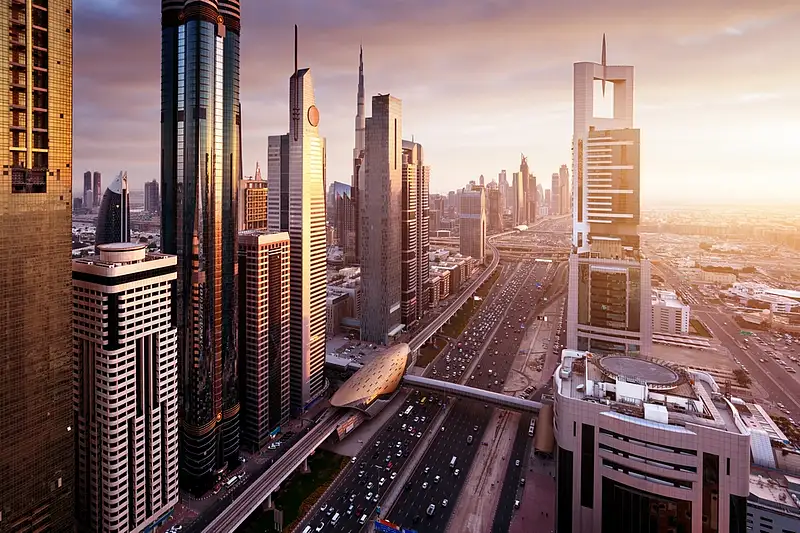
There is more equality in the UAE than in many developed countries such as the US, Germany, France, Switzerland and others
- PUBLISHED: Thu 27 Mar 2025, 1:42 PM


The UAE is the best country in the Arab world for inclusive growth and equality, according to the United Nations (UN).
The UN Trade and Development’s (UNCTAD) Inclusive Growth Index measures the economy, living conditions, equality and the environment.
Recommended For You



With a score of 91.4 in the equality sub-index, the UAE surpasses or matches the median score of 73.5 for developed economies and far exceeds the 37.4 median score for developing countries.
The UN study revealed that there is more equality in the UAE than in many developed countries, such as the US, Germany, France, Switzerland, Luxembourg, Austria, Canada, South Korea, Japan, Sweden and others. Similarly, the UAE is rated the highest on equality compared to other Arab countries such as Egypt, Morocco, and Lebanon. None of the other regional Gulf Cooperation Council (GCC) countries were listed in the index.
Stay up to date with the latest news. Follow KT on WhatsApp Channels.
The equality component measures how evenly opportunities and benefits are shared across a country’s population, focusing on whether different groups — especially women and youth — have equal access to resources, jobs and decision-making. It draws on 10 indicators covering income, poverty, education, employment and political representation.
The UAE achieved a very good score of 90.1 in terms of living conditions, nearly on par with most developed countries.
The UAE government spends billions of dirhams every year improving the infrastructure and healthcare facilities to provide the best quality of life for citizens and residents.
Luxembourg, Norway and Denmark continue to lead with an overall score, with only two developing economies — Singapore and the UAE — in the top 30, it said.
The UN believes that higher GDP doesn’t guarantee shared benefits or sustainable growth. To better measure real progress, UNCTAD combined it with data on living conditions, equality and the environment.
