E-Paper
 Sign In


Jumeirah squeezed two years of renovations into one during conflict, says CEO
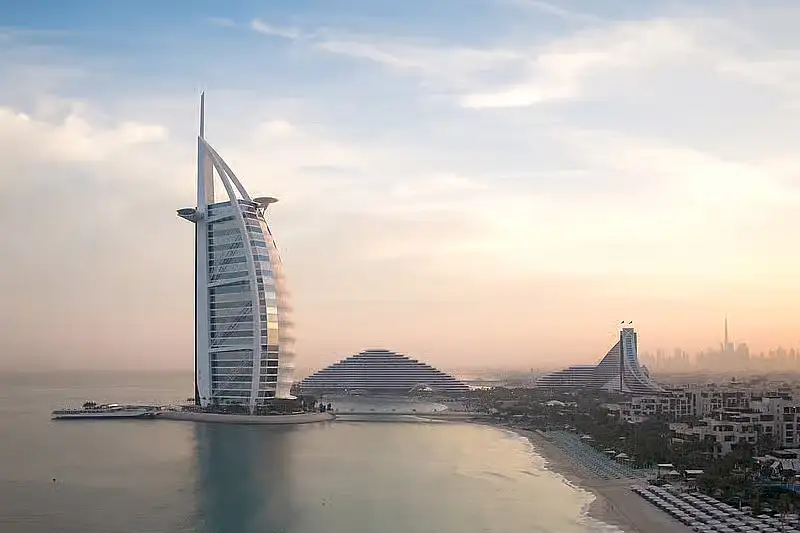
Thomas Meier said that Dubai's long-term hospitality story is unchanged even with the regional conflict, as the Burj Al Arab renovation continues
- PUBLISHED: Wed 14 Oct 2026, 5:18 PM


Dubai's Jumeirah Group used the recent regional conflict to fast-track its renovation pipeline, completing two years of work in a single year, its CEO Thomas Meier has revealed.
Speaking at the Rise summit in Dubai, Thomas said the safety of colleagues and guests was the first priority during the crisis. But once the initial wave passed, the group stepped back and reassessed its plans. "We assessed what projects we had lined up for renovation, new restaurants, change of concept," he said. "And this summer we did the renovation, the scope that we had for two years within one year."
Recommended For You




The group made tough decisions. Some hotels were temporarily closed so work could move faster. Now Jumeirah is ramping up those hotels, adding new restaurants and new rooms ahead of the coming season.
Stay up to date with the latest news. Follow KT on WhatsApp Channels.

One of the group's most famous assets, the Burj Al Arab, was one of the hotels that was closed for renovation and remains closed until the third quarter of 2027. But Thomas said it is still the most photographed object in Dubai.
"The Burj Al Arab is closed for renovation, as we have announced,” he said. “From the outside you can't see this, and every day you have tourists who take pictures. We think that's fantastic."
He credited the landmark with helping to position Dubai as a global tourism destination in the first place. "If you look at the vision Sheikh Mohammed had when he started to conceptualize the Burj Al Arab, it helped really to position Dubai as a tourism destination," he said.
Personalisation matters
Thomas said the biggest change in luxury travel is how much guests already know before they arrive.
"Across every sector, our travellers are much, much better informed about the destination, about the product and what we can offer," he said. "In return, what we have to adapt ourselves to is a much, much higher level of personalisation."
Some guests now contact the hotel two to three weeks before arrival, sharing itineraries and preferences. He shared one story that captured the level of service. A regular guest forgot his glasses while travelling to the airport in Europe. From the plane, he reached out to his butler and shared his prescription. By the time he arrived in Dubai, a new pair of glasses was waiting for him.
"It sometimes feels like we know these guests forever," he said.
The human touch
Thomas highlighted how the human touch was important in the hospitality industry and that artificial intelligence cannot deliver that kind of service but it can help organise it.
"AI couldn't do it, but AI could help us to organize it and to track it," he said.
Jumeirah is working with parent company Dubai Holding on AI across three areas: staff co-pilot tools, institutional applications like Oracle and Salesforce, and tailor-made apps for operations.
He believes AI should take over repetitive tasks like night audits and accounting, so staff can focus on guests. "The importance of the human touch and the human connection is ever so important," he said.
However, he added that the company also offers its guests an e-butler service in every room on the TV, in case they don’t want to interact with anyone. "We offer the guest choice," he said. "The guest has the opportunity to do the way they want."