 E-Paper
 Sign In


‘Strength doesn’t have an age limit’: Emirati women trainers redefine strength beyond the gym
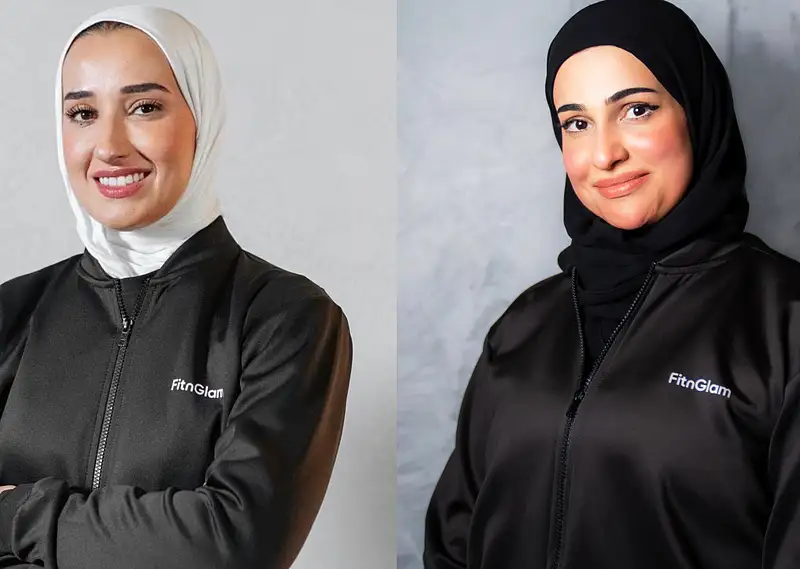
From a mother of three who found a new meaning in resilience to a trainer who began exercising in Grade 8, Fatma and Maryam are helping women see fitness as an investment for life
- PUBLISHED: Fri 18 Sept 2026, 10:36 AM


For Fatma Al Mansoori, strength once meant how much she could lift, how hard she could train and how far she could push her body. Motherhood changed that definition.
After becoming a mother of three, the Emirati fitness leader began to see strength in less visible ways in patience, resilience and the daily effort required to care for a family without losing sight of herself.
Recommended For You





Stay up to date with the latest news. Follow KT on WhatsApp Channels.

“Becoming a mother of three gave strength an entirely different meaning,” she said. “It became about resilience, patience, balance and learning how to continue showing up for myself while also being fully present for my family.”
Her journey from coach to fitness and wellness manager deepened that understanding. Physical ability remained important, but it became part of a wider picture that included energy, confidence and the mindset to take on challenges in every area of life.
“In many ways, I feel stronger now than I ever have before, not simply because of what I can do physically, but because of everything that strength now represents in my life,” she said.
Personal trainer Maryam Almheiri, whose relationship with exercise began when she was in Grade 8. What started as an interest in working out and making healthier choices gradually became a career dedicated to helping women develop strength and sustainable habits.
Together, the two women represent a growing generation of Emirati professionals who are not only participating in the country’s fitness sector but also helping shape how women experience it.
From ‘I can’t’ to ‘I can’
For Al Mansoori, one of the most rewarding parts of coaching is witnessing a change that cannot be measured on a scale.
It may begin with a woman completing her first push-up, lifting a weight she once believed was beyond her or crossing the finish line at her first competition. The achievement itself matters, but the language that follows can reveal an even bigger transformation.
“Gradually, the language changes from ‘I can’t’ to ‘I’ll try’, and eventually to ‘I can’,” she said.
That confidence rarely stays within the walls of a gym. Al Mansoori has seen women carry it into their careers, homes and everyday decisions. Completing a difficult workout can become proof that they are capable of facing other demanding situations.
The shift is especially significant in forms of training such as CrossFit and HYROX, which can appear intimidating to beginners because they are often associated with heavy weights, intense competition and elite performance.
Al Mansoori, who coaches both disciplines, said the image does not tell the full story. Movements, weights, pace and intensity can all be adapted to suit the individual.
“You don’t need to be fit before you start training,” she said. “You start training and your fitness develops from there.”
A coach’s role, she added, is not to make every session as difficult as possible. It is to find the right level of challenge so that each woman can progress safely and experience the satisfaction of completing something she may initially have doubted she could do.
Moving the focus away from weight
Almheiri is also working to change a deeply rooted idea that success in fitness is defined primarily by the number on the weighing scale.
Weight can fluctuate because of hormones, stress, sleep, hydration and the menstrual cycle, she tells her clients. Judging progress by that figure alone can hide meaningful improvements in strength, mobility, energy and confidence.
Instead, she encourages women to notice whether they are moving better, sleeping well, feeling more energetic or becoming stronger in daily life.
“When a woman understands her body better, she can work with it rather than becoming frustrated by it,” Almheiri said.
Her approach begins with listening. Before developing a programme, she considers a client’s age, lifestyle, health history, mobility, previous injuries and goals. Posture and movement assessments help identify where more support may be needed before training intensity increases.
“Training hard is important, but it means very little if you are not moving correctly,” she said. “When you learn to move well, you create a stronger foundation for everything else.”
The emphasis is on progress that can be maintained rather than a rapid, short-term transformation. Programmes evolve with the woman, recognising that her needs may change across different stages of life.
Both trainers work at FitnGlam, where their roles centre on building women’s confidence through personalised coaching and a supportive community.
Emirati women leading change
Al Mansoori’s contribution to the sector was recognised in 2025, when she was named Rising Star of the Year by REPs UAE. For her, the award reflected years spent coaching, learning and building communities, but it was not a finish line.
“It was encouragement to keep growing, contributing and challenging myself,” she said, adding that she hoped more Emirati women would see the industry as a place they could help lead.
She believes Emirati coaches bring an important perspective to the sector because they understand the culture and communities they serve. That understanding can help make fitness feel more accessible to women who may be hesitant to begin.
The environment matters. A supportive community, Al Mansoori said, is created by learning women’s names, celebrating a beginner’s first milestone as enthusiastically as an athlete’s personal best, and replacing comparison with encouragement.
Almheiri’s advice to young Emirati women is to see health as a form of self-investment rather than a temporary project centred on appearance.
“Becoming stronger can build confidence and independence and give you the energy to manage your responsibilities and pursue your ambitions,” she said. “Start with small, sustainable habits and build from there.”
For women who worry that they are too old, too busy or not fit enough to take the first step, Al Mansoori offers a simple reminder.
“Strength doesn’t have an age limit,” she said. “Sometimes, the strongest version of yourself isn’t the woman you used to be. It’s the woman you haven’t met yet.”


Ruqayya Alqaydi is an associate editor with an endless curiosity to learn. Like a journalist on a caffeine overdrive, she is fuelled by passion and on a mission to uncover every gem in the UAE.