E-Paper
 Sign In


It's not just kids: Parents may cry at school drop-off due to 'sense of grief'
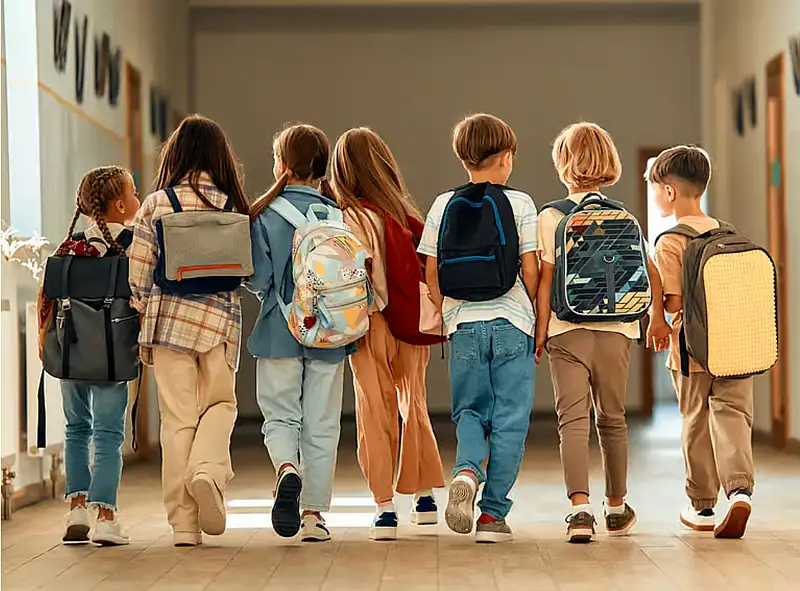
This parental anxiety is more common than parents are willing to admit, an expert said, adding that it is a normal adjustment reaction unless it becomes persistent
- PUBLISHED: Sat 12 Sept 2026, 6:00 AM UPDATED: Sat 12 Sept 2026, 7:57 AM


It is common to see young children crying when being dropped off at school for the first time. However, experts say sometimes it is not the children but the parents who cry.
Dubai mother Seema thought school drop-off was a breeze. Her firstborn didn't cry on her first day of school, and neither did she. But the moment she got back into the car with her husband, everything changed. "I felt my chest tightening and I couldn't breathe," she recalls. "I was fine while dropping her off, but the second I sat down, it hit me."
Recommended For You





Her husband bought her water and guided her through breathing techniques. She got through that first day. But for more than ten days afterward, every drop-off ended the same way — Seema sitting in the car, crying. That was a decade ago. Her daughter is now thriving, and two more children have since started school, without the same reaction.
Stay up to date with the latest news. Follow KT on WhatsApp Channels.
Why it happens
This parental anxiety is more common than parents are willing to admit, explained Dr Nada Omer, Consultant Psychiatrist at Burjeel Hospital, Abu Dhabi. "It is usually separation anxiety in both directions, not just the child's," she said. "For many parents, it can bring a sense of grief around a developmental milestone passing, such as realising that 'my baby is growing up.'"
She adds that it can also "trigger unresolved attachment patterns, or reflect exhaustion and emotional overload during a major transition." In most cases, she notes, it's a normal adjustment reaction unless it becomes persistent or affects daily functioning.
Preparing in advance
Asra Sawar, Clinical Psychologist at Aster Clinic, says preparation should start emotionally, not just practically.
"Parents can familiarise children with the school, teacher and routine, but they should also talk openly about what separation might feel like," she said.
Dr Nada suggested visiting the classroom beforehand, setting sleep routines one to two weeks early, and practicing short separations through playdates or time with grandparents. She also advised parents to process their own feelings. "Journaling or talking to another parent can help them process these emotions before they are standing at the school gate," she said.
Children absorbing emotions
Both experts agree on one thing: children absorb their parents' emotions. "Children are highly attuned to caregiver emotions, so an anxious parent can unintentionally reinforce a child's distress at drop-off," said Dr. Nada. Her advice to parents is simple: "Leave like you're sure, even if you don't feel sure."
Asra recommended a short, predictable goodbye ritual — a hug, one reassuring sentence, a clear goodbye. She also recommended validating children’s and parents’ feelings. She said: “Rather than saying, ‘there’s nothing to be scared of’, parents can say, ‘I know you’re nervous and you may miss me, but you are safe and your teacher will help you.’ That distinction is important, we validate the emotion without validating the fear as a reason to avoid school. Over time, the child learns, “I can feel nervous and still do this.”