 E-Paper
 Sign In





Watch: How Burj Sheikh Rashid was built; artists use rare photos, AI to recreate icon
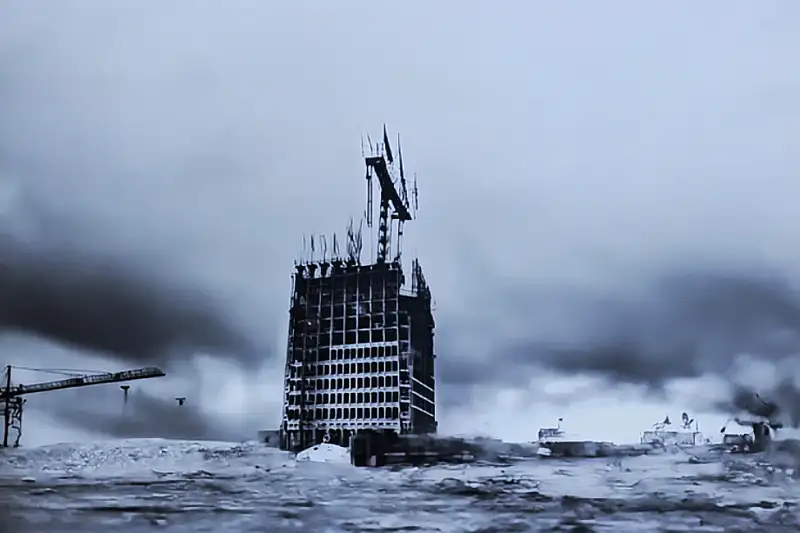
Before the skyline touched the clouds, with glass towers and futuristic designs, the Dubai World Trade Centre stood tall as the first skyscraper, a proud symbol of ambition and vision
- PUBLISHED: Thu 1 May 2025, 8:18 PM


Have you ever wondered what it took to construct the most memorable tower of Dubai, the Burj Sheikh Rashid, or as many know it, the World Trade Centre?
For those who grew up in Dubai, this tower isn’t just a building, it’s part of the city’s memory. Before the skyline touched the clouds, with glass towers and futuristic designs, the Trade Centre stood tall as the first skyscraper, a proud symbol of ambition and vision.
Recommended For You



Now, through the eyes and hands of many talented artists, that story is being brought back to life.
Stay up to date with the latest news. Follow KT on WhatsApp Channels.
As part of the Burj Rashid exhibition at Al Safa Art and Design Library — launched to mark the 45th anniversary of the tower’s inauguration — Dubai Culture has brought together nearly 30 artists to reinterpret and celebrate this iconic structure. The initiative is part of the Dubai Quality of Life Strategy, with support from the Sikka Platform.

But what makes this exhibition special is the way it mixes nostalgia with technology and memory with emotion.
WTC reborn through AI
Dr Ahmad AlAttar, founder of REALIITY and his colleague Mohamad Al Hamadi are two among the featured artists, used artificial intelligence to recreate what was never captured on film — a time-lapse of the tower’s construction.
“We have all seen time-lapse videos of Burj Khalifa being built,” he said. “But we never had that kind of footage for Burj Sheikh Rashid. So we decided to build it using AI.”
Dr Ahmad and his team collected photos of the tower in various stages, even rare images of Sheikh Rashid in planning meetings. Then, using four layers of AI tools, expansion, colourisation, upscaling, and animation, they stitched the images together to create a vivid, moving timeline of how the tower came to life.
“The result is one seamless video showing everything, from the earliest blueprints, to the half-finished structure, to how it stands today among Dubai’s ever-growing skyline,” explained Al Attar. “There’s no sound. It’s just visual and incredibly powerful.”
Memories woven in thread
Artist Sara Al Khayyal took a different, more subtle approach. She was drawn to the patterns of the tower, the ones you might miss unless you really look, and used them to spark a deeper conversation about memory.
“Growing up, I always knew it was an important building,” she said. “But I had no memory of it being built. So I asked myself, how can I connect with something I never experienced firsthand?”
Her artwork is a beautiful mix of embroidered thread on mesh, layered with engraved acrylic. From the top, the two layers align perfectly, but on a closer look, there’s a slight misalignment. And that’s intentional.
“It reflects how our memories work,” said Al Khayyal. “At first, they are vivid and accurate. But over time, they stretch and blur. You try to recall every detail, but you never quite can. And that’s okay.”
Sara’s piece focuses on the tower’s intricate façade, the familiar geometric design that gave it such character, and invites viewers to connect their own stories to its windows, shape and presence.
The Burj Rashid exhibition isn’t just a walk down memory lane, it’s an experience that invites residents, both old and new, to reconnect with the roots of the city they call home. It reminds us that long before Dubai was known for its superlatives, there was a quiet confidence rising in the form of a single tower.
The exhibition runs until May 2 at Al Safa Art and Design Library, and is open to the public. Whether you are an art lover, a history buff, or simply someone who calls Dubai home, it’s worth a visit.



SM Ayaz Zakir is a Senior Correspondent with a flair for extraordinary stories. His playground? Every corner of the UAE. He often ventures into remote corners of the country to capture compelling news and human interest stories.