 E-Paper
 Sign In





The enduring power of gold: Tradition, beauty and lasting value
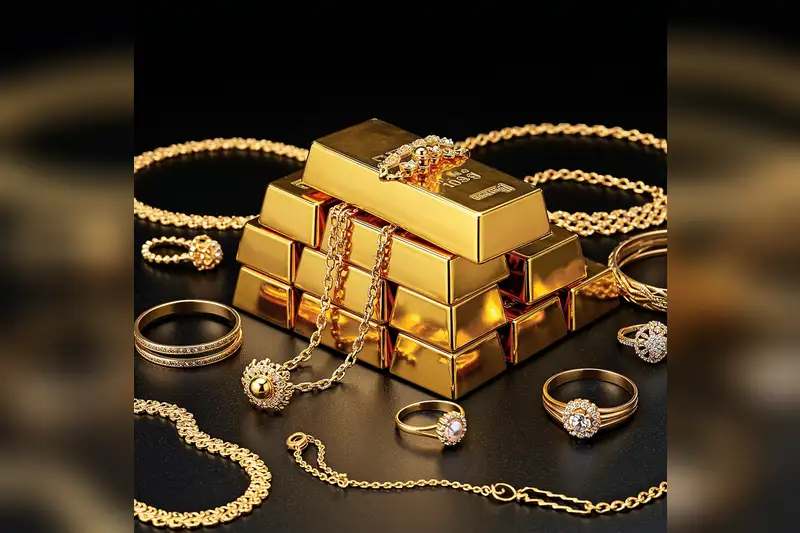
From age-old traditions to evolving jewellery preferences, gold remains a symbol of prosperity and new beginnings
- PUBLISHED: Wed 4 Nov 2026, 10:30 AM


For many families, Diwali shopping is not complete without a visit to the jeweller. Some return to the same store they have visited for years, while others spend time comparing designs and prices before choosing a piece of gold. The purchase might be a simple coin, a pair of earrings or a necklace, but the occasion behind it is what makes it special.
Buying gold during Diwali, particularly on Dhanteras, is a custom that has been followed for generations. It is closely tied to the belief that bringing gold into the home during this period invites prosperity and good fortune. In many households, the tradition is observed every year, even if the purchase is a small one. And while gold prices, jewellery designs and shopping habits have changed considerably over the years, Dhanteras continues to be an important date on the festive shopping calendar.
Recommended For You




Why gold holds such importance during Diwali
Dhanteras marks the beginning of the five-day Diwali festival and is regarded as an auspicious occasion for purchasing gold, silver and household utensils. The word Dhan means wealth, while Teras refers to the thirteenth lunar day on which the festival falls.
The day is associated with Lord Dhanvantari, the deity of health and Ayurveda, and with prayers to Goddess Lakshmi for wealth and prosperity. It is customary for many families to purchase something new on Dhanteras, with gold being among the most preferred choices. The practice has continued across generations, often becoming a family ritual. In some homes, buying a gold coin every Dhanteras is almost as customary as lighting diyas or preparing festive sweets. Others use the occasion to purchase jewellery they have been considering for some time.
The World Gold Council identifies Dhanteras as one of the most auspicious occasions for buying gold in India, with religious festivals continuing to influence the country's jewellery demand.
There is also a practical reason behind gold's longstanding popularity. Unlike many other festive purchases, gold has a value beyond the occasion on which it is bought. Jewellery can be worn for years, gifted to family members or passed down to the next generation. Although gold prices fluctuate, its ability to be kept and exchanged has made it an important possession in many households.
For families, however, the value of gold is not always measured in money. A pair of bangles bought during a daughter's first Diwali, a necklace gifted by a parent or a coin purchased after moving into a new home can become a reminder of that particular celebration. This is also why gold continues to be a popular Diwali gift. It is something the recipient can keep long after the festive season has ended, rather than a present that is used once and forgotten.
For Indians living in the UAE, Dhanteras shopping is one of the many traditions that remain part of celebrating Diwali away from home. The country's jewellery stores offer everything from traditional Indian designs to contemporary pieces, giving families plenty of choice when making their festive purchases.
What has changed about Diwali gold shopping?
Although the custom remains familiar, the choices available to shoppers are very different today.
Elaborate gold necklaces, bangles and traditional jewellery sets continue to have their place, particularly among families planning weddings or other celebrations. But not everyone buying gold on Dhanteras is looking for a statement piece.
A lightweight chain, a small pendant or a simple ring may be more appealing to someone who wants jewellery they can wear regularly. Gold coins are another option, particularly for shoppers who prefer to make a purchase on the auspicious day without choosing a specific jewellery design.
Price is also becoming a bigger consideration. With gold trading at elevated levels in recent years, shoppers are paying closer attention to how much they are spending and what they are getting for their money. The World Gold Council's research on the Indian gold market in 2026 points to greater price sensitivity among consumers, with buyers considering exchange offers, discounts and payment options.
For Diwali shoppers, this can mean choosing lighter jewellery, purchasing a smaller gold coin or exchanging an older piece for something new. It also means that making charges and the final bill deserve as much attention as the design itself. The custom of buying gold on Dhanteras does not require a large purchase. For many households, a modest amount is enough to observe the occasion, particularly when there are other festive expenses to consider.
Buying Gold This Diwali?
Here's What to Know
With a wide range of festive collections, special offers and jewellery designs available, Diwali is an ideal time to explore different options. Keeping a few important factors in mind, from gold purity to making charges, can help shoppers make informed choices and find the right piece for the occasion.
Start with purity: Gold is sold in different carats, and the difference matters. While 24-carat gold is commonly used for coins and bars, 22-carat gold is a popular choice for traditional jewellery. It contains approximately 91.7 per cent gold, while 18-carat gold contains 75 per cent and is frequently used for jewellery featuring diamonds and other gemstones. Shoppers should also check the purity marking and relevant certification rather than relying only on offer.
Pay attention to making charges: The gold rate displayed at a jewellery store is not necessarily the price a customer will pay for a finished piece. Making charges are added to cover the work involved in producing jewellery, and these can vary from one design or retailer to another. A necklace with intricate detailing may carry higher charges than a plain chain of the same gold weight. During Diwali, some jewellers offer reductions on these charges, so it is worth comparing the actual savings before making a decision.
Ask for the full price: A clear invoice should show the gold weight, purity, making charges, any stones included and applicable taxes. This is particularly important when comparing jewellery from different stores, as two pieces that look similar may have very different final prices.
Check exchange conditions: Diwali is also a time when some families bring older jewellery to stores to exchange it for new designs. Before agreeing to an exchange, ask how the old gold will be valued, whether any deductions apply and what additional charges will be payable.
The same applies to buyback policies. Keeping the original invoice and certificates can be helpful if the jewellery is exchanged or sold in the future.
For shoppers considering gold coins on Dhanteras, it is worth comparing the price above the underlying gold value, as well as the retailer's resale conditions. Coins may have fewer design-related costs than jewellery, but they can still carry premiums.