 E-Paper
 Sign In


From prediction to prevention: The GCC’s healthcare evolution
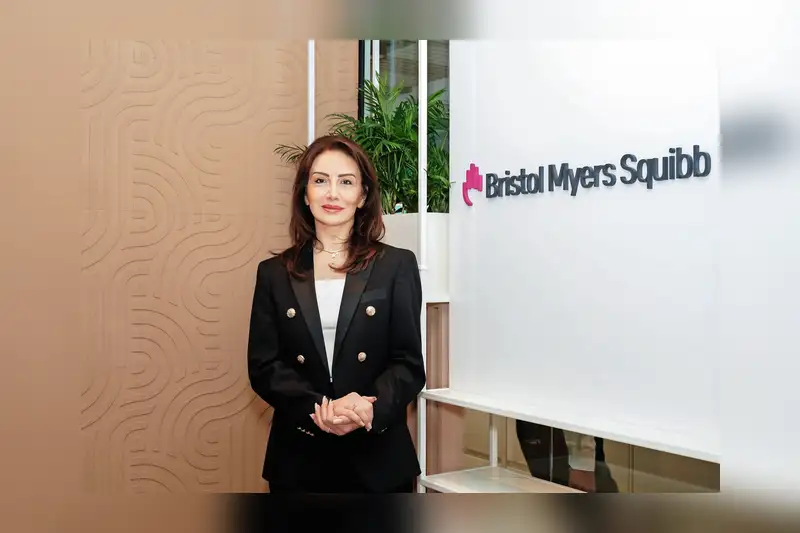
At the Abu Dhabi Future Health Summit 2026, Mayada Al Ahmad, General Manager GCC at Bristol Myers Squibb, shared her perspective on how the GCC can move from responding to disease to anticipating it, and what it will take for that shift to make a real difference to patients
- PUBLISHED: Wed 21 Oct 2026, 2:52 PM


For much of its history, healthcare has been built to respond to illness once it appears. A new model is now emerging, one in which health systems can anticipate disease and act before it takes hold.
For Mayada Al Ahmad, General Manager GCC at Bristol Myers Squibb (BMS), the UAE is helping to lead this shift. She credits the country’s leadership and health authorities with consistently being at the forefront of scientific innovation and placing health and wellbeing at the centre of the national agenda through bold investments in healthcare, research, genomics, digital health and AI.
Recommended For You





This vision is reflected in the summit’s theme, "To Sense is to Predict," which she sees as a challenge to the entire healthcare community to rethink how care is delivered and how patient outcomes can be improved.
"The real opportunity is not simply predicting disease; it is acting earlier," she says. Turning that ambition into meaningful benefits for patients, however, requires integrating advanced technologies into everyday clinical practice.
She sees considerable potential in genomic screening. By identifying inherited risks, genetic mutations and disease predispositions earlier in the patient journey, it can support earlier diagnosis and more personalised care.
For patients living with rare genetic conditions, this could help shorten what can sometimes be a lengthy journey towards an accurate diagnosis. In oncology, understanding a patient’s genetic profile alongside the characteristics of their disease can help physicians identify more appropriate therapies.
The opportunity, she says, lies in connecting genomic information with clinical records, diagnostic testing and real-world evidence, while equipping healthcare professionals with the expertise to act on these insights. "AI can support this shift by analysing health records, imaging, laboratory results and genomic data together, helping identify patterns that may not be immediately visible to clinicians."
Mayada points to BMS’s collaboration with Microsoft involving AI-assisted detection of difficult-to-identify lung nodules as an example of how technology can support earlier intervention.
Beyond diagnosis, AI has the potential to support clinical-trial recruitment, research design and the assessment of treatment outcomes. But she stresses that these tools must be accurate, relevant and equitable for GCC populations.
While the region has demonstrated its ability to adopt global medical advances rapidly, Mayada believes its next opportunity is to contribute more directly to scientific discovery.
"The next ambition is for the region to become a co-creator of innovation and a contributor to the science that shapes the future of healthcare."
Clinical research is central to achieving this ambition. With BMS conducting trials in the UAE and Saudi Arabia, greater regional participation can help expand opportunities for patients to participate in research while contributing evidence that better reflects local populations.
Sustaining this progress, she notes, will require continued investment in research infrastructure, scientific talent and collaboration between governments, academic institutions and industry.
Equally important is ensuring that innovation reaches patients in a timely way. The GCC has made significant progress in accelerating regulatory pathways, and the next opportunity is to ensure that patient access pathways continue to evolve alongside them.
For Mayada, collaboration must ultimately translate into impact for patients. "The success of any partnership should be measured by its real-world impact: are patients receiving innovation sooner, are outcomes improving, and is the healthcare experience getting better?" she says.
As the Abu Dhabi Future Health Summit 2026 brings these stakeholders together, the GCC has an opportunity to move beyond adopting innovation to actively shaping it, towards a more predictive, personalised and patient-centred future for healthcare across the region.