 E-Paper
 Sign In





Diwali: Keeping the light of tradition alive
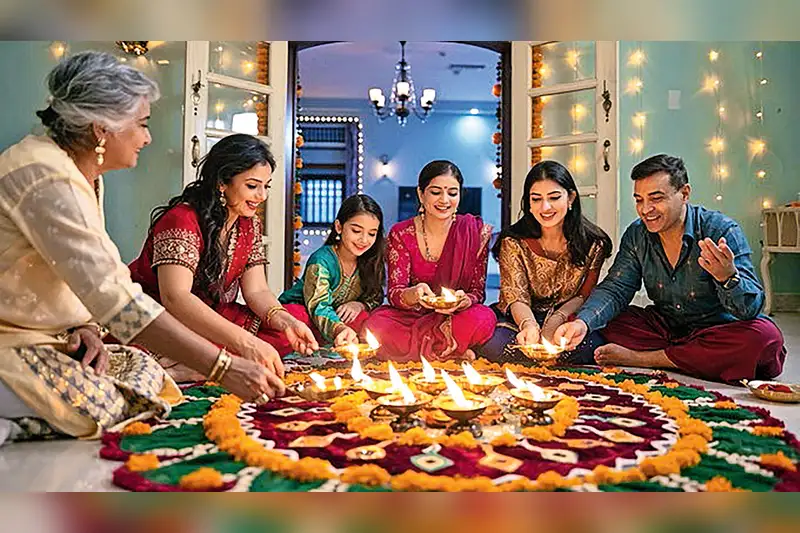
From its rich traditions and festive rituals to the joy of celebrating with loved ones, discover what makes Diwali one of the most cherished festivals of the year
- PUBLISHED: Wed 4 Nov 2026, 7:30 AM UPDATED: Sat 7 Nov 2026, 9:18 AM


The glow of diyas, the colours of rangoli, the smell of freshly prepared sweets and the excitement of family gatherings — Diwali has a charm of its own. It is a time when homes are decorated, new clothes are brought out, gifts are exchanged and families come together to celebrate one of the most eagerly awaited occasions of the year.
While the festivities have evolved over the years, Diwali continues to bring people together through customs passed down for generations. Observed by millions of people across India and around the world, the occasion is much more than a festival of lights. Its stories and rituals reflect centuries of history and cultural heritage, making it one of the most meaningful occasions in the Indian calendar.
Recommended For You





The Story Behind the Festival of Lights
The name Diwali comes from the Sanskrit word Deepavali, meaning a row of lights. The festival symbolises the triumph of light over darkness, good over evil and knowledge over ignorance.
One of the most popular stories associated with Diwali comes from the Hindu epic Ramayana. According to tradition, Lord Rama returned to Ayodhya with his wife Sita and brother Lakshmana after spending 14 years in exile and defeating the demon king Ravana. The people of Ayodhya are believed to have welcomed their return by lighting rows of oil lamps, a custom that remains closely associated with Diwali today.
The festival is also dedicated to Goddess Lakshmi, who represents wealth, prosperity and good fortune. Families offer prayers to seek her blessings for happiness, success and new beginnings.
However, Diwali is not celebrated for the same reason everywhere. India's cultural diversity means that the festival carries different stories and significance across regions.
In West Bengal, Kali Puja is an important part of the occasion, with devotees worshipping Goddess Kali. In parts of southern India, celebrations are associated with Lord Krishna's victory over Narakasura. For Jains, Diwali marks Lord Mahavira's attainment of liberation, while Sikhs observe Bandi Chhor Divas around the same period to commemorate the release of Guru Hargobind. Although the stories differ, the message of hope, renewal and the victory of good remains a common thread.
Five Days of Traditions and Celebrations
Diwali is traditionally celebrated over five days in many parts of India, with each day carrying its own significance.
The festivities begin with Dhanteras, an auspicious occasion associated with prosperity and good fortune. Many families mark the day by purchasing gold, silver, jewellery or household items, a custom believed to welcome prosperity into their lives.
The second day, often known as Choti Diwali or Naraka Chaturdashi, is associated with preparations, prayers and regional customs.
The main day of Diwali is when celebrations reach their peak. Homes are illuminated with diyas and decorative lights, families dress in traditional attire and prayers are offered to Goddess Lakshmi and Lord Ganesha. It is also a time for exchanging gifts, sharing sweets and enjoying festive meals.
The following day is observed as Govardhan Puja in many communities, while Bhai Dooj, celebrated on the fifth day, honours the special bond between brothers and sisters.
A Celebration That Continues Through Generations
One of the most interesting aspects of Diwali is how it has continued to evolve while retaining its traditional significance. Today, celebrations may include contemporary decorations, personalised gifts, festive parties and modern fashion alongside familiar customs. Younger generations often bring their own ideas to the occasion, whether through creative rangoli designs, new festive recipes or different ways of gathering with friends and family.
Yet many of the simplest traditions remain unchanged. Lighting diyas, offering prayers, preparing sweets and seeking blessings from elders continue to hold an important place in households.
Diwali is also an occasion for fresh beginnings. For many families, it is a time to reflect on the year, express gratitude and strengthen relationships. Above all, the festival continues to celebrate the values of generosity and togetherness, with its message of hope and prosperity remaining just as relevant today.


As a passionate storyteller and content writer, Kushmita Bose loves weaving narratives that inform, inspire, and entertain. Whether she's unraveling tech revolutions, dissecting industry reports, or bringing a brand’s journey to life, Kushmita thrives on transforming ideas into captivating stories. When she’s not busy crafting content, you’ll probably find her daydreaming about her next travel adventure.