 E-Paper
 Sign In


Moira Forbes on Media’s Next Chapter: Credibility and Community Take the Lead
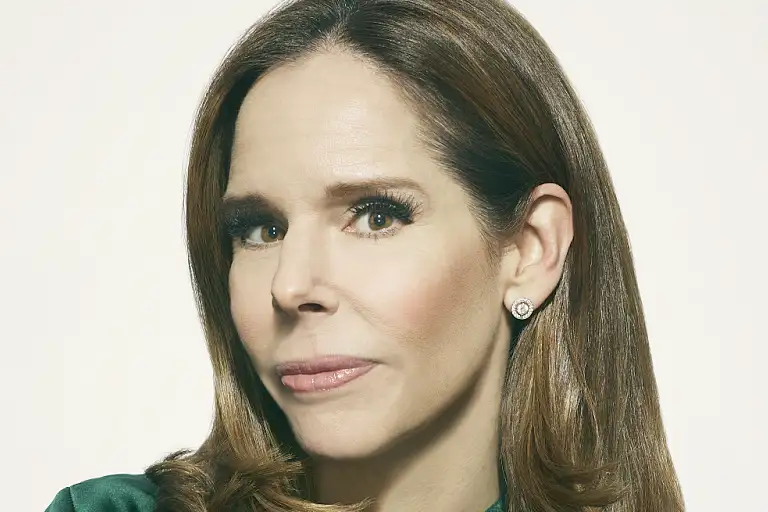
As technology reshapes information, trust and audience connection redefine media’s value
- PUBLISHED: Mon 7 Jul 2025, 11:37 AM


The media world has undergone a fundamental transformation. Breaking news – once the industry's ultimate prize – has been displaced by two elements that now command premium: trusted voices that create clarity from chaos, and engaged communities where audiences actively participate rather than passively consume. This shift from valuing speed to valuing curation and community represents nothing less than a complete reordering of media's hierarchy of value.
For decades, major news organizations competed primarily on speed and exclusivity. First to publish, first to broadcast, first to alert. That competition made sense when information was scarce and distribution channels limited. But technological forces have completely upended this equation. Social media has democratized content creation, turning billions into potential publishers. Search engines have made virtually all recorded knowledge instantly accessible. And artificial intelligence now enables content generation at unprecedented scale. These technologies have created not just algorithms for distribution but entirely new ways of discovering, consuming, and engaging with information.
Recommended For You





This information abundance has brought tremendous benefits – greater access to knowledge, more diverse perspectives, and unprecedented opportunities for connection. Yet it has also created new complexities. As content proliferates across platforms, audiences increasingly struggle to distinguish credible information from noise and seek meaningful dialogue rather than endless streams of disconnected updates.
For established media brands, this new reality presents both opportunity and risk. Institutional reputation alone no longer guarantees audience attention. Yet organizations with demonstrated records of accuracy and insight possess invaluable credibility in a fragmented landscape. Their task is leveraging that credibility while building genuine communities around their expertise.
The media hierarchy has also fundamentally flattened. Independent voices with distinctive expertise, authentic perspective, or unique access now attract loyalty once reserved for major institutions. These creators succeed not through distribution scale but through perceptive analysis and direct audience relationships. Their ascendance requires established organizations to articulate value beyond their brand name, as audience loyalty no longer is exclusive to institutional identity.
Geography adds another dimension to this transformation. While audiences access global information streams, they still seek perspectives that understand their specific cultural context. This creates opportunities for media that successfully bridge international perspective with local relevance.
Artificial intelligence amplifies rather than diminishes the importance of human expertise. As AI makes basic content production effortless, human judgment becomes exponentially more valuable. While algorithms excel at information processing, they struggle with discernment, ethical reasoning, and contextual understanding – precisely what audiences increasingly seek. Similarly, while technology facilitates connection, meaningful community requires human guidance.
Credibility and community have become the twin pillars of media value, each reinforcing the other. Trusted curation attracts audience participation; community engagement strengthens loyalty. Audiences increasingly value sources that expertly filter what matters and this shift fundamentally changes how they evaluate information sources. The question is no longer "Who's first?" but "Who makes sense of what matters?" In this new landscape, those who deliver both trusted guidance and meaningful connection will define media's next chapter.

Moira Forbes is the Executive Vice President of Forbes, one of the world’s largest media brands, where she is responsible for driving new business initiatives across the company’s diverse media platforms and branding Forbes events worldwide. Today, Forbes, which is synonymous with “success” in almost every country around the world, engages 140 million people across every platform every month – the most in its 104-year history. Moira also serves as the President and Publisher of ForbesWomen, a multi-media content channel dedicated to successful women in business and leadership which she founded in 2007. She oversees Forbes’ annual list of the World’s Most Powerful Women and launched the annual Power Women’s Summit in 2013. Across Forbes’ global editorial platforms, Moira convenes preeminent thought leaders for timely perspective and analysis around today’s most critical issues. She hosts Success with Moira Forbes, an interview series spotlighting dynamic changemakers and industry innovators, as well as The Takeaway, a new simulcast series exploring how top minds are navigating defining times and what’s ahead in their industries. Moira is a Governing Trustee of the Dana Farber Cancer Institute and serves on the Board of Trustees for the St. Andrews School. She currently lives in New York City with her two sons.