 E-Paper
 Sign In


UAE, Oman finances strengthen as high oil prices offset regional conflict impact
Higher oil and gas prices are more than offsetting disrupted exports in the UAE and Oman, but Qatar, Kuwait, Bahrain and Saudi Arabia face a sharper fiscal squeeze this year
- PUBLISHED: Mon 21 Sept 2026, 7:51 AM


The UAE and Oman are on course for stronger government finances this year despite the US-Israel-Iran war, as higher energy prices more than offset the impact of disrupted exports, according to Capital Economics.
The picture is weaker elsewhere in the Gulf.
Recommended For You





Compared with last year, budget balances are expected to worsen by about 2 per cent of GDP in Saudi Arabia, about 5 per cent in Kuwait and Bahrain, and by as much as 10 per cent in Qatar, William Jackson, chief emerging markets economist at Capital Economics, said in a note.
Stay up to date with the latest news. Follow KT on WhatsApp Channels.
Oil prices were trading around $100 a barrel on Monday morning. Brent crude had surpassed $110 a barrel after the outbreak of the Middle East war, reaching a high of $114 on May 4 due to supply constraints following the closure of the Strait of Hormuz.
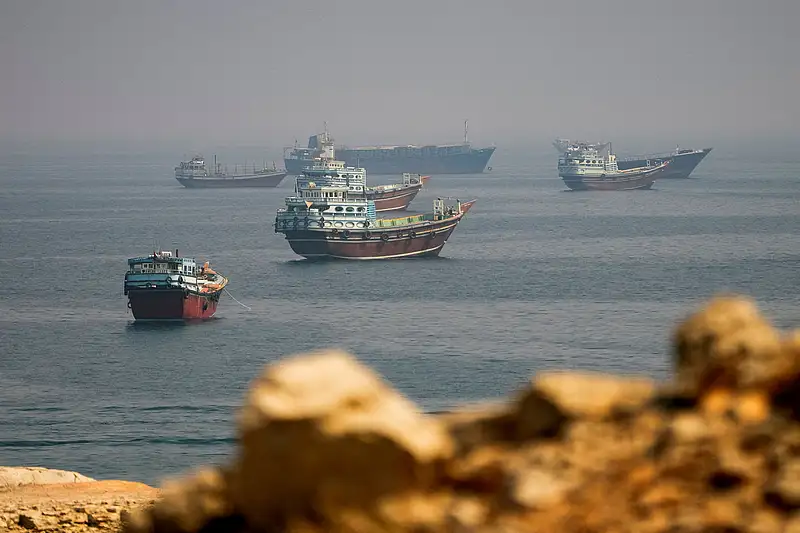
Trade and energy supplies through the Strait of Hormuz – a vital maritime chokepoint located between the Arabian Gulf and the Gulf of Oman – remain severely disrupted due to Iranian attacks on vessels. Oil tankers and other vessels have been damaged in Iranian attacks, resulting in casualties.
The Capital Economics projections assume that disruption to energy exports will continue until early next year. Jackson noted that estimates are hampered by limited fiscal data and a lack of transparency on government spending plans in the region.
UAE and Oman are cushioned
The change in each country’s budget balance closely tracks its ability to export oil.
Capital Economics estimates that balances have improved in the UAE and Oman because higher energy prices have more than offset the limited disruption to export volumes.
Qatar, Bahrain and Kuwait are in a different position. They are far more reliant on the Strait of Hormuz to export oil and gas.
The UAE’s oil output increased after it exited the Opec oil group earlier this year, giving it an opportunity to accelerate investments in the hydrocarbon sector. Higher output amid rising oil prices has improved the UAE and Oman’s fiscal balances.
In addition, the UAE’s strong foreign exchange reserves and sovereign wealth funds shield it from regional or global financial impacts.
Bearing the brunt
Capital Economics estimates that the fiscal hit has been largest in Qatar, which depends on liquefied natural gas (LNG) exports. Unlike oil, LNG cannot be shuttled through the Strait or diverted via pipelines. Qatar’s hydrocarbon revenues fell 97 per cent year on year in the second quarter, according to budget data.
Kuwait and Qatar hold extremely large savings, allowing them to finance shortfalls for some time. Kuwait recently passed a law allowing the government to borrow from the Future Generations Fund, the largest fund managed by the Kuwait Investment Authority.
Bahrain is more exposed, with limited savings and a much higher debt burden. The key question is whether it can continue counting on financial support from the rest of the Gulf, as it received from the UAE in April, to avoid a currency devaluation and a likely sovereign default, Capital Economics said.
Saudi Arabia in the middle
Saudi Arabia’s exports via the Red Sea have cushioned the impact on its finances, but the forecast hinges on disruption to the East-West pipeline being limited.
If the pipeline were closed for the rest of the year, the deficit would be about 1.5 per cent of GDP larger, Jackson said.
Capital Economics’ base case is that the deficit widens only modestly, and the government has successfully issued bonds to finance the shortfall. The bigger issue is that the deficit was already large before the energy shock, which points to a rising public debt-to-GDP ratio and a higher risk premium on Saudi assets.
