 E-Paper
 Sign In


UAE-India trade hits $100 billion 5 years ahead of target as CEPA network expands
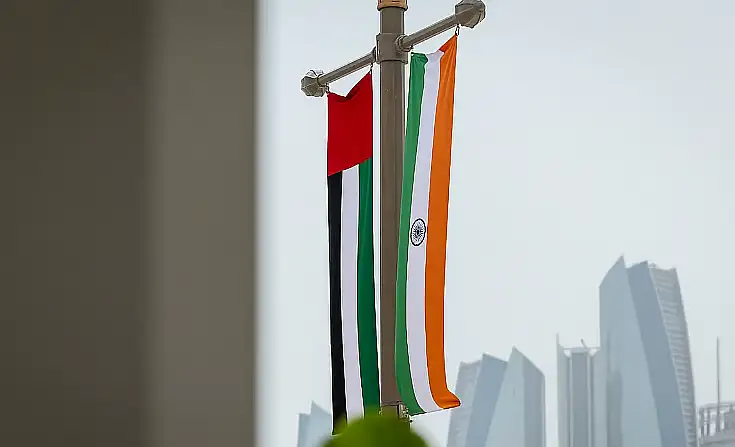
The India deal is one of 27 CEPA agreements currently signed, with several already in force and others pending implementation
- PUBLISHED: Thu 1 May 2025, 10:54 PM


The UAE has reached a $100-billion trade milestone with India five years ahead of its target, UAE Minister of State for Foreign Trade revealed on Thursday during a panel discussion on economic diplomacy.
“We had aimed to reach that by 2030, but we did it by 2024,” said Dr Thani Al Zeyoudi, describing the achievement as a direct result of the Comprehensive Economic Partnership Agreement (CEPA) signed with India in 2022. That agreement was finalised in a record 88 days — a stark contrast to the years-long timelines typical of major trade negotiations.
Recommended For You




“Based on their (India’s) figures, since April 2024 until March this year, we exceeded $100 billion for both oil and non-oil sectors,” he elaborated after the panel.
Minister Al Zeyoudi was speaking during a panel discussion following the release of the UAE Economic Diplomacy Report 2024–2025. The report was prepared by the Anwar Gargash Diplomatic Academy to serve as a reference for UAE diplomats across the world.
Stay up to date with the latest news. Follow KT on WhatsApp Channels.
The India deal is one of 27 CEPA agreements currently signed, with several already in force and others pending implementation. “There is a complete plan,” Al Zeyoudi said. “By the end of this year and into next year, we expect to reach 40 to 45 agreements.”
The CEPA framework focuses on eliminating economic barriers such as tariffs and restrictive import regulations, unlocking trade and investment flows in both oil and non-oil sectors. These agreements are not only boosting volumes but are also helping shape the UAE’s diversification strategy, with new investments targeting sectors like AI, clean energy, and advanced manufacturing.
Another key takeaway from the discussion was the role of the private sector in shaping national policy — particularly the UAE’s approach to talent and capital attraction.

“Direct conversations with the private sector helped us reform our residency regulations,” Al Zeyoudi said. The changes, designed in coordination with business leaders, aim to accommodate the needs of high-net-worth individuals, entrepreneurs, and their families.
The UAE’s model of economic diplomacy, built on agility and public-private cooperation, is also influencing its engagement with traditional partners like the United States and the European Union. While economic ties with the US remain strong, Al Zeyoudi acknowledged growing global protectionism, citing newly imposed US tariffs as a concern. “These challenges also create opportunities,” he said, referencing one of the report’s core recommendations: transforming global economic headwinds into innovative, competitive strategies.
Minister of State at the Ministry of Foreign Affairs, Ahmed Al Sayegh, also weighed in during the panel, addressing the complexity of negotiating trade deals with multilateral blocs. He noted that discussions with the European Union are underway, but added, “A union is not a single country,” and explained that such agreements require diplomatic presence, political will, and detailed sectoral coordination.
Al Sayegh also highlighted the UAE’s long-standing principle of remaining open to the world despite increasing global economic nationalism. He emphasised that resilience, flexibility, and readiness remain key pillars of the UAE’s foreign policy and economic engagement strategy.
With new CEPA agreements on the horizon and a growing role for economic diplomacy in foreign affairs, the UAE is positioning itself not just as a regional trade hub, but as a global player in navigating and shaping the future of international commerce, concluded the panelists.
