 E-Paper
 Sign In


UAE fuel prices: Oil hits $107 ahead of October rates announcement
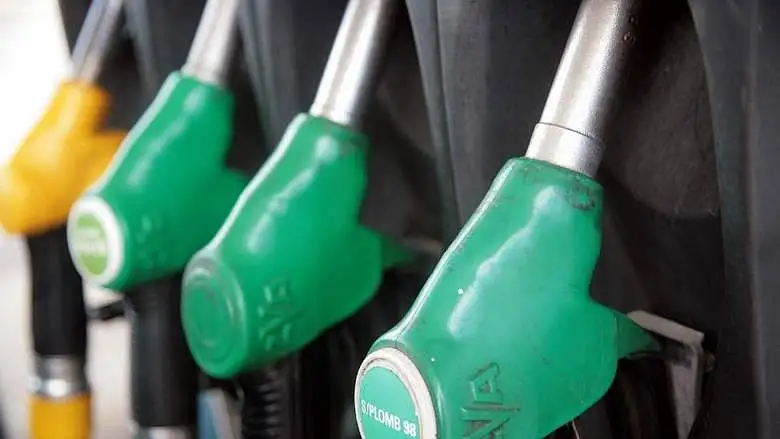
Motorists across the UAE will learn tomorrow what they will pay at the pump, with global oil markets on edge over the US-Israeli war on Iran and the future of shipping through the Strait of Hormuz
- PUBLISHED: Tue 29 Sept 2026, 11:10 AM UPDATED: Tue 29 Sept 2026, 11:13 AM


Oil prices rose to around $107 a barrel on Tuesday, extending gains for a second successive session, just a day before the UAE announces its revised monthly fuel prices.
Brent crude futures for November rose 1.6 per cent to $107 a barrel, while WTI gained 1.41 per cent to $93.81 a barrel on Tuesday morning, as lingering concerns over Middle East supply disruptions due to the US-Israeli war on Iran outweighed signs of recovering crude exports from the region.
Recommended For You





Stay up to date with the latest news. Follow KT on WhatsApp Channels.
Fuel prices in the UAE are typically reviewed each month in line with movements in global oil benchmarks. For October, UAE fuel prices will be announced on Wednesday, September 30, in line with global oil prices.
For September, the UAE Fuel Price Committee increased retail prices by around Dh0.20, pricing Super 98, Special 95 and E-Plus 91 at Dh3.80, Dh3.69 and Dh3.61 a litre, respectively.
Fuel prices hit an all-time high in 2024, when prices in the UAE crossed Dh4 a litre following the Russia-Ukraine war.
Ongoing US-Iran tensions and the closure of the Strait of Hormuz are keeping oil prices elevated, with crude prices trending higher in September 2026 than in the previous month.
Naeem Aslam, CIO at Zaye Capital Markets, said Brent crude has moved back towards $106-$107 per barrel as uncertainty surrounding US-Iran negotiations and Middle East supply remains unresolved.
“Higher oil prices create a difficult combination for both sides of the Atlantic: they support energy shares, but they also increase inflation expectations, corporate transport and manufacturing costs, and pressure on household spending,” he said.
Norbert Rücker, head of economics and next-generation research at Julius Baer, said the spike in fuel prices since the summer is making consumers and politicians uneasy.
“The US government is openly pondering export restrictions on diesel fuel as a measure to cool prices. Whether this becomes the next plot of the US trade saga remains unclear, but the oil market would likely find its way around it with less pain than feared. The greater challenge is finding reasons for the fuel price spike since the summer given that US diesel storage has not tightened since then, fuel supplies in Europe and Asia appear to be ample, and oil product exports out of the Middle East and Asia are picking up. Nevertheless, the supply scarcity narrative at play is exceptionally strong and is dominating everything else in the markets. For the time being, oil seems to be trading in a phase that is defined by fear and risk premia. We stick to our cautious view,” he said.
Moreover, there is a new scare in oil markets.
“The strong surge in fuel prices since the summertime has led to an open debate within the US government about trade restrictions. The surge in US crude oil and oil product exports has been one of the various pieces of the greater puzzle of the oil market’s resilience. However, since early summer, US oil exports have dropped back to almost pre-crisis levels. This fits with the broader challenge: the oil product surge since the summer is difficult to explain by looking at fundamentals. US gasoline, particularly diesel supplies, are indeed tight, but their deficit has not grown since the summer,” added Rücker.
