 E-Paper
 Sign In





UAE capital markets stay resilient as number of licensed firms jumps 43%
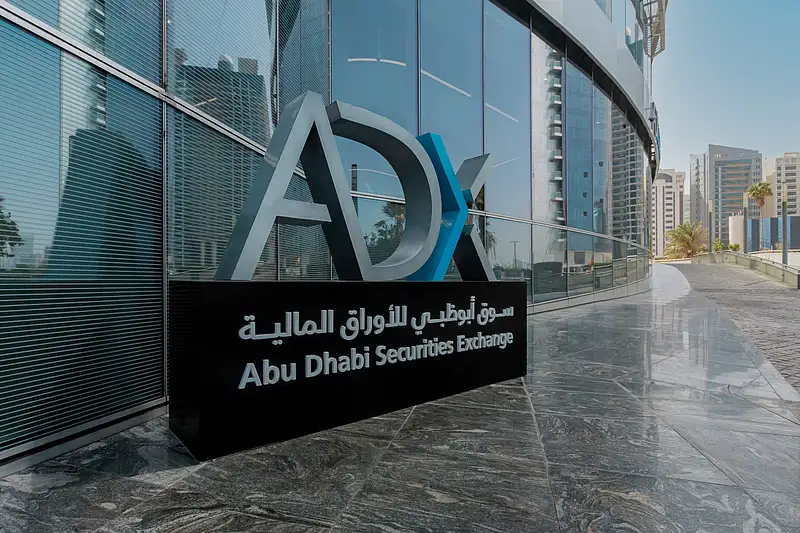
The Capital Market Authority says the number of accredited professionals rose 64% year-on-year, while financial penalties climbed 246% and Dh1.2 billion was refunded to clients
- PUBLISHED: Mon 26 Oct 2026, 12:50 PM


The number of companies licensed by the UAE Capital Market Authority (CMA) rose 43 per cent year-on-year in the first nine months of 2026, as the regulator reported resilient market performance and tougher oversight.
The number of accredited professionals also increased by 64 per cent, reflecting the continued expansion of the country’s regulated financial services ecosystem, the CMA said on Monday.
Recommended For You




Stay up to date with the latest news. Follow KT on WhatsApp Channels.
The combined market capitalisation of the Abu Dhabi Securities Exchange (ADX) and Dubai Financial Market (DFM) stood at Dh3.7 trillion at the end of September. Total traded value reached Dh408 billion over the nine months, with foreign investors accounting for 49 per cent.
Both the ADX and DFM general indices closed September higher than a year earlier, and market volatility eased during the third quarter, the CMA said.
Bond and sukuk issuances totalled Dh576 billion during the period. Companies completed about Dh3.4 billion in capital increases.
The investment funds sector also expanded. The number of local funds rose 94 per cent to 97, while their assets under management grew 30 per cent to Dh28.6 billion.
Enforcement and investor protection
The CMA stepped up enforcement during the period. The number of financial penalties imposed rose 246 per cent year-on-year, while their total value increased 23 per cent to Dh12.9 million. Warnings issued jumped 767 per cent.
Complaints handled rose 192 per cent. About Dh1.2 billion was refunded to clients, compared with Dh8 million in the same period of 2025.
The period marked the implementation of Federal Decree-Laws No. 32 and 33 of 2025, which came into force on 1 January 2026. The laws enhance the CMA’s regulatory independence, supervisory powers and mechanisms for investor protection and market stability.
The authority issued six regulatory instruments during the nine months. These included the Virtual Assets Regulatory Framework, Basel III-aligned capital requirements for licensed firms and expanded flexibility in the use of collateral. Seven further legislative proposals are in progress, and a consultation paper on corporate governance disclosure has been issued.
Under the virtual assets framework, 102 virtual assets were registered for admission to trading through the CMA’s new digital service in the third quarter.
“Despite the challenges faced by global financial markets in 2026, the UAE’s capital markets continued to demonstrate resilience and adaptability, underpinned by strong regulatory foundations and advanced infrastructure,” said Waleed Saeed Al Awadhi, CEO of CMA.
He added that the growth in licensed companies and continued capital raising reflected the strength of the markets and their capacity to support economic activity. “Looking ahead, we aim to further enhance their competitiveness and reinforce the UAE’s position as a trusted destination for long-term investment,” he said.
Al Awadhi said the CMA’s focus is on a more proactive and efficient supervisory approach, stronger investor protection and market transparency, and the use of advanced technologies to support responsible innovation.
