 E-Paper
 Sign In





Tokenising cow payments? How innovation reaches even the most remote locations
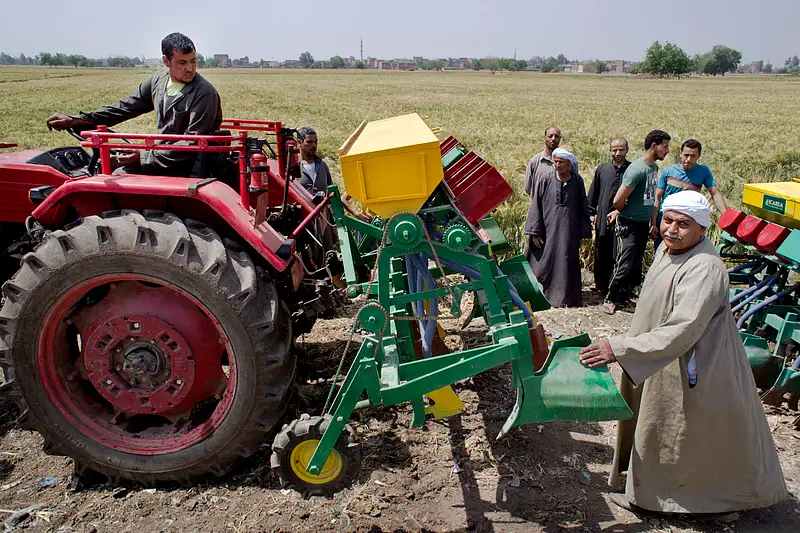
Tokenised farmland is the representation of agricultural land ownership as digital tokens on a blockchain, that some countries are experimenting with
- PUBLISHED: Tue 6 Oct 2026, 5:31 PM


Tokenisation is usually synonymous with capital markets, stablecoins, and financial services. However, even farms in the most remote locations have started considering tokenising payments for their cattle.
Nandan Mer, CEO of Turkish financial company Dgpays, recalled his encounter with a large-scale farmer in South Africa, who wanted to organise the purchase and sales of cows in the form of digital payments. Cattle farming in the African country, especially dairy production, is expected to increase, according to the United States Department of Agriculture.
Recommended For You





This means demand, and thus investments, for cows is rising, said Mer, who quoted the South African farmer. “He wanted us to organise these cows, so that more investors could invest in his farm, and buy them for a fraction of the value.”
Stay up to date with the latest news. Follow KT on WhatsApp Channels.
“That just demonstrates that innovation is sitting, even in the remotest parts of the world, and in the remotest of business cases, that are taking shape in ways that none of us have imagined."
Tokenising farm products
Tokenised farmland is the representation of agricultural land ownership as digital tokens on a blockchain. While it seems like an outlandish concept, other countries are experimenting with this process.
Earlier this year, a farm in the southeast region of Brazil became the first in the country to secure a loan using tokenised cows as collateral, with ten cows valued at around $23,000.
The CEO of Dgpays was speaking at the fifth edition of Khaleej Times’ Banking Innovation & Technology Summit 2026, presented by financial services platform airpay, which brought together top public- and private-sector industry executives to discuss opportunities and challenges facing the sector.

Moreover, he said that countries that accelerate the move to digital payments are very important for their gross domestic product.
Mer added that national domestic payment schemes, like the UAE’s Jaywan, can also help with GDP and SME economy, especially if they are low cost. He compared Jaywan with other international brands, with the latter priced at a premium rate.
“International brands charge more than a percent just because they can,” he explained. “By taking that cost down from over a percent to under, out of half, and that's only the starting point, right? It's time to go down."

Hind Aldah is a business reporter based in Sharjah. In her spare time, you will find her playing classical guitar, painting amateur oil paintings, or crocheting the same old scarf that leads nowhere.