E-Paper
 Sign In


Strong cities are built on identity, community and a willingness to fail, says Ryan Reynolds
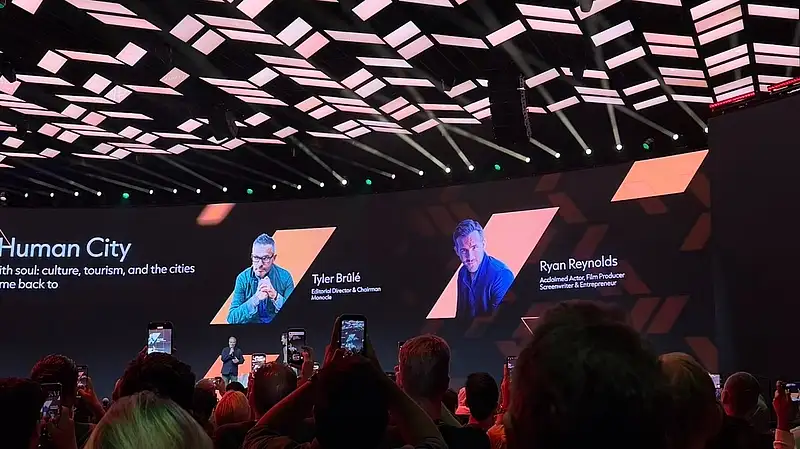
Actor and entrepreneur tells Abu Dhabi audience that livability is about more than infrastructure, pointing to Wrexham’s transformation and the importance of authenticity, storytelling and community pride
- PUBLISHED: Wed 30 Sept 2026, 2:41 PM UPDATED: Wed 30 Sept 2026, 5:20 PM


Cities become truly livable when people feel connected to them, take pride in where they live and see themselves reflected in their communities, actor, producer and entrepreneur Ryan Reynolds said during a fireside conversation in Abu Dhabi.
Speaking with Monocle editorial director and chairman Tyler Brûlé at an event focused on livability and investment, Reynolds said successful cities and communities tend to have a strong sense of identity.
Recommended For You

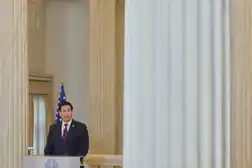
“When I look at communities that are really working,” he said, they often have “a very healthy sense of self” and pride in what they are.
Stay up to date with the latest news. Follow KT on WhatsApp Channels.
Reynolds pointed to his hometown of Vancouver, Abu Dhabi and the Welsh town of Wrexham as very different examples of places where identity and community can play an important role in livability.
From pearl-diving community to global capital
Reynolds said Abu Dhabi's transformation stood out to him, describing its journey from a pearl-diving community into a global capital.
He said livable cities do not need to be perfect, but should nurture community, identity and the everyday experiences that make people feel connected to a place.
He compared that with Vancouver, where access to the outdoors and community life form part of the city's identity despite challenges such as its weather.
Wrexham's transformation
Reynolds also discussed his experience as co-chairman of Wrexham AFC and the wider transformation he has seen in the Welsh town.
When he first became involved, he said residents would often identify themselves as being from North Wales rather than Wrexham.
Six years later, he said that has changed dramatically, with residents now showing a much stronger sense of pride and ownership in their town.
Reynolds said the transformation was not simply because the football club became more successful.
“It’s because they feel seen as a community,” he said.
He described Wrexham as a former coal and steel town that had experienced economic decline before developing a renewed sense of identity and global visibility.
Tourism rises from £180,000 to nearly £200 million
Reynolds said annual tourism spending in Wrexham was around £180,000 when he and his partners arrived, but had risen to nearly £200 million last year.
He said the increase demonstrates how investment in a community's identity and a shared focal point can have much wider economic effects.
The football club, he said, became a “beating heart” around which other activity could grow.
Reynolds added that the focus now extends beyond football, with attention turning towards the university and the role education can play in keeping young people in the town, supporting arts, culture and new economic activity.
'Curiosity is kindness'
Reynolds also spoke about the role of curiosity in building stronger communities.
“In the community, curiosity is kindness,” he said, arguing that spending time understanding people can uncover stories and connections that might otherwise be missed.
He recalled how the documentary series around Wrexham initially struggled to identify stories, before the production team began spending more time with residents.
The result, he said, was discovering deeply personal stories that became more important than what happened on the football pitch.
“We don't know football. We know storytelling,” Reynolds said, adding that gaining residents' trust to tell their stories was something he and the team did not take lightly.
'I don't know' can be an advantage
Reynolds rejected the idea that successful entrepreneurs or leaders always know exactly what they are doing from the beginning.
He said people often reconstruct success afterwards and make it sound inevitable, when the reality involves experimentation and failure.
“Most people I know who are really good at stuff, or accomplished something, have 80 per cent more stuff that they failed at,” he said.
Reynolds said being willing to say “I don't know” can be an advantage because it creates room for other people to contribute and challenge ideas.
He gave the example of writing films, where he deliberately presents early ideas as imperfect, so collaborators feel comfortable disagreeing and suggesting something better.
Perfectionism can hold people back
Reynolds described perfectionism as one of the damaging forces in modern culture, particularly for younger generations.
“You can't be good at something unless you're willing to be bad at it,” he said.
He said his own tendency to work across multiple elements of a production acting, writing, producing and watching technical details has made him more comfortable experimenting and getting things wrong before improving them.
That willingness to fail, he argued, applies beyond filmmaking and can help entrepreneurs, creators and communities evolve.
Conflict resolution as a business tool
Reynolds also described conflict resolution as one of the most useful business skills he has learned.
He said a workshop he took in his late twenties changed how he dealt with disagreement.
The approach, he said, centers on mirroring, empathizing with and validating another person's position without necessarily agreeing with it.
That can help people work through disagreements in creative industries, businesses and families without forcing consensus.
Cities need authenticity, not perfection
The discussion also turned to the way cities are designed and marketed.
Reynolds and Brûlé questioned whether the pursuit of perfect urban environments risks eliminating the spontaneity and authenticity that make cities interesting.
Brûlé pointed to Tokyo as an example where much of the attraction comes not only from major boulevards and infrastructure, but also from small streets, unexpected encounters and imperfections.
Reynolds agreed that community pride does not require perfection.
The discussion stressed the importance of preserving authenticity, local identity and serendipity as cities grow and invest in new infrastructure.
For Reynolds, the common thread across places as different as Vancouver, Wrexham and Abu Dhabi is that people need to feel a city has an identity they can participate in and that communities become stronger when residents feel seen.