 E-Paper
 Sign In


Solid-state batteries gain traction in UAE as heat resilience draws interest
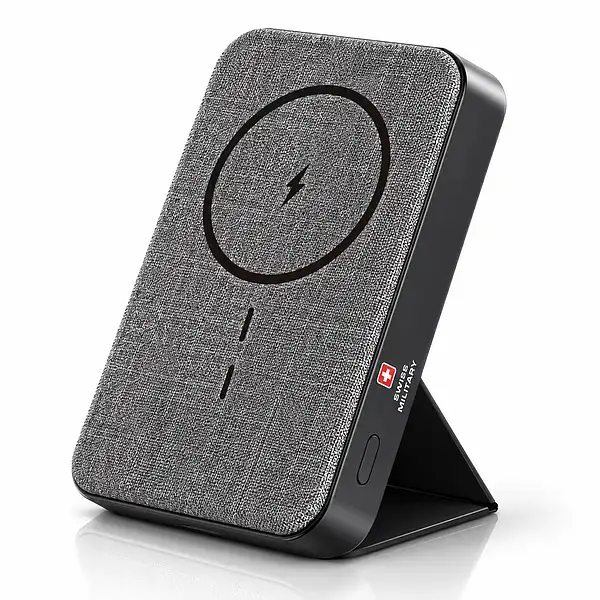
New battery technology designed to operate in extreme temperatures is reaching consumers in the Gulf, with potential implications for devices, e-scooters and future electric mobility
- PUBLISHED: Sun 20 Sept 2026, 2:55 PM


As temperatures continue to test the limits of consumer electronics across the Gulf, interest is growing in battery technologies that can operate more efficiently and safely in extreme heat. Solid-state batteries, long viewed as a potential successor to conventional lithium-ion technology, are now beginning to reach everyday consumers in the UAE, signalling a gradual shift in how portable devices could be powered in the future.
The technology replaces the liquid electrolyte used in traditional lithium-ion batteries with solid materials. Industry experts believe this could improve safety, extend battery life and increase energy density. According to the manufacturer, conventional lithium-ion batteries typically perform best between 20°C and 50°C, while solid-state batteries can operate in temperatures ranging from -20°C to 80°C, a feature that could be particularly relevant in Gulf markets where high temperatures persist for much of the year.
Recommended For You





Reflecting the growing commercial interest, regional distributor Techmart announced the introduction of Swiss Military-branded power banks using solid-state battery technology. The range includes 10,000mAh and 20,000mAh models, along with wireless magnetic and 3-in-1 wireless charging formats.
Beyond portable charging devices, the wider significance of solid-state batteries lies in transportation and electric mobility. Battery performance remains one of the biggest constraints facing electric vehicles, e-scooters and other battery-powered transport systems. Higher energy density could allow more energy to be stored in a lighter battery pack, potentially extending driving range without increasing vehicle weight.
“The change can enable higher energy density and reduce exposure to risks associated with leakage, thermal runaway and fire,” the company said, highlighting one of the technology’s most widely discussed advantages.
The benefits could be especially significant for compact mobility solutions such as e-scooters, where battery size and weight directly influence performance and usability. The use of solid electrolytes may also improve safety in applications where battery packs are frequently recharged and subjected to intensive daily use.
Challenges remain before the technology can achieve widespread adoption. Manufacturing solid-state batteries is still more complex than producing conventional lithium-ion cells, while so-called semi-solid-state batteries are emerging as an intermediate step that combines some of the benefits of the technology with greater manufacturing compatibility.
Charging speeds are another area attracting attention. The company said solid-state batteries could potentially allow a mobile device to charge from 10% to 80% in less than 15 minutes. While mass-market adoption may still be years away, the arrival of consumer products in the Gulf suggests that solid-state batteries are beginning their journey from laboratory innovation to everyday use.
