E-Paper
 Sign In


Hormuz disruption drives up energy costs as AI fuels demand for electricity
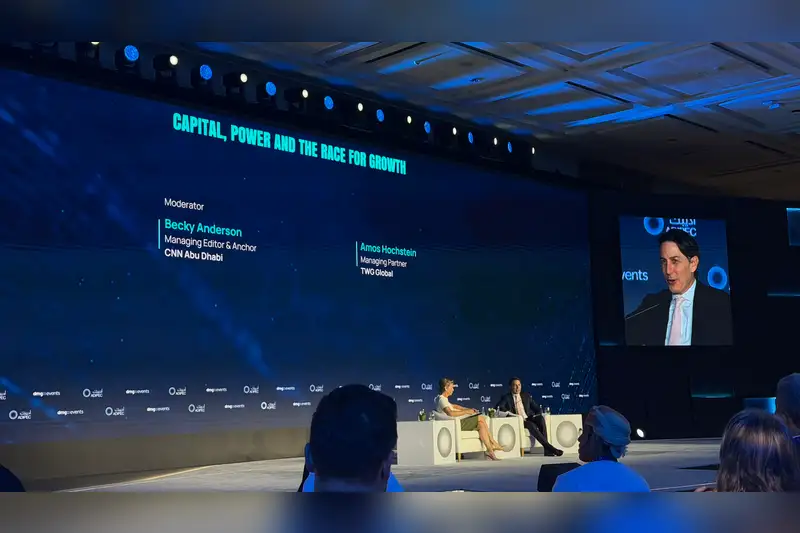
Former US energy envoy Amos Hochstein calls for greater investment in power grids, pipelines and resilient infrastructure to support energy security and AI growth.
- PUBLISHED: Tue 3 Nov 2026, 10:21 AM


Disruptions in the Strait of Hormuz have sharply increased global energy transportation and insurance costs, while the rapid expansion of artificial intelligence is creating fresh pressure on electricity infrastructure, former US energy envoy Amos Hochstein said at Adipec 2026.
Speaking during a session titled “Capital, Power and the Race for Growth”, Hochstein, Managing Partner at TWG Global, said transportation and insurance costs now account for more than 30 per cent of the cost of a barrel of oil, compared with around 5 per cent before the conflict.
Recommended For You





Stay up to date with the latest news. Follow KT on WhatsApp Channels.
He warned that continued energy shipments through the Strait of Hormuz did not necessarily mean normal trading conditions had returned, pointing to increased security requirements and higher costs.
AI puts pressure on electricity grids
Hochstein said the biggest challenge facing the expansion of artificial intelligence was not simply generating more electricity, but ensuring sufficient power could be delivered through electricity grids.
He warned that rising electricity bills in areas experiencing rapid data centre development could undermine public support for AI investment.
UAE a critical AI partner
Hochstein described the UAE as a critical partner for the United States in artificial intelligence development and adoption, highlighting the country’s leadership in embracing new technologies.
He said the region should continue developing AI infrastructure while strengthening physical protection, backup systems and operational resilience.
Governments urged to support infrastructure investment
Hochstein called for greater government involvement in financing strategic infrastructure, including pipelines, electricity interconnections and alternative supply routes.
He said public funding could help reduce investment risks and attract private capital into projects that strengthen energy security.
He also highlighted opportunities in data centres, advanced nuclear technologies, small modular reactors and fusion energy, while warning that higher energy prices and interest rates could make financing major projects more challenging.