 E-Paper
 Sign In


UAE'S e-invoicing rollout signals bigger shift towards a smarter digital economy
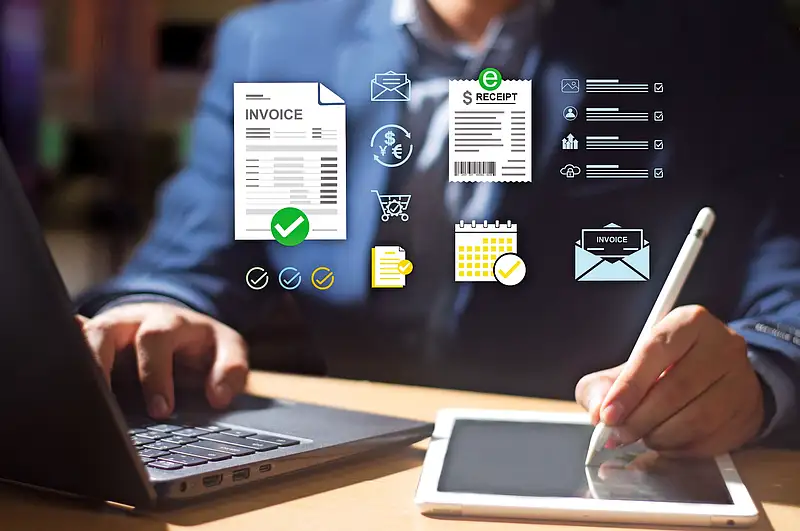
The e-invoicing pilot project is laying the foundations for a paperless, data-driven economy that benefits businesses, consumers and policymakers alike
- PUBLISHED: Tue 8 Sept 2026, 8:00 AM


The UAE’s voluntary e-invoicing pilot may look, at first glance, like a routine technology upgrade. But beneath the surface, industry experts say, it is another building block in the country’s long-term ambition to create a smarter, more transparent and digitally driven economy.
Far from being just a change in how invoices are issued and received, the initiative signals that the UAE is keeping its eye on the bigger picture. As the country doubles down on digital transformation, e-invoicing is expected to strengthen tax compliance, improve transparency and provide policymakers with a real-time snapshot of economic activity. In short, it is about ensuring the nation's financial infrastructure keeps pace with the speed of modern commerce.
Recommended For You




Experts note that e-invoicing does not exist in a vacuum. Instead, it forms part of a broader reform agenda that has already seen the introduction of VAT and corporate tax. Taken together, these measures are helping the UAE sharpen its competitive edge as a global business and investment hub. By streamlining transactions, reducing paperwork and improving efficiency, the system is also expected to deliver tangible benefits for businesses and consumers alike.
For many companies, particularly small and medium-sized enterprises, the transition will require significant groundwork. Upgrading technology systems, cleaning and standardising data, training employees and selecting accredited service providers are all tasks that cannot be left until the eleventh hour.
"For SMEs, there will be an adjustment period and some upfront investment, but the long-term gains far outweigh the initial challenges," said a Dubai-based SME owner. "Many smaller businesses still spend significant time manually processing invoices and reconciling payments. A more automated system can reduce errors, improve cash-flow visibility and free up time to focus on growth rather than administration."
Experts said the pilot phase offers businesses a chance to learn the ropes before the rules become mandatory. For those willing to get ahead of the curve, the current rollout is more than a compliance exercise. It is an opportunity to future-proof operations and ensure they are ready when the UAE's next chapter in digital business becomes the new normal.
Hanadi Khalife, Regional Director of MEASA at ICAEW, said the UAE’s e-invoicing pilot project points to something bigger than tax and will benefit the consumers and businesses.
“In July, the UAE switched on its e-invoicing system, with the first businesses now testing how invoices move digitally between companies and government ahead of a mandate that will eventually reach most VAT-registered businesses in the country. On the surface, this looks like a technical update to how businesses handle their paperwork. Look a little closer and it tells a bigger story about where the UAE wants to position itself over the next decade,” Khalife said.
She said the mandate itself is still some way off. Large companies, those earning Dh50 million or more a year, need to appoint an accredited service provider by the end of October and go live from January 1, 2027. Smaller businesses follow from mid-2027, government bodies from October that year. “What launched this month is voluntary, a testing ground for the technology before the deadlines start to bite.”

That distinction matters, but the more telling part is what the system is built to do. Once fully in place, invoices in the UAE will move through a five-corner model, a version of the continuous transaction control system already used in dozens of countries, with structured data passing between a business, its accredited provider, the buyer's provider, the buyer, and the tax authority, in close to real time. A PDF sent by email will no longer count as a valid invoice for businesses in scope. It must arrive as machine-readable data the system can check automatically, according to Khalife.
“The push behind this goes beyond invoicing itself. E-invoicing sits alongside the corporate tax regime introduced a few years ago, VAT before that, and a wider effort to build a digital economy that can compete with established financial centres on more than tax rates alone. Real-time reporting reduces fraud and tightens VAT collection, giving the government a clearer picture of economic activity as it happens rather than months later through filed returns. That is the kind of infrastructure investors and multinational headquarters weigh up when they decide where to base regional operations.”
Service providers are already circling. DP World, a name more associated with ports and container ships than tax software, recently launched a UAE-hosted e-invoicing platform after being approved by the Ministry of Finance, joining a growing list of accredited providers competing for a share of the rollout. It is an early sign of how many industries this system is starting to pull in, well beyond the accountants who first spot these changes coming.
A USEFUL WINDOW
“There is a smaller business angle here too, and it deserves more attention than it usually gets. Under the UAE's tightened penalty framework, businesses can be fined for procedural mistakes even when no tax is actually owed, things like late registration or incomplete records. As invoicing moves onto a system that flags problems automatically, that risk gets sharper for smaller companies and sole traders who do not have a finance team watching every deadline. The voluntary pilot is a useful window to get systems and processes right before the penalties that come with mandatory participation start to apply,” Khalife said.
“Getting there will take effort. Plenty of businesses are still working through ERP gaps, data-quality issues and provider selection before they can generate a compliant e-invoice. Companies juggling several legal entities or older accounting software have more work ahead than most,” she added.
She said the UAE has built its economic reputation over the last two decades on infrastructure that keeps pace with its ambitions, from ports and airports to free zones and, more recently, its tax administration.
“E-invoicing looks, on the surface, like a compliance footnote. It is better read as part of the same pattern, a government making sure its systems for tracking money and tax keep up with how digital the country has become. For a place that sells itself on how easy it is to live and do business here, that is not a small thing,” Khalife said.
E-invoicing is part of a wider movement towards a paperless, data-driven business environment. The Ministry of Finance has also described e-invoicing as a key enabler of a modern digital and paperless economy. Businesses will need to assess their systems, clean their data, train their teams and work with approved service providers.
Keith Donegan, Partner, Head of Tax – UAE, KPMG Middle East, said the UAE's e-invoicing initiative is bringing the country's business infrastructure in line with the direction of its broader economy.
“We've seen the UAE move fast on VAT, on corporate tax, and now on digitising how businesses transact with each other. E-invoicing is the next logical step in that journey” Donegan told Khaleej Times recently.
In simple terms, he said businesses will gradually move away from paper and PDF invoices toward a standardised digital system through accredited government-approved service providers.
The pilot phase is expected to begin in July 2026, with larger businesses coming into scope from January 2027, followed by smaller businesses on a phased basis through the rest of 2027. The government has been deliberate about giving the market time to prepare, and that measured approach reflects a genuine understanding of what implementation requires.
