 E-Paper
 Sign In


UAE real estate market demonstrates resilience and strength in 2026
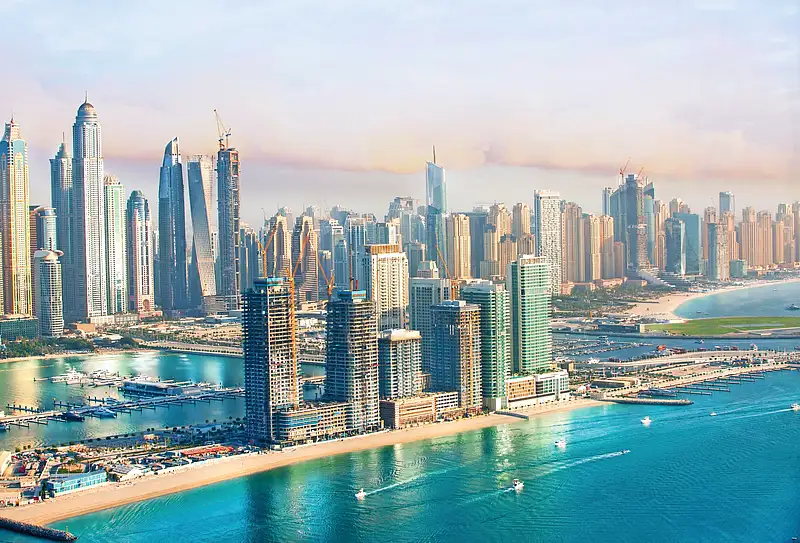
From rising foreign investment to robust transaction activity, the UAE property market continues to demonstrate its resilience in 2026
- PUBLISHED: Sat 5 Sept 2026, 8:00 AM


The UAE’s real estate sector is showing little sign of slowing down in 2026, with strong transaction activity, rising foreign investment and sustained demand reinforcing its position as one of the country’s most resilient growth sectors.
From Dubai’s continued appeal among global investors to accelerating activity in Abu Dhabi and steady growth in Sharjah, the year so far has brought further momentum across the country’s major property markets. Residential property remains a key driver, while demand for offices, industrial and logistics space is also supporting the wider sector.
Recommended For You





Dubai began the year on a strong footing. According to the Dubai Land Department (DLD), the emirate recorded more than 60,000 real estate transactions worth Dh252 billion during the first quarter of 2026. Transaction value increased 31% compared with the same period in 2025, while the number of transactions rose 6%.
Investment activity has remained equally significant. Dubai recorded Dh173 billion in real estate investments during the first three months of the year, up 22% in value year on year. The market attracted 48,448 investors, including 29,312 new investors, highlighting its continued ability to draw fresh capital.
International buyers remain central to that growth. Foreign real estate investment reached Dh148.35 billion during the quarter, up 26% year on year, while the luxury segment continued to attract significant interest.
The strength of the sector is also being felt across the wider economy. Real estate activities contributed approximately Dh26 billion to Dubai’s economy during first quarter of 2026 and accounted for 11.2% of GDP, while construction grew 8.2%.
Abu Dhabi Accelerates
Abu Dhabi has emerged as another standout performer this year. Figures from the Abu Dhabi Real Estate Centre (ADREC) show transactions reached Dh117 billion during the first half of 2026, more than doubling from the same period last year.
Foreign investment has risen particularly sharply. Foreign direct investment in Abu Dhabi real estate reached Dh13.8 billion in H1, up 309% year on year and already exceeding the amount recorded during the whole of 2025. Non-resident investors from 116 nationalities participated in the market, demonstrating its widening international appeal. More areas are also becoming accessible to investors. Eight new investment zones were approved during the first half of the year, taking Abu Dhabi’s total to 50 and creating further room for residential and mixed-use development.

Sharjah Maintains Growth
Sharjah has maintained its upward trajectory too. Real estate transactions reached approximately Dh29.5 billion during the first six months of 2026, an increase of 9.3% year on year, according to the Sharjah Real Estate Registration Department. Residential property remained the backbone of the market, while buyers from 121 nationalities invested in the emirate during the period. Eleven new real estate projects were also registered, adding to a market that has continued to broaden its appeal among both residents and investors.
Demand Beyond Residential
The strength of UAE real estate is not confined to homes. Businesses looking for high-quality office space are keeping occupancy levels high in the country's two largest commercial centres.
According to CBRE, Dubai office rents increased 13% year on year in second quarter, with occupancy at around 94%. Abu Dhabi recorded an almost 16% rise in office rents, with occupancy reaching approximately 96%. Industrial and logistics property has also remained a strong performer, supported by limited quality supply and continued occupier demand.
What Comes Next?
The final months of 2026 could, however, bring a more balanced phase for the property market.
Dubai has a sizeable pipeline of new homes scheduled for delivery, although the number actually completed is likely to be considerably lower than the registered pipeline suggests. As more supply reaches the market, the pace of price growth is expected to moderate, particularly in the mainstream residential segment.
There are already signs of this shift. CBRE reported softer residential demand and easing pricing pressures in Dubai during the second quarter, while Knight Frank expects price growth to become more measured as the year progresses.
Luxury property, however, continues to see strong demand. Dubai recorded 296 sales of homes valued above $10 million during the first half of 2026, underlining continued demand from global high-net-worth buyers. This growing divide between the mainstream and prime segments could become one of the defining trends to watch through the remainder of the year.
Abu Dhabi, meanwhile, enters the second half with strong residential momentum and a substantial development pipeline of its own, while tight office supply across both cities is likely to keep well-located, high-quality commercial space in demand.
The next few months, therefore, may be less about whether UAE real estate can continue breaking records and more about how the market adjusts as new supply arrives. With a larger and more diverse investor base, continued population and business growth and strong international interest, the sector appears to be moving from rapid expansion towards a more mature phase of growth.


As a passionate storyteller and content writer, Kushmita Bose loves weaving narratives that inform, inspire, and entertain. Whether she's unraveling tech revolutions, dissecting industry reports, or bringing a brand’s journey to life, Kushmita thrives on transforming ideas into captivating stories. When she’s not busy crafting content, you’ll probably find her daydreaming about her next travel adventure.