 E-Paper
 Sign In





Travel and tourism: It's time for Africa
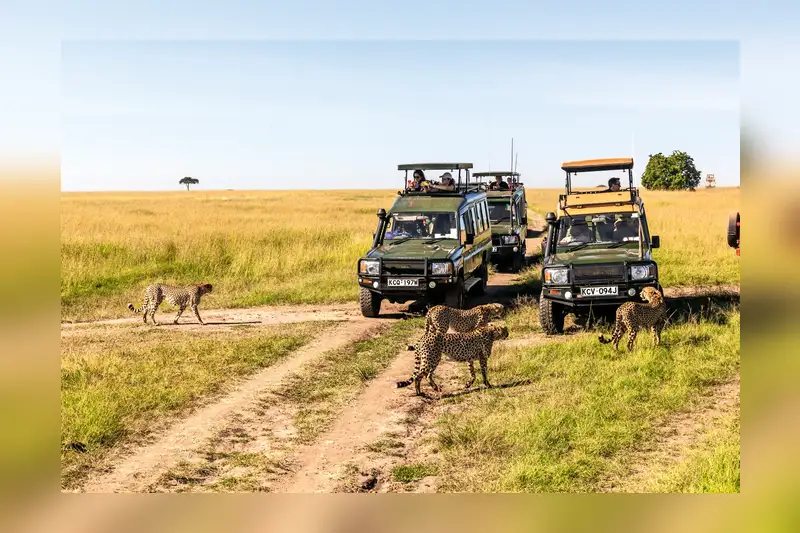
From gorillas in misty forests and elephants on open plains to ancient medinas and tropical shores, Africa invites travellers to see the continent through many different journeys
- PUBLISHED: Mon 26 Oct 2026, 2:00 PM


Africa has long captured the imagination with its extraordinary wildlife, vast landscapes and rich cultural heritage. Yet to describe the continent simply as a safari destination is to overlook the remarkable variety found across its countries.
From ancient cities and dramatic deserts to rainforests, mountains, islands and wildlife reserves, each corner presents a different side of the continent.
Recommended For You




For today's traveller, that variety is increasingly part of the attraction. A visit might mean tracking gorillas through a misty forest, exploring a centuries-old medina, watching elephants gather at a watering hole or ending a long day beside the Indian Ocean.
Morocco: Morocco's appeal begins far from the traditional safari. Its character comes from the meeting of history, architecture, food and landscape. Marrakech's souks and historic quarters offer a glimpse into centuries-old traditions, while Fez reveals another layer of the country's architectural and cultural heritage. Beyond the cities, the Atlas Mountains and Sahara create a dramatically different setting.
Food is equally central to understanding Morocco, with bustling markets and traditional dishes providing an introduction to the country's customs and everyday life.

South Africa: South Africa brings together wildlife, dramatic scenery and sophisticated urban life. Kruger National Park and the Sabi Sand Nature Reserve are known for Big Five sightings, while Cape Town provides a sharp contrast with its restaurants, art, history and outdoor attractions.
The country's geographical diversity also makes it possible to combine a safari with a city break or coastal stay. It is this breadth — rather than one defining attraction — that gives South Africa such a varied travel offering.
Kenya: Kenya remains synonymous with the African safari, but its wildlife story extends well beyond the familiar game drive.
The Masai Mara is closely associated with the Great Wildebeest Migration, generally seen between August and October, while Amboseli and Tsavo are noted for their elephant populations.
Elsewhere, conservancies such as Lewa and Laikipia bring conservation and outdoor activities into the picture.
The Indian Ocean coastline provides a striking change of pace, allowing visitors to move from open grasslands to beaches and coastal communities within the same country.
Botswana: Botswana is defined by space.
At the centre is the Okavango Delta, where seasonal waters transform the landscape and create an important habitat for wildlife. The Chobe region is particularly associated with large elephant populations, while the Kalahari presents an altogether different environment.
A mokoro trip through the delta provides an intimate view of its waterways, while the Kalahari introduces visitors to a landscape shaped by its arid climate and long-standing communities.
Here, the absence of crowds is as much a part of the appeal as the wildlife itself.
Rwanda: Rwanda's landscape is defined by mountains and forests, with conservation playing a central role in its visitor economy.
Volcanoes National Park is internationally known for mountain gorilla trekking, while Nyungwe National Park provides opportunities to encounter chimpanzees and explore one of the country's major forest ecosystems. Akagera brings a contrasting savannah setting and is now home to the Big Five (Lion, African Elephant, Leopard, Rhinoceros and Cape Buffalo.) Beyond the parks, Lake Kivu, tea and coffee-growing regions and Kigali's cultural and historical attractions reveal another side of the country.
Uganda: Uganda's landscapes shift dramatically from rainforest to savannah, lakes and mountains. Bwindi Impenetrable Forest and Mgahinga are major locations for mountain gorilla trekking, while Kibale National Park is known for chimpanzees. Murchison Falls and Queen Elizabeth National Park provide more traditional wildlife encounters, including the tree-climbing lions of the Ishasha region.
Lake Victoria adds yet another dimension, particularly for visitors hoping to spot the distinctive shoebill.
The result is a country where primates, big game, forests and waterways all form part of the picture.
Namibia: Namibia offers a very different vision of Africa. Its vast deserts, rugged coastline and sparsely populated terrain create an extraordinary sense of scale. Sossusvlei's towering red dunes are among the country's most recognisable sights, while Etosha National Park provides a contrasting setting for wildlife viewing.
Desert-adapted animals and the dramatic Skeleton Coast add to its sense of remoteness. In Namibia, the landscape is often the main event — a reminder that Africa's natural appeal extends well beyond the savannah.
Tanzania: Tanzania brings together some of the continent's best-known wildlife areas with mountains and an Indian Ocean coastline.
The Serengeti and Ngorongoro Crater remain major draws, particularly around the Great Wildebeest Migration. Mount Kilimanjaro presents a challenge for trekkers, while Zanzibar offers a distinctly different setting, shaped by its island culture and coastal history.
Few places demonstrate quite so clearly how wildlife, adventure and coastal life can sit within one national itinerary.
Madagascar: Madagascar's identity is shaped by its extraordinary biodiversity. More than 90% of its wildlife is found nowhere else, making nature the centrepiece of any visit. Lemurs, unusual flora and forest walks provide encounters that differ considerably from the mainland safari. Its coastline brings another layer, with coral reefs and marine activities complementing the island's terrestrial wildlife. Madagascar's greatest distinction is perhaps its sense of otherness — an ecosystem shaped by millions of years of isolation.
Mozambique: Mozambique brings the African wilderness and the Indian Ocean together. Its long coastline and tropical islands provide opportunities for diving, snorkelling, boating and traditional dhow cruises. Coral reefs and marine life are central to the coastal experience.
The country's Portuguese influence can also be seen in elements of its architecture and cuisine, adding cultural depth to its natural attractions.
Seychelles: The Seychelles presents a quieter side of the continent. Its 115 islands are known for beaches, coral reefs, marine parks and distinctive granite landscapes. Protected natural areas and marine ecosystems remain important to the character of the islands.
There is more to the archipelago than its beaches: underwater exploration, forest walks and encounters with giant tortoises provide plenty of reasons to venture beyond the shoreline.
Africa's Story is Bigger Than The Safari
Across these countries, one thing becomes clear: Africa cannot be reduced to a single type of holiday.
For some, the defining moment may be elephants crossing a river or gorillas moving through a mountain forest. For others, it might be exploring an ancient city, climbing a desert dune, trekking towards a mountain summit or watching the sun disappear over the Indian Ocean.
Wildlife remains one of the continent's great draws, but landscapes, food, history, conservation and culture are equally important pieces of the picture.
Africa is not one destination. It is a collection of vastly different places, each with its own rhythm, character and story.
AFRICA FINDS A NEW HOME IN THE UAE
A landmark cultural initiative is bringing Africa and the UAE closer together — creating a permanent space for culture, creativity, business and community.
A Historic First: The UAE is establishing its first permanent, dedicated African Cultural Centre, creating a lasting platform for African culture and community in the Gulf.
More Than a Cultural Space: The centre envisioned as a dynamic hub bringing together commerce, art, language, heritage and cultural exchange, reflecting the many dimensions of contemporary Africa.
A Home for the African Community: For African professionals, creatives, entrepreneurs and cultural practitioners across the Gulf, the centre aims to provide a dedicated physical home for connection, collaboration and community.
Building Bridges Through Culture: The initiative seeks to strengthen the relationship between Africa and the UAE, encouraging greater dialogue, partnerships and opportunities across borders.
Where Art Meets Opportunity: From exhibitions and cultural programmes to business networking and creative initiatives, the centre can provide a space where African talent, ideas and enterprise take center stage.
Growing From Existing Momentum: The project builds on the UAE’s growing engagement with African culture, including events such as the All Africa Festival and the presence of West African art galleries and cultural initiatives across the region.
A Vision Led by Afro Baobab: The initiative is being spearheaded by Saran Sow Barry, CEO of Afro Baobab, with a vision of creating a permanent platform that celebrates Africa while encouraging meaningful connections with the UAE.