 E-Paper
 Sign In





Tech revolution reshaping mobility across the region
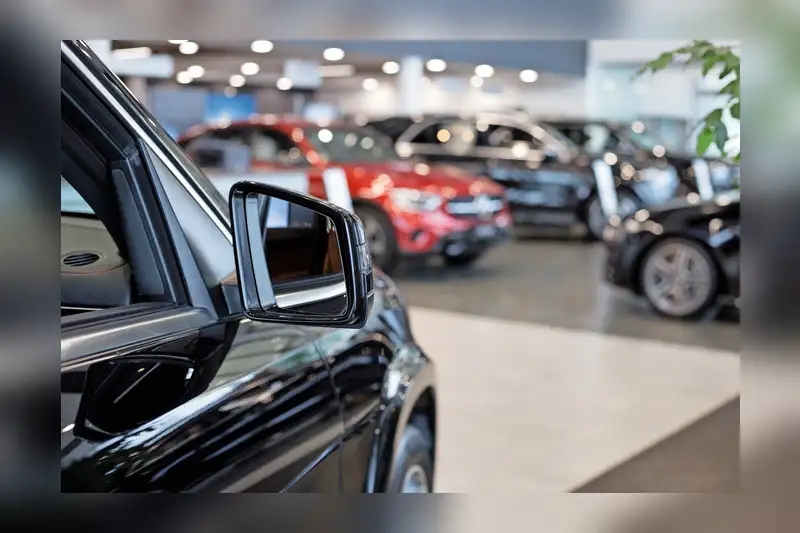
Industry leaders expect advanced diagnostics, EV servicing and predictive maintenance to define the future of automotive aftersales and customer experience across the region
- PUBLISHED: Wed 28 Oct 2026, 10:00 AM


As vehicles become increasingly electric, connected and software-defined, the automotive aftermarket is entering a new era of transformation. Against this backdrop, Automechanika Dubai 2026 will bring together industry leaders and innovators to showcase the technologies reshaping vehicle ownership, after-sales service and customer experience across the region.
The 23rd edition of the exhibition, taking place from November 10-12, will spotlight connected diagnostics, predictive maintenance, EV servicing, battery technologies, workshop digitisation, AI-powered customer engagement and vehicle data solutions.
Recommended For You




Industry experts expect growing demand for advanced diagnostics, connected vehicle technologies and specialist services for electric and software-defined vehicles. They also anticipate increased focus on digital service platforms, predictive maintenance, personalised vehicle care and seamless ownership experiences, reflecting the industry's shift towards smarter, data-driven mobility solutions.
“With the Middle East and Africa automotive aftermarket forecast to reach $87 billion by 2034, the event comes at a pivotal moment for an industry increasingly driven by technology, data and seamless customer experiences,” experts say.
Future of Mobility
Dr Hamid Haqparwar, Managing Director, AGMC, said Automechanika Dubai 2026 is expected to highlight the future of mobility, with a strong focus on connected diagnostics, predictive maintenance, EV servicing, battery technologies, workshop digitization, AI-enabled customer engagement, and vehicle data solutions.
“The event will also showcase innovations supporting hybrid, electric, and connected vehicles. As the automotive landscape becomes more technology-driven, these solutions will play a critical role in shaping the next generation of premium ownership and after-sales experiences,” he said.

Automechanika Dubai will bring the international automotive aftermarket community together for three days of sourcing, business, networking, knowledge exchange and industry discussion at its new home — Dubai Exhibition Centre (DEC), Expo City Dubai, after 22 successful editions at Dubai World Trade Centre.
The 2026 edition comes at a pivotal time for the Middle East and Africa automotive aftermarket. Glasgow Research and Consulting forecast that the market will reach $87 billion by 2034, growing at a compound annual growth rate of up to 7%.
“I expect to see strong interest in advanced diagnostics, connected vehicle technology and specialist solutions for electric and software-defined vehicles. Vehicle care will also be an important part of the premium aftermarket, particularly protection, accessories and customisation as customers look for more ways to personalise and maintain their vehicles,” Jacques Brent, Managing Director of Al-Futtaim Toyota and Lexus, said.
“We should also see technologies that improve the ownership experience, from predictive maintenance and earlier fault detection to tools that help workshops work more efficiently. For the premium segment, the strongest solutions will deliver clear value through better vehicle care, reduced downtime, and greater convenience for the customer,” he said.
Roberto Colucci, Director of EVs, AWR Automotive, said Automechanika Dubai should reflect where premium mobility is today. “I expect tools and training for electric and software-defined vehicles. That includes diagnostics that read both mechanical and digital faults, battery and high-voltage competence, and connected service platforms.”
He said equally important are solutions that make ownership easier. Digital booking, collection and delivery, and predictive maintenance all count, as does parts data that gets the right component to the workshop first time.
“Personalisation and vehicle care still have a place in luxury, and they work best when they respect safety and software integrity. The aftermarket that wins will make EV ownership effortless,” he said.
Luxury Mobility Evolving
Dr Haqparwar said luxury mobility in the GCC is no longer defined solely by the car.
“Customers increasingly value convenience, personalisation, flexibility, and seamless experiences across every touchpoint. They expect an integrated ecosystem spanning sales, service, leasing, rental, charging, and digital engagement,” Dr Haqparwar told BTR.
He said luxury today is about saving time, reducing friction, and delivering tailored experiences that fit individual lifestyles. Ownership remains important, but the overall customer journey is becoming the true differentiator.
In the GCC, customers increasingly judge luxury by the experience the vehicle delivers, according to Brent.
“Design, performance and quality remain essential, but convenience, personalisation and access to the right support now carry much more weight. Customers want technology that makes ownership easier, services that respect their time and an experience that reflects their individual needs.”
For distributors, he said this means a premium brand’s strength depends as much on the capability behind the vehicle as on the vehicle itself. Sales, service, and after-sales must all deliver to the same standard if the relationship with the customer is to last.
Colucci said luxury in the GCC used to be analogue. Buyers measured it by engine note, presence and how loudly they arrived.
“Today it's about how you travel. Silent torque, a serene cabin and software that improves the car over time define the experience. Sustainability still opens the door. Experience closes it. Luxury also means controlling your time through digital-first retail, app-based ownership and charging that's as simple as using an ATM. With Zeekr and smart, the vehicle is one node in a frictionless ecosystem. That's the new premium,” Colucci told BTR.
After-sales Service Demand
Brent said premium customers expect after-sales to be as professional and responsive as the sales experience. That means accurate diagnosis, clear communication, convenient servicing and
confidence that the work will be completed properly and on time.
“As vehicles become more advanced, technical expertise also becomes more important, particularly across electrified and connected models. Personalisation extends beyond choosing a vehicle specification, customers increasingly expect service and support that reflect how they use their car and what they value.”
For distributors, he said strong aftersales is critical to customer retention because it maintains the relationship with the brand over many years of ownership.
Dr Haqparwar, who leads one of the UAE’s foremost automotive and mobility enterprises, said premium customers now expect after-sales service to be as exceptional as the vehicle itself. They want speed, transparency, proactive communication, collection and delivery services, and minimal disruption to their schedules. “Personalisation is equally critical, with customers expecting brands to understand their preferences and anticipate their needs. Increasingly, automotive businesses are being compared not with competitors, but with the service standards set by leading luxury hospitality and digital brands.”
Colucci said the purchase experience is the beginning. Premium customers expect after-sales to match the showroom. They want clear communication, convenient appointments, collection and delivery, and genuine personalization.
“In the UAE, the smartphone is the new service desk. Drivers use it for state of charge, cabin preconditioning, booking maintenance and accessing charging networks. Our partnerships with operators such as UAEV and Adnoc exist for that reason. Seamless access is now the baseline. Workshops have to get it right first time, with honest timing. Reputation is built in the service bay as much as at handover,” he said.
EVs, Autonomous Vehicles
Colucci opined that electric, connected and software-defined vehicles change ‘what we sell and what we service’. The centrepiece is no longer the engine but the interface, the data and the ability to improve the car after it leaves the showroom. That extends the premium promise well beyond handover.
“For distributors and the aftermarket, diagnostics, over-the-air updates, cybersecurity and battery care become core skills. Mechanical and digital faults belong in one customer experience. Predictive, app-based service should catch issues early, before they disrupt the driver. Brands that treat software as core to luxury will lead,” he said.
Brent said electric, connected, and software-defined vehicles are changing both the aftermarket services offered and the expertise required to deliver them.
“Workshops are dealing with high-voltage systems, increasingly complex diagnostics, software updates and vehicle data alongside traditional mechanical work. This requires continued investment in technician training, specialist equipment and digital capability. It also creates opportunities to identify issues earlier and make maintenance more proactive through connected vehicle data. For premium customers, greater technical complexity cannot come at the expense of the service experience. They still expect accurate diagnosis, efficient resolution and clear communication throughout.”
Dr Haqparwar, who oversees a portfolio of globally renowned brands while driving its transformation from traditional vehicle retail into a diversified mobility and service powerhouse, said electric and connected vehicles are transforming cars into technology platforms that continuously evolve through software updates and digital services. As a result, he said the aftermarket is becoming more technology-driven, requiring expertise in batteries, software, data, cybersecurity, and advanced diagnostics. “The shift is creating new opportunities for predictive maintenance, remote support, and enhanced customer experiences. Success will depend on combining traditional automotive know-how with digital capabilities and technology expertise.”
Rising Competition
Brent said the growing number of premium brands entering the GCC brings greater choice for customers, but also greater complexity for the businesses supporting them.
“Distributors and service providers need the technical capability to work across a wider range of platforms, powertrains and technologies, while parts suppliers face more demanding requirements around inventory planning, availability and product accuracy. Training and access to reliable technical information will become increasingly important as that mix expands. A strong product can establish a brand in the market, but its long-term position will depend heavily on whether the network behind it can support customers consistently throughout ownership,” he said.
Colucci echoed similar views and said choice is good for customers, and the GCC now has genuine diversity of premium EV brands. That raises the bar for everyone. A new name can launch with a striking product, but heritage grows with the right local partner, already rooted in this market, with after-sales, parts and trained people in place.
“Distributors must invest in knowledgeable teams, consistent support and a trustworthy ecosystem. Parts suppliers and workshops need broader multi-brand training and reliable inventory. Word of mouth still decides brands here. A strong ownership experience after the sale is what customers remember,” he said.
Dr Haqparwa said greater competition means automotive businesses must compete on customer experience, not just products. Distributors and service providers need to invest in skilled technicians, digital tools, data-driven operations, and seamless customer journeys.
“Parts suppliers must improve forecasting and inventory management to support increasingly diverse vehicle technologies. As the market evolves, long-term success will be determined by service quality, trust, and operational excellence rather than vehicle specifications alone.”
