 E-Paper
 Sign In


Making Dubai a global creative hub
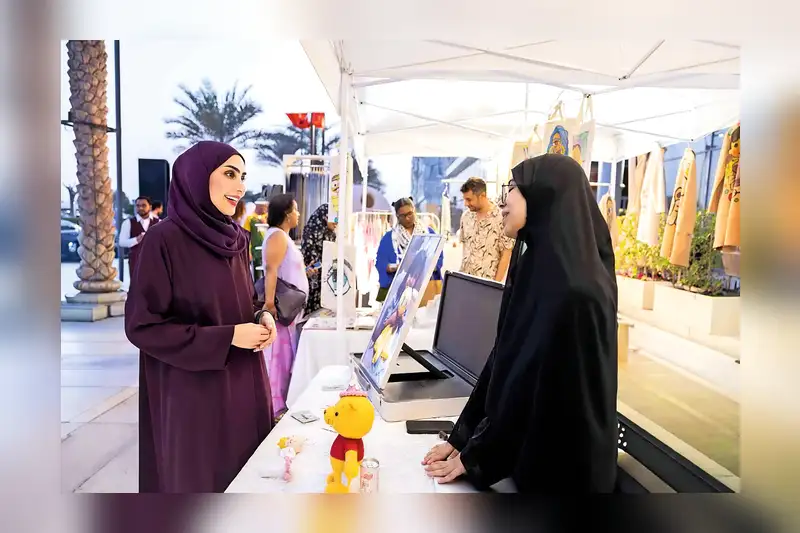
Dubai Culture Strategy 2026–33 gives a clear direction — advancing cultural innovation, strengthening the creative economy and widening participation
- PUBLISHED: Tue 27 Oct 2026, 10:00 AM


Shaima Rashed Al Suwaidi, Chief Executive Officer of the Arts, Design and Literature Sector at Dubai Culture and Arts Authority, is spearheading efforts to position Dubai as a global magnet for creatives, attracting artists, designers, and writers from every corner of the world.
Her vision goes beyond drawing talent to the emirate; it is about ensuring they can put down roots, thrive, and build a lasting future in a city that is rapidly becoming a cultural powerhouse and a global crossroads for art, design, and literature.
Recommended For You

“Over the next five years, I want more artists, designers and writers to see a lasting future for themselves in Dubai. That means being able to develop their practice here, earn a living from their work and build relationships that take their ideas into the world. The strongest expression of Dubai Culture’s role is the progress of the people and institutions we support,” Al Suwaidi told BTR.
She said the Dubai Culture Strategy 2026–33 gives the authority a clear direction: advancing cultural innovation, strengthening the creative economy and widening participation, with Emirati identity at the heart of our work. “Within arts, design and literature, my focus is on connecting talent development with professional opportunity. We also need strong partnerships with cultural organisations, educational institutions and businesses so that support continues as a creative’s needs evolve.”
“I would judge our progress through the development of talent, the strength of creative businesses and the depth of people’s engagement with culture. International collaborations and participation in overseas platforms also matter, particularly when they lead to further opportunities for Emirati and UAE-based practitioners. Alongside the data, I want to hear directly from the people using our programmes. An artist securing a new commission, a writer reaching a new readership, or a participant returning to develop a skill helps us understand what our work makes possible,” she said.
The next phase of Dubai’s creative scene
About her priorities for supporting next phase of growth of arts and culture, Al Suwaidi said: “What interests me most is the growing exchange between disciplines; artists are working with technology, designers are drawing on local materials and heritage, and writers are exploring how stories can travel through different media. Dubai gives these encounters a particular character because people bring such varied experiences to the city, alongside a strong Emirati cultural foundation.”
“We can see that exchange in Sikka Art & Design Festival, where contemporary work takes shape within Al Shindagha’s historic setting. Across the wider city, platforms such as Dubai Design Week, Art Dubai and the Emirates Airline Festival of Literature connect local practice with international conversations. Our priority is to help the relationships formed through these encounters develop into sustained work,” she said.
Each discipline also needs specific attention, according to Al Suwaidi.
In the arts, that means space to experiment, curatorial exchange and opportunities to exhibit. In design, it means stronger connections between education, production and enterprise. For literature, it means supporting writers and the relationships with publishers, translators and readers that allow their work to travel.
“Listening closely to each community helps us direct support where it matters most. I want Dubai to be a place where creative people can keep developing their ideas over many years, with the confidence to contribute something distinctive.”
Building a creative career
About how Dubai Culture help emerging artists and creative entrepreneurs access opportunities, develop their practice and reach wider audiences, Al Suwaidi said a creative career develops through a series of opportunities, each helping someone take the next step. Early on, that might be guidance from an experienced practitioner or a first chance to present work. As a practice grows, access to funding, production resources and professional networks becomes increasingly important. Our role is to help those stages connect.

Sikka Art & Design Festival gives emerging Emirati and UAE-based talent a platform to present their work and engage directly with audiences and fellow practitioners. The Dubai Cultural Grant supports creative projects and professional development, while initiatives such as Talent Atelier create opportunities for mentorship and exchange. These supports help artists refine both their work and their understanding of how to sustain it.
For creative entrepreneurs, Al Quoz Creative Zone brings together practitioners, cultural spaces and businesses. The Al Quoz Creative Entrepreneurship Forum adds opportunities to learn about business development and connect with potential collaborators and investors. International partnerships and participation in exhibitions and festivals can then help talent reach new audiences and professional networks.
“I encourage emerging creatives to approach these opportunities with a clear sense of what they want to learn or achieve. A thoughtful portfolio, an openness to feedback and the relationships built along the way can turn a single opportunity into the beginning of a sustained career,” she said.
Art in the age of AI
Al Suwaidi opines that AI is expanding artists' choices, from testing visual ideas to creating works that respond to data or audience participation, while also giving us a reason to look closely at the decisions behind a work: the question an artist is asking, the material they choose and the meaning they want to convey. Those decisions remain central to originality.
“My interest is in how an artist brings judgement and a distinct perspective to these tools: someone working with Emirati heritage, for example, brings knowledge of its context and significance. Technology can offer new ways to express that understanding, while the artist gives the work its purpose and takes responsibility for how it is presented.
“That makes learning especially important, as artists need opportunities to experiment, understand how tools are developed and consider the sources that inform their outputs. Consent, attribution and respect for other creators’ work should be part of that conversation. Cultural institutions also have a role in helping audiences understand the creative process and technology's contribution.”
At Dubai Culture, she said the authority’s wider interest in digital and emerging art is grounded in giving talent room to explore and exchange knowledge. ISEA 2026 will create an important setting for that dialogue. The opportunity ahead is to help artists use these tools thoughtfully, developing forms of expression that carry their own experiences and ideas.
ISEA 2026 in Dubai
About hosting ISEA 2026 in Dubai next month and what opportunities will it offer to UAE-based talent, Al Suwaidi said hosting the 31st International Symposium on Electronic/Emerging Art from November 6 to 15, 2026, places Dubai in an active conversation about the relationship between art, science and technology.
“It gives our creative community a platform to contribute its own research, perspectives and artistic practice to an established international exchange.”
Led by Dubai Culture, ISEA2026 will bring together two connected experiences. Its Academic Programme will take place fully online, enabling international and UAE-based participants to engage through papers, keynotes, panels, presentations, and live Q&A, alongside most special tracks and workshops.
Meanwhile, its Artistic Programme will unfold in person across Dubai through exhibitions, installations, and city activations.
“This connection matters because people engage with ideas in different ways: the online programme opens access to research and dialogue across geographies, while the artistic programme gives residents and visitors opportunities to encounter emerging art in the city around them. Together, they form a symposium that links international knowledge with artistic experiences in Dubai.”
For UAE-based talent, she said the opportunity includes sharing work and ideas, learning from other disciplines and developing relationships with researchers, curators and cultural institutions.
“I am particularly interested in the collaborations that could continue afterwards. Eligible recordings and academic content are also intended to extend access beyond the live programme. The lasting value of hosting ISEA will be in the knowledge people carry into their practice and the connections they continue to develop.”
Making culture part of everyday life
In reply to a question how can cultural programmes connect with more residents, engage younger audiences and encourage people to participate in the arts, Al Suwaidi said: “People are more likely to engage with culture when it feels relevant to their lives and easy to take part in, beginning with the places we use, how we welcome people, and the opportunities we give them to contribute. A library workshop, a conversation with an author, or an artwork encountered in a public space can spark a much deeper interest.”
She is of the view that School of Life brings creative learning into Dubai Public Libraries through workshops and shared activities. Public art creates encounters within the spaces people move through every day, while literary programmes help families discover stories together and give young readers opportunities to meet the people who write them. Each offers a different route into cultural life.
“With younger audiences, I believe participation should involve real choice; making something, asking questions and sharing an interpretation can help a young person develop confidence and a sense of ownership. Working with schools and families’ helps those experiences become part of their lives over time,” she said.
“We also need to listen to residents across ages, backgrounds and abilities as we shape programmes, especially as their interests should inform the experiences we offer. When someone feels welcome enough to return, bring a friend, or try creating something themselves, culture becomes a habit and a source of connection to the city,” Al Suwaidi concluded.
