 E-Paper
 Sign In





UAE dirham symbol joins Unicode: What does it mean for global recognition?
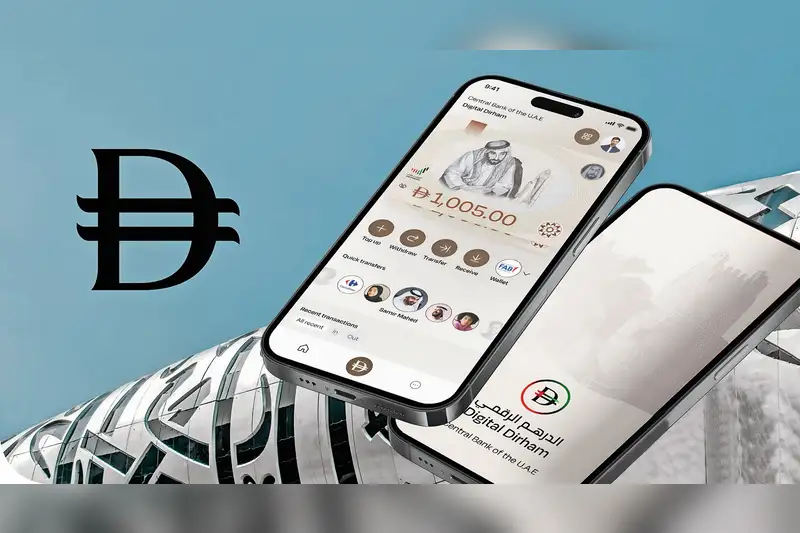
As the new currency sign moves closer to appearing on phones, banking apps and digital platforms, its wider adoption could strengthen the dirham's international visibility
- PUBLISHED: Thu 29 Oct 2026, 3:00 PM


The dollar sign ($), pound sterling (£) and euro (€) are instantly recognisable, appearing everywhere from price tags and shopping websites to financial markets and banking applications. Over time, these symbols have become closely associated with their respective currencies, making them familiar to people well beyond the countries where they are used.
Now, more countries are looking to give their currencies a distinct identity. India introduced the rupee symbol (₹) in 2010, while Saudi Arabia unveiled a new symbol for the riyal in February 2025. The UAE followed in March 2025, introducing a dirham symbol featuring the letter D crossed by two horizontal lines, inspired by the country's flag and representing monetary stability.
Recommended For You



The UAE's symbol reached another milestone in September 2026 when it was officially included in Unicode 18.0, the international standard that allows characters and symbols to be represented consistently across digital systems. The same update also introduced symbols for the Omani rial and Maldivian rufiyaa, reflecting a wider effort by countries to establish their currencies' identities.
While currency symbols may appear to be a small design change, their adoption goes beyond aesthetics. For governments, they offer a way to establish a recognisable national identity. For businesses and financial institutions, they can provide a consistent way to display currencies across transactions, digital platforms and everyday commerce.
For the new symbol to become widely used, technology companies, software developers, banks and payment providers will need to incorporate it into their systems. Even after a symbol is officially recognised by Unicode, it can take time before it appears consistently across devices and applications.
More Than a National Identity
As financial transactions increasingly move online, currency symbols are becoming an important part of how people identify currencies across banking apps, payment platforms and everyday purchases.
Amr Kandel, GCC Country Manager and Product Director at Fimple, says the motivation behind these symbols is as much practical as it is symbolic.
"From the outside, a new symbol can look like a branding exercise, but the motivation is largely practical. India, Saudi Arabia and the UAE have all invested in digital payments, and a distinct symbol helps make their currencies more recognisable across apps, price tags, invoices and statements."

He explains that a familiar symbol can be easier to identify than a three-letter currency code, particularly on smaller screens where customers are increasingly making payments and checking transactions.
However, having a distinctive symbol does not necessarily translate into greater economic influence. The dollar, euro and pound became internationally recognised primarily because of their economies' strength and their role in global trade and finance.
"The symbol followed that strength rather than creating it," Kandel says.
For the dirham, becoming internationally recognisable will depend on how widely the new symbol is used by businesses and consumers.
What Makes a Currency Symbol Familiar?
India offers an example of how a new currency symbol can become part of everyday financial life. The country introduced the rupee symbol in July 2010, combining elements of the Devanagari and Roman scripts to reflect its national identity.
Since then, the symbol has become familiar across retail prices, banking applications and digital transactions.
Raj Kamal, Founder and CEO of TransFi, says the real test of a currency symbol is how often people encounter it during routine financial activities.
"I'd look at this through everyday payments. A currency symbol earns its recognition on invoices, price tags and checkout screens, and the dirham gets to build that habit abroad."
He points to India's experience as an example of how repeated use can help establish familiarity. "The rupee shows how it works. India unveiled ₹ in July 2010 and Unicode encoded it that October."
Saudi Arabia has taken a similar step more recently, introducing its own riyal symbol in February 2025. Like the UAE, the kingdom has sought to establish a distinct identity for its currency while ensuring that the symbol can be supported across international digital systems.
For the dirham, wider recognition will similarly depend on whether businesses, consumers and international platforms begin using the symbol consistently rather than relying on existing abbreviations such as AED or Dh.
From Unicode to Everyday Transactions
While the introduction of a currency symbol may attract public attention, making it work across the digital world involves a much longer process.
Toral Cowieson, CEO of the Unicode Consortium, explains that Unicode provides the foundation for characters and symbols to be recognised across different operating systems, applications and languages.
"Every character, whether typed in Arabic, Japanese, Hindi, or other scripts and languages, needs to be in the Unicode® Standard in order for it to be available to operating systems such as Android, iOS, and more."
The latest Unicode 18.0 release contains 172,808 characters, including the newly encoded UAE dirham, Omani rial and Maldivian rufiyaa symbols.
However, inclusion in the international standard does not mean that the symbol will immediately appear on every smartphone, banking application or payment terminal.
"Encoding the currency symbol is just the first step. Now that the new dirham is encoded, users will have it available on their keyboards in 2027-2028," Cowieson says.
In the meantime, technology providers must update fonts, keyboards, programming interfaces, financial reporting software and applications to accommodate the symbol.
For banks and financial technology companies, these changes can involve updating several interconnected systems.
Kandel explains that the dirham symbol will need to be supported across mobile banking applications, card terminals, online checkout pages, statements and transaction notifications.
Institutions with modern technology infrastructure may find it easier to introduce the symbol consistently, while those relying on older systems could face additional challenges.
"International settlement will still rely on the ISO code AED, so the main change is in how amounts are presented to people," he says.
This means the symbol's introduction will not fundamentally change how money is transferred between countries, but it can make the currency easier to identify across digital financial services.
Will the Dirham Gain Greater Global Recognition?
The UAE's growing international trade relationships could provide opportunities for the new symbol to become more familiar outside the country.
India is one particularly relevant market. Both countries have been working to encourage greater use of their local currencies in bilateral trade, supported by a local currency settlement framework established in 2023.
Kamal believes the relationship offers an opportunity for the dirham to gain wider visibility, particularly among businesses engaged in cross-border trade.
"The dirham starts with an advantage. The Central Bank built the sign from the currency's English name so it would travel."
However, using local currencies for trade and adopting their symbols are separate developments. While local currency settlement arrangements can help reduce dependence on intermediary currencies, the symbol itself primarily improves how transaction amounts are displayed and recognised.
Kandel also cautions that the standing of an international financial centre depends on much more than the appearance of its currency. "A financial centre's standing is built on regulation, market depth, connectivity and trust, and the UAE has been strengthening those foundations for years."
What the symbol can contribute, he explains, is visibility and consistency when international businesses and financial platforms display the dirham alongside established currencies.
For the Unicode Consortium, the next phase will be determined by how quickly technology companies and financial service providers integrate the symbol into their systems.
Cowieson says businesses generally assess whether a newly introduced currency symbol is relevant to their existing or prospective markets before implementing the necessary updates. "What we hear from businesses is that when a new currency symbol is added, the businesses pay attention to whether their current or prospective markets are impacted."
With the dirham symbol now part of Unicode, its wider adoption will depend on the businesses, technology providers and consumers that use it.


As a passionate storyteller and content writer, Kushmita Bose loves weaving narratives that inform, inspire, and entertain. Whether she's unraveling tech revolutions, dissecting industry reports, or bringing a brand’s journey to life, Kushmita thrives on transforming ideas into captivating stories. When she’s not busy crafting content, you’ll probably find her daydreaming about her next travel adventure.