 E-Paper
 Sign In


Apple iPhone Duo: Can the new foldable drive Apple’s next growth cycle?
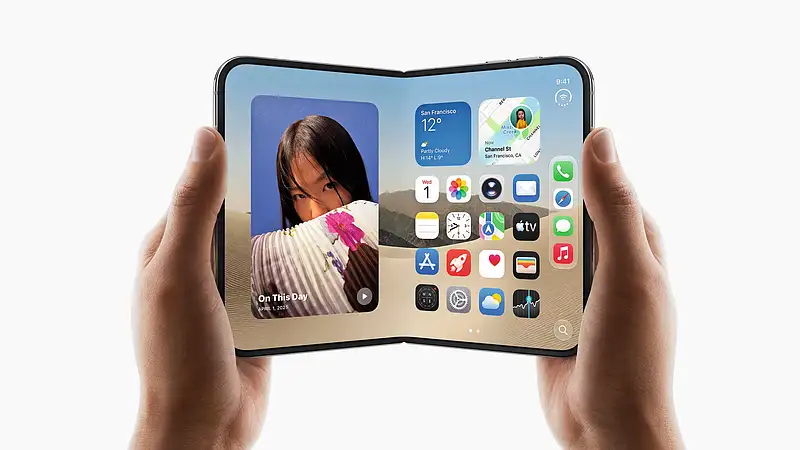
With a major redesign, Apple is betting that fresh hardware can keep users upgrading as attention turns to pricing, AI and services
- PUBLISHED: Tue 22 Sept 2026, 2:07 PM UPDATED: Sat 10 Oct 2026, 4:39 PM


The iPhone is getting one of its biggest shake-ups in years, as Apple looks to give consumers a new reason to upgrade.
The arrival of the iPhone Duo, Apple’s first foldable smartphone, marks a significant departure from the familiar design that has defined the iPhone for years. Alongside its latest Pro models, the new device gives Apple an entirely new iPhone format to put in front of consumers. Apple has described the Duo as the most transformational change to the iPhone since the original.
Recommended For You





The launch also comes at a difficult time for the global smartphone market. Shipments fell 7.4% year-on-year in the second quarter of 2026, according to IDC. Rising memory costs are making devices more expensive to produce, while consumers are holding on to their phones for longer before upgrading.
That creates an important test for Apple. The company has built one of the world’s most loyal consumer bases and has long been able to command premium prices for its devices. A radically different iPhone could give existing users a stronger reason to upgrade, but Apple is also entering a category that remains relatively small. Foldable phones are expected to account for less than 3% of global smartphone sales this year, even as Apple’s arrival is expected to bring fresh attention to the segment.
The iPhone itself remains a crucial part of the equation. Apple entered this launch cycle after reporting record June-quarter iPhone revenue, while its installed base of active devices reached another all-time high. Services also delivered record revenue during the quarter, highlighting how the company’s growth story is gradually becoming broader than hardware alone.
And that is what makes the latest iPhone cycle about more than whether consumers embrace a foldable phone. Apple must continue persuading people to upgrade while protecting margins in a more expensive hardware environment. At the same time, expectations are building around what the company can deliver in artificial intelligence and how much further its services business can grow.
A New Product Cycle Takes Shape
The Duo gives Apple a new presence in the foldable market, but its immediate importance may lie less in the volumes it generates and more in its potential impact on the wider iPhone business.
Francisco Jeronimo, Vice-President, Client Devices at IDC, believes the new model is important primarily because of what Apple’s entry means for the foldable market. “The Duo matters more for what it signals than for what it will sell,” he said. “It confirms that Apple now treats foldables as a permanent part of the premium market, and that alone legitimises the category.”

With a price of around $2,000 and supply expected to constrain availability in October, Jeronimo sees the Duo playing more of a “halo” role during this cycle rather than becoming an immediate volume driver. Instead, he believes Apple’s next phase of growth will depend more heavily on the mainstream iPhone 18 models arriving in spring and the strength of its existing installed base.
“The foldable is a statement of intent, and most people will admire it far more than they buy it,” he said. Even so, IDC forecasts Apple will ship more than 10 million units during the Duo’s first 12 months and become the market leader in foldable smartphones by the end of 2027.
Nagham Hassan, MENA Market Analyst at eToro, similarly separates the strategic importance of the launch from its immediate financial impact.
“This is the biggest change to the iPhone in a decade, but I would separate its strategic importance from its near-term financial impact,” Hassan said.
By entering foldables for the first time, Apple is opening up a new segment of the premium smartphone market and another potential source of revenue. Hassan noted that industry trackers expect Apple to quickly capture between a quarter and a third of the foldable market, potentially making it the second-largest player behind Samsung.
The size of the category, however, remains a limitation. Foldables currently account for only around 2% of global smartphone sales, meaning even a strong start is unlikely to make a significant difference to Apple’s overall revenue this year.
That could change as the market expands. Hassan said the foldable category is forecast to grow by 37% next year, putting Apple in the market as adoption begins to accelerate.
“The first real test will come on October 16, when pre-orders replace projections with actual demand data,” she added.
How Far Can Apple Push Pricing?
Higher prices have done little to weaken demand for the iPhone in previous cycles. But with people waiting longer between upgrades, rising costs could increasingly influence when they decide it is time for a new device.
Jeronimo does not see higher prices driving Apple users towards competing platforms. Instead, he believes the impact will be felt in longer replacement cycles.
“Apple’s loyalty is not in question, even at these prices. The real pressure shows up in how long people keep their phones,” he said. “Replacement cycles have been lengthening for years, and a $100 rise on the Pro alongside a $2,000 foldable pushes that further rather than sending anyone to Android.”
Apple has also built ways to keep customers within its ecosystem even when they do not buy a new phone, Jeronimo said, pointing to trade-in programmes, instalment financing and services.
“The pressure worth watching is the pace of upgrades across the base, which pricing at this level will only slow,” he added.
The Duo could prove to be a different case. Despite its significantly higher price, Jeronimo expects strong demand from Apple’s most premium customers, for whom he believes owning the device will be as much about status as the product itself.
Hassan also believes Apple’s pricing power has held up well in the past, with demand remaining resilient through previous increases. This cycle, however, could test that strength further.
“Apple has long operated at the premium end of the market, and its customers understand what they are paying for,” she said. “However, this cycle stretches that pricing power further than usual.”
Apple has raised the price of its Pro models by $100, while the Duo is priced between $1,999 and $3,199, making it the most expensive iPhone the company has sold. At the same time, competing foldables have been available at discounts, giving consumers another point of comparison as they weigh up the cost of upgrading.
With replacement cycles already becoming longer, Hassan believes higher prices will need to be matched by improvements that consumers consider meaningful.
“The coming months will show whether customers beyond Apple’s most loyal base see enough value to justify these prices,” Hassan said.
The Pressure on Margins
Rising component costs are adding another challenge to Apple’s latest product cycle. While the company has considerable pricing power, it is choosing to absorb at least some of those higher costs rather than passing them fully on to consumers.
Jeronimo sees the ongoing memory shortage as the biggest cost pressure facing Apple and the wider smartphone industry this cycle. He points to Apple’s pricing decisions as an indication of how the company is responding.
“Holding the Pro increase to $100 and absorbing margin to land the Duo at $2,000 tells you Apple chose to protect demand rather than pass the full component cost to buyers,” he said. “That is pricing power being used defensively.”
Apple’s scale in the premium smartphone market and the profits generated by its services business give it greater room to absorb those costs than many of its competitors, according to Jeronimo. But he believes the company’s approach also suggests there is a limit to how much more consumers can be expected to pay.
Although the memory shortage is putting pressure on Apple, Jeronimo sees an opportunity as well. By keeping price increases relatively contained, he believes the company could use the current environment to gain market share across its product lines.
Hassan also sees margins coming under pressure as Apple faces higher input costs. Memory prices have more than doubled since October 2025 amid strong demand from the AI industry, while the Duo itself brings additional manufacturing costs because of its two displays, complex hinge and extensive miniaturisation.
Apple still has more room than most companies to manage those pressures, she said, supported by its ability to command premium prices and generate strong revenue. Initiatives such as Apple Upgrade could also help spread the cost for consumers while creating recurring revenue for the company.
However, Hassan also points to Apple’s decision to raise its Pro models by $100, rather than the larger increases some forecasts had anticipated, as evidence that it is not passing the full burden on to customers.
“If memory prices remain elevated, the pressure will therefore fall on the company’s margins before being passed fully to customers,” she said.
Growth Beyond the iPhone
The latest iPhone cycle may provide a boost to Apple’s hardware business, but sustaining growth over the longer term will increasingly depend on what the company can build around the millions of devices already in use.
Jeronimo believes this is where attention should increasingly be focused as the iPhone becomes a mature, replacement-driven business.
“The iPhone is a mature, replacement driven business, and both the growth and the margin now sit in services and in the installed base Apple has spent two decades building,” he said. “The services engine keeps people inside the ecosystem and gives Apple a sustained, recurring revenue.”
Hassan also sees services, together with Apple’s developing AI strategy, as important to sustaining growth beyond the latest hardware cycle.
“The market has rewarded the hardware story, but services and AI, if it delivers will sustain growth beyond the launch cycle,” she said.
Apple’s approach to AI differs from some of its biggest technology rivals. Rather than investing as heavily in data centres and infrastructure, Hassan said the company is focusing on bringing AI into devices and services that consumers already use, with an emphasis on privacy and on-device processing.
That strategy could also feed back into the iPhone business. Hassan noted that the new Siri is limited to more recent iPhones, leaving more than 850 million existing devices unable to support it.
“If Siri proves useful, it could encourage upgrades, while heavier usage may drive customers towards iCloud+, converting hardware upgrades into monthly revenue,” she said.


As a passionate storyteller and content writer, Kushmita Bose loves weaving narratives that inform, inspire, and entertain. Whether she's unraveling tech revolutions, dissecting industry reports, or bringing a brand’s journey to life, Kushmita thrives on transforming ideas into captivating stories. When she’s not busy crafting content, you’ll probably find her daydreaming about her next travel adventure.